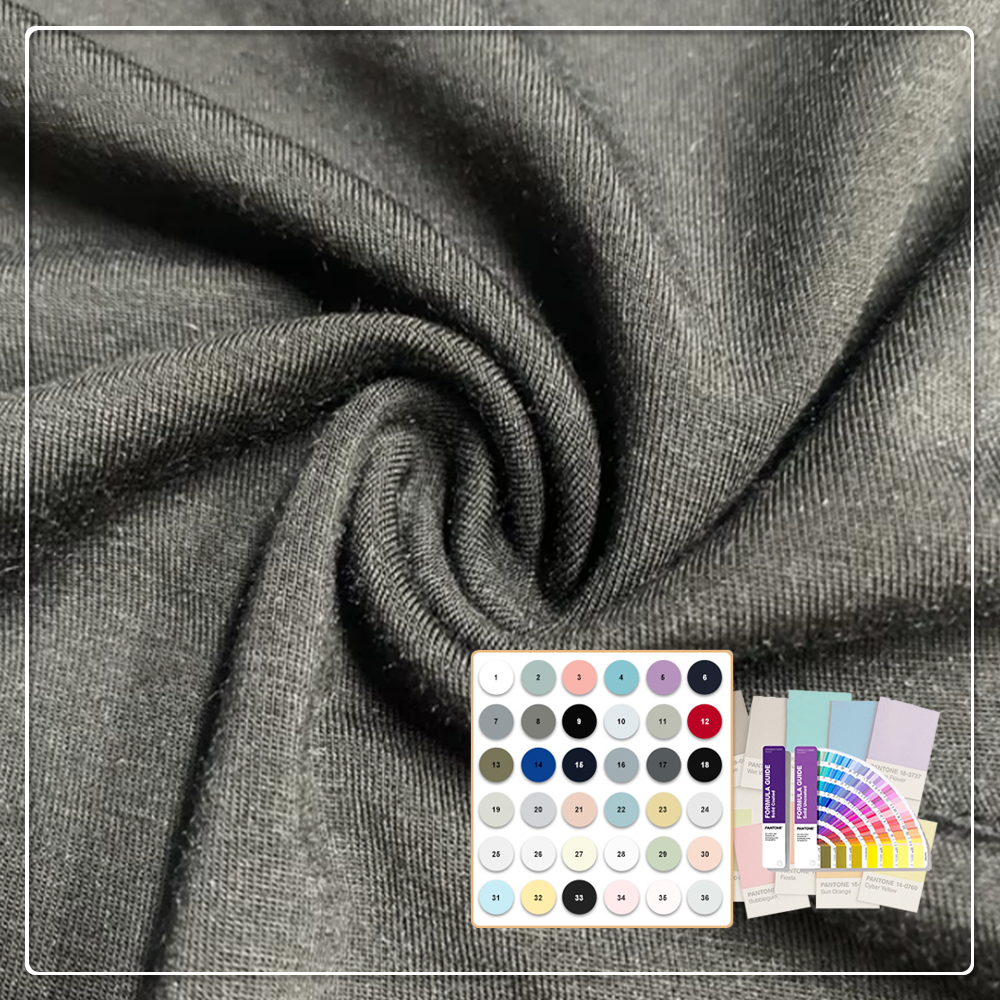
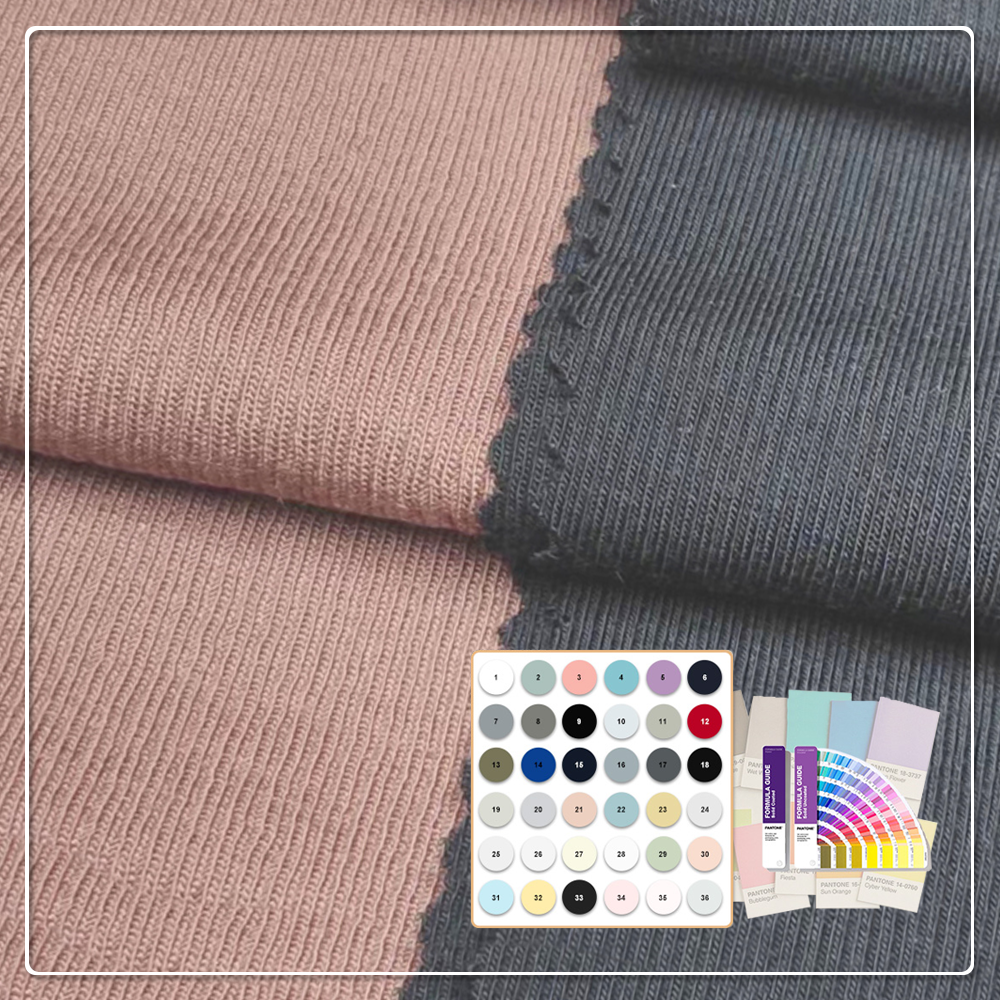
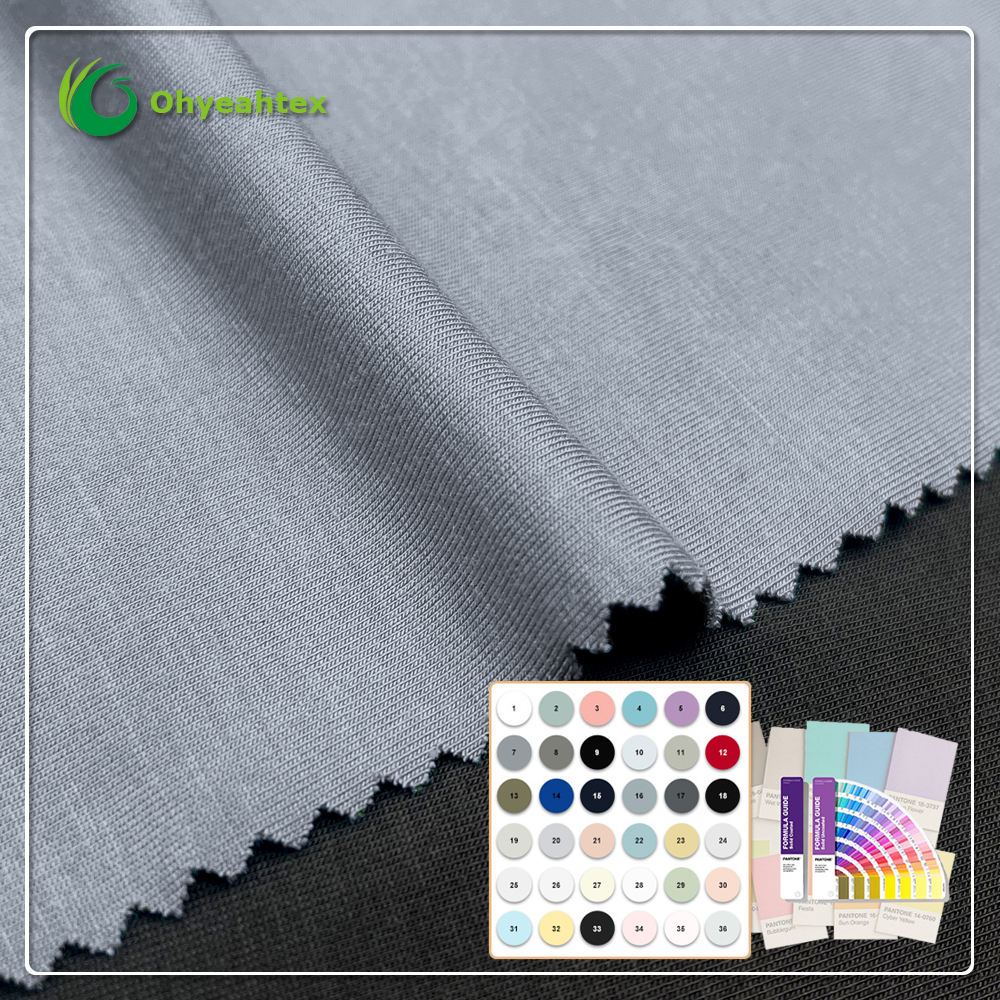
Key Specifications of Eco-Friendly Poly Stripe Fabric

Get a Free Quote

Our representative will contact you soon.
Email
Name
Mobile/WhatsApp
Company Name
Message
0/1000

Poly stripe fabric

Poly stripe fabric is an innovative textile solution that combines aesthetics with sustainability, making it a popular choice for various applications across different industries. For B2B buyers, understanding the key specifications, applications, and installation tips for poly stripe fabric is crucial for making informed purchasing decisions. This article will delve into the essential aspects of Ohyeah organic fabric wholesale, addressing common buyer concerns and offering practical insights from a manufacturing perspective.  

When sourcing poly stripe fabric, buyers should carefully evaluate its material composition, durability, texture, and overall quality to ensure it meets their specific requirements. Understanding the material composition of poly stripe fabric can help businesses determine its suitability for different products and manufacturing processes. Color fastness is another important consideration, as it affects how well the fabric retains its original colors after washing, exposure to sunlight, and regular use. High color fastness like Ohyeah recycled polyester fabric can help maintain the appearance and quality of finished products over time.   

Businesses should also explore eco-friendly options when purchasing poly stripe fabric to support more sustainable production practices. Depending on the intended application, eco-friendly options may include recycled fibers or materials produced through more resource-efficient processes. Comparing the material composition, color fastness, and available eco-friendly options can help purchasing managers select suitable poly stripe fabric for their projects. By evaluating these factors of Ohyeah recycled polyester, B2B buyers can make informed sourcing decisions and find poly stripe fabric that balances appearance, performance, durability, and sustainability.



Our Products

Buyeru2019s Guide

When sourcing poly stripe fabric, buyers should prepare by gathering specific information that will aid in their request for quotations (RFQ). Consider detailing the following aspects:

Material Composition: Specify whether you require a certain blend of bamboo, organic cotton, or recycled polyester.  

Design Specifications: Provide details on the stripe pattern, color choices, and desired dimensions.  

Quantity: Clearly state the required, considering minimum order quantities (MOQ) that suppliers may have.    

Application: Explain the intended use of the fabric, as this influences material selection and performance requirements.     

Performance Criteria: Indicate any performance needs such as color fastness, shrinkage, and durability standards.  

It's also beneficial to request samples before placing a larger order. This allows you to evaluate the fabric's texture, weight, and overall quality firsthand, ensuring it meets your expectations.  

Applications of Poly Stripe Fabric in Various Industries and Projects

Poly stripe fabric is versatile and finds applications across multiple sectors, including fashion, home textiles, and industrial uses. In the fashion industry, it is often employed for creating stylish garments such as dresses, shirts, and active wear, where the eco-friendly aspect appeals to environmentally conscious consumers.  

In home textiles, poly stripe fabric is used for curtains, upholstery, and decorative cushions, adding a modern flair while being sustainable. Its easy-care properties, combined with color fastness and low shrinkage, make it suitable for household items.  

Moreover, in industrial applications, poly stripe fabric can be utilized for uniforms or workwear, where durability and comfort are paramount. The fabric's ability to withstand regular washing and wear makes it a practical choice for such uses.  

Installation Tips for Poly Stripe Fabric in Commercial Settings

Installing poly stripe fabric in commercial settings requires careful planning to ensure optimal results. For applications like upholstery, it's essential to prepare the surface properly—cleaning and repairing any imperfections.   

When cutting the fabric, always allow for a little extra material to account for any shrinkage. Using a sharp rotary cutter or scissors can provide clean edges, which is crucial for aligning the stripes correctly.   

If the fabric is being used for curtains or drapes, consider the type of heading tape that will be used and whether the fabric will require lining for added weight and light control. For upholstery, ensure that the fabric is firmly attached and that all seams are secured to prevent fraying.  

Lastly, always conduct a thorough inspection of the completed installation to ensure that the fabric is free from wrinkles and that the pattern aligns correctly, which enhances the professional appearance of the finished product.

Common Problems with Poly Stripe Fabric and Effective Solutions

Like any product, poly stripe fabric can present challenges during production and application. One common issue is the potential for color inconsistencies, particularly when dyeing large batches. To mitigate this, buyers should ensure that color matching is conducted with samples before bulk production begins.   

Shrinkage can also be a concern; while reputable suppliers provide fabric with a shrinkage rate below 5%, testing a pre-wash sample can confirm this. If shrinkage occurs, it may affect the fit or appearance of the final product, so pre-wash testing is advisable.   

Another challenge is the fabric's handling characteristics. Buyers should be aware that lighter fabrics may slip during cutting or sewing, potentially ruined the striped pattern. Using weights or clamps during the cutting process can help maintain alignment and prevent movement.  

Lastly, quality control is paramount. Implementing a systematic inspection process during production can catch issues early on, such as defects in the fabric or incorrect color application, ensuring that the final product meets the required specifications before delivery.  

By understanding these specifications, applications, installation tips, and potential problems, buyers can make informed decisions when sourcing poly stripe fabric, leading to successful outcomes in their projects.

Key Specifications of Eco-Friendly Poly Stripe Fabric to Consider

When evaluating poly stripe fabric, several key specifications should be taken into account. First, the material composition is essential; eco-friendly options typically include blends of bamboo, organic cotton, and recycled polyester. These materials not only reduce environmental impact but also offer durability and comfort. 

Another critical specification is color fastness, which indicates the fabric's resistance to fading when exposed to light or washing. A color fastness rating of level 4-5 is desirable, ensuring that the fabric maintains its vibrancy over time. Additionally, the shrinkage rate should be below 5%, which is crucial for maintaining the integrity of the fabric after washing and during use. 

Weight and thickness are also important factors. Buyers should consider the intended application; lighter fabrics may be preferable for clothing, while heavier weights might suit upholstery or industrial applications. Finally, the width of the fabric roll can affect cutting and production processes, so it is vital to confirm this specification based on project requirements.

Our Blog Posts

Can you print on bamboo fabric

04

Feb

Can you print on bamboo fabric

I am aware that with the ongoing increase in popularity of sustainable fashion, and environmentally-friendly materials, bamboo fabric has become one of the newest favorites due to its unrivaled softness, breathability, and environmental friendly natu...
View More
How Tencel Lyocell Supports Moisture Control in Textile Applications

29

May

How Tencel Lyocell Supports Moisture Control in Textile Applications

Moisture management is the most important performance property for textiles today. Sweaty, clingy textiles will leave the wearer cold, irritated, or susceptible to skin ailments. The wearers of moisture management fabrics will remain dry and com...
View More
The Natural Softness Advantage of Tencel Lyocell in Knit Fabrics

29

May

The Natural Softness Advantage of Tencel Lyocell in Knit Fabrics

Consumers look for softness in knitwear above all else. Softness builds trust,encourages comfort,and leaves a positive lasting impression. When compared to all the other sustainable fibers available on the market today,none will offer the same amount...
View More
Bio-Based Fabric: The Complete Buyer's Guide

12

Sep

Bio-Based Fabric: The Complete Buyer's Guide

A practical sourcing manual for brands, importers, and product developers Reference manufacturer example: Shaoxing City Ohyeah Textile Co., Ltd., eco-friendly fabric specialist (bamboo, organic cotton, rayon, Lenzing™ Modal, TENCEL™ Lyoc...
View More

Get a Free Quote

Our representative will contact you soon.
Email
Name
Mobile/WhatsApp
Company Name
Message
0/1000

Get a Free Quote

Our representative will contact you soon.
Email
Name
Mobile/WhatsApp
Company Name
Message
0/1000