Evaluating Quality in Eco-Friendly Knitted Fabrics

Get a Free Quote

Our representative will contact you soon.
Email
Name
Mobile/WhatsApp
Company Name
Message
0/1000

Environmentally friendly fabric

Environmentally friendly fabric is becoming a key consideration for businesses looking to enhance their sustainability efforts. As global awareness of environmental issues grows, B2B buyers, including purchasing managers and product designers, are increasingly prioritizing eco-friendly textiles such as those made from bamboo, organic cotton, and recycled polyester. This article aims to provide practical insights into sourcing high-quality eco-friendly knitted fabrics, ensuring that buyers can make informed decisions based on material specifications, potential challenges, and best practices for bulk orders.
Our Products

Specifications to Look for in Eco-Friendly Fabric Purchases

Specific specifications are crucial when selecting environmentally friendly fabrics. Buyers should consider the following: 

Material Composition: Fabrics made from organic cotton, bamboo, or recycled polyester each have unique properties. Organic cotton is breathable and soft, while bamboo is naturally antibacterial and moisture-wicking. Recycled polyester offers durability and is a sustainable option for performance wear. 

Weight and Thickness: The weight of the eco-friendly textiles affects its suitability for various applications. Lighter fabrics may be ideal for summer apparel, while heavier weights are better suited for outerwear or winter clothing. 

Finishing Treatments: Eco-friendly fabrics can be treated with various finishes to enhance performance. Buyers should inquire about treatments like water repellency or flame resistance, especially for specific applications such as sportswear or work uniforms. 

Production Processes: Understanding the manufacturing processes used can reveal potential environmental impacts. For example, inquire whether the eco-friendly textiles is dyed with eco-friendly dyes and whether water and energy consumption during production are minimized.
Common Problems When Sourcing Sustainable Fabrics and Solutions

Sourcing sustainable fabrics can pose several challenges. One common issue is inconsistent quality among suppliers, which can lead to variations in fabric performance and appearance. To mitigate this, buyers should establish clear quality control processes and request samples from multiple suppliers to compare. 

Another potential problem is the availability of specific eco-friendly materials. Bamboo and organic cotton, while popular, can experience supply chain disruptions due to agricultural factors. Buyers should maintain open communication with suppliers about lead times and stock levels to avoid production delays. 

Lastly, the higher cost of eco-friendly textiles can deter some buyers. However, emphasizing the long-term benefits—such as durability and reduced environmental impact—can justify the initial investment. Additionally, exploring bulk purchasing options from manufacturers like Shaoxing City Ohyeah Textile Co., Ltd. may help offset costs through economies of scale.

Bulk Order Considerations for Environmentally Friendly Textiles

When placing bulk orders for environmentally friendly textiles, several key considerations come into play. First, it's essential to confirm the minimum order quantity (MOQ) and whether the supplier can accommodate customizations. Understanding the MOQ will help buyers plan their inventory and production schedules effectively. 

Next, buyers should discuss lead times and shipping logistics. Eco-friendly fabrics may have longer lead times due to their specialized production processes. It's advisable to discuss delivery expectations upfront to ensure alignment with production plans. 

Quality assurance is another critical aspect of bulk orders. Buyers should specify their quality inspection protocol, including the acceptance criteria for eco-friendly textiles samples. Establishing a clear process for quality checks can prevent issues once the bulk order is received. 

Finally, consider packaging and storage requirements for cotton dog print fabric. Proper packaging can prevent damage during transport, and understanding storage conditions will help maintain the eco-friendly textiles integrity before use.

Technical Knowledge Required for Eco-Friendly Fabric Installation

Installing Ohyeah eco-friendly fabrics can present unique challenges that require specific technical knowledge. For instance, the choice of sewing techniques and thread types can affect the performance and durability of the final product. Using organic cotton or polyester threads that match the fabric's properties is essential for maintaining seam integrity. 

Additionally, buyers should be aware of the recommended washing and care instructions for eco-friendly fabrics. Fabrics like organic cotton and bamboo may require gentler washing cycles to preserve their qualities, while recycled polyester might be more forgiving with care. 

It's also beneficial to understand the fabric's behavior in various applications. For example, a fabric suited for activewear may need additional stretch or moisture-wicking properties, which can influence the design and construction of the final product. 

Lastly, buyers should confirm that the installation processes align with the intended use of the fabric. For instance, upholstery materials may require different handling techniques compared to garment fabrics, ensuring that the fabric performs optimally in its application. 

In summary, sourcing eco friendly fabric involves a thorough understanding of product specifications, potential pitfalls, and best practices for bulk orders and installations. By considering these factors, B2B buyers can make informed decisions that align with their sustainability goals while ensuring high-quality outcomes for their projects.

How to Evaluate the Quality of Eco-Friendly Knitted Fabrics

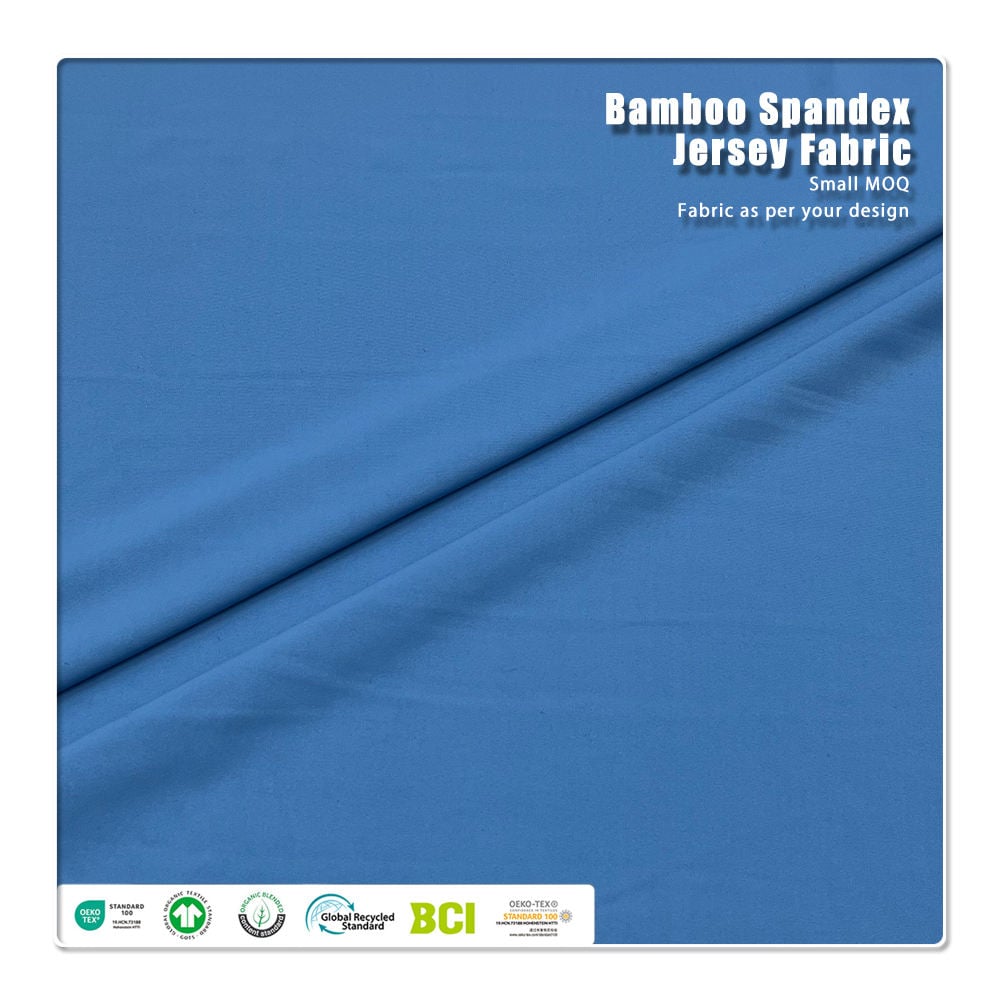
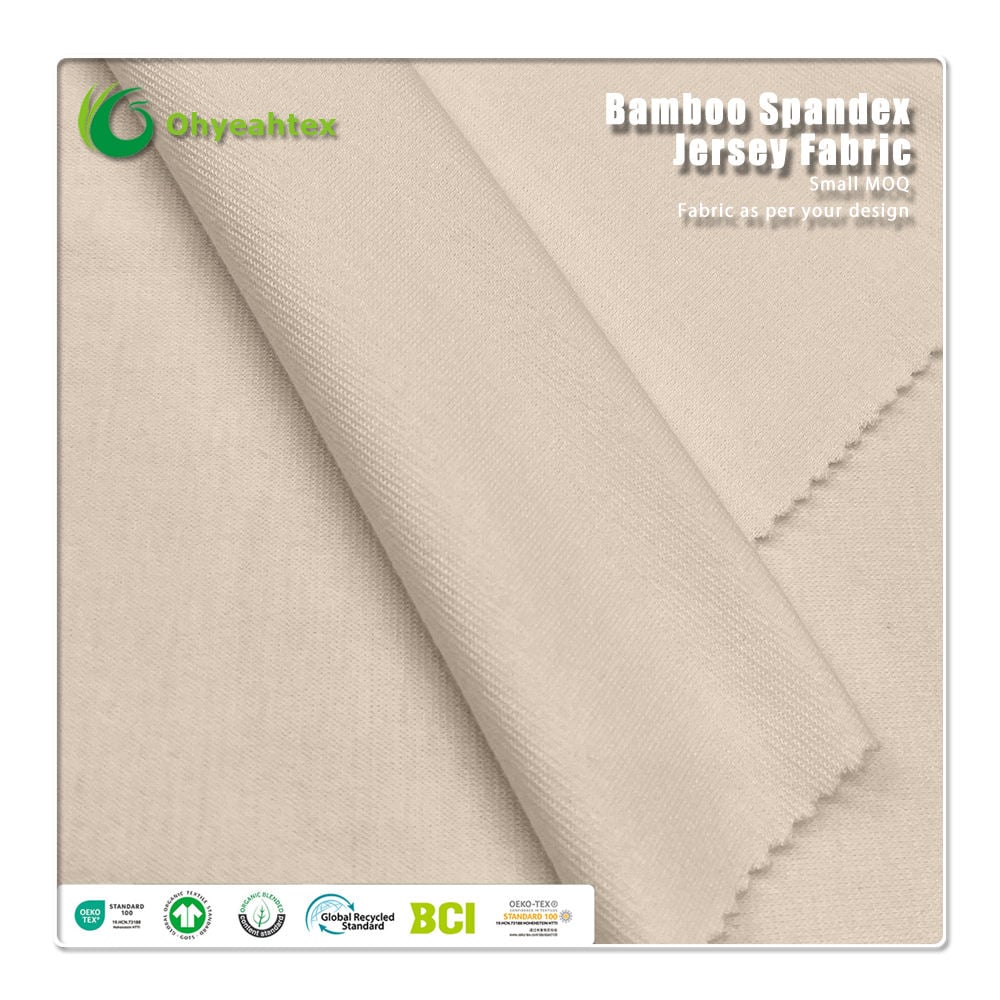
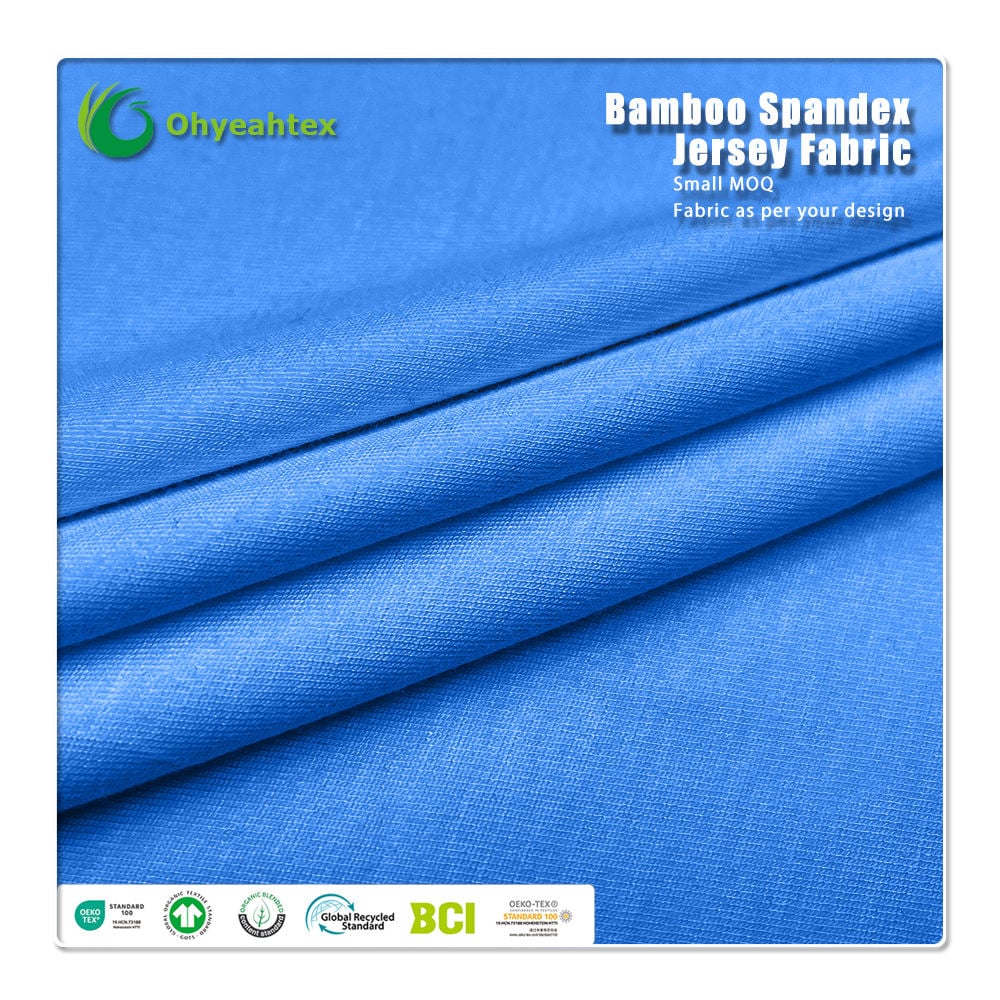
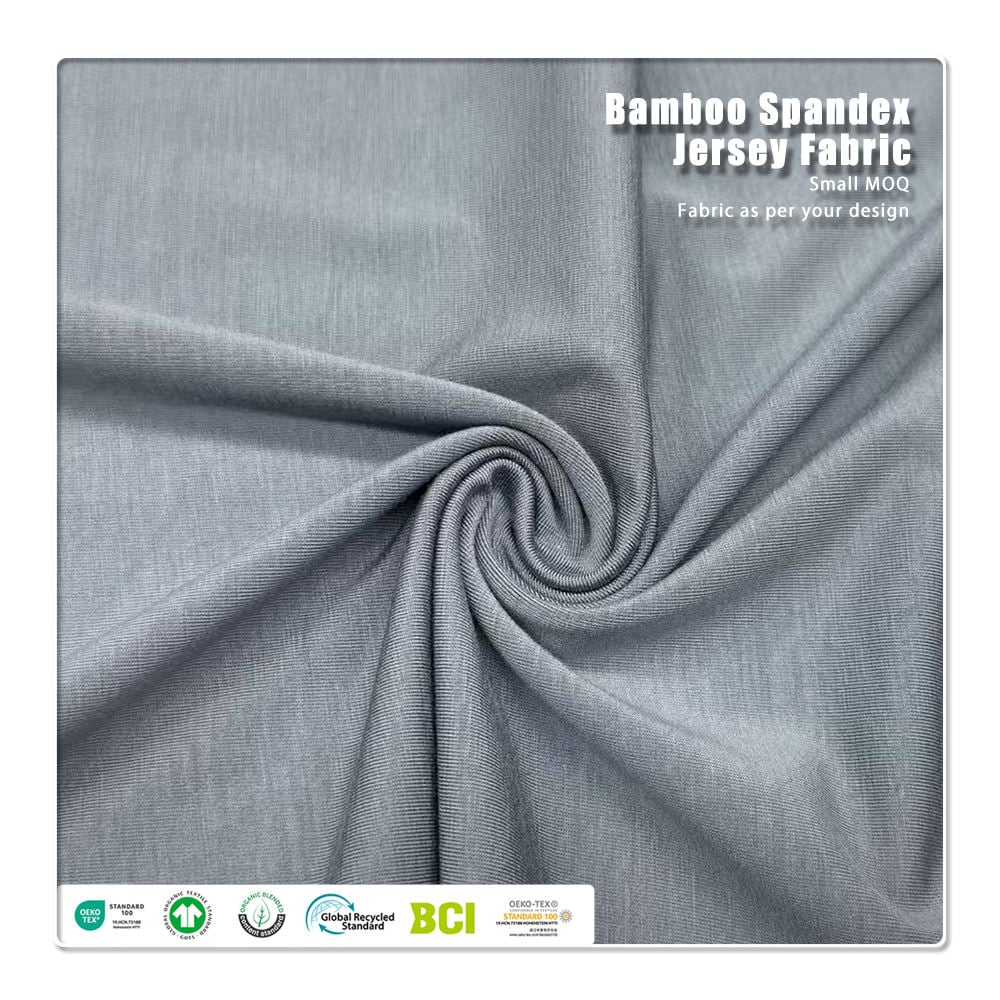
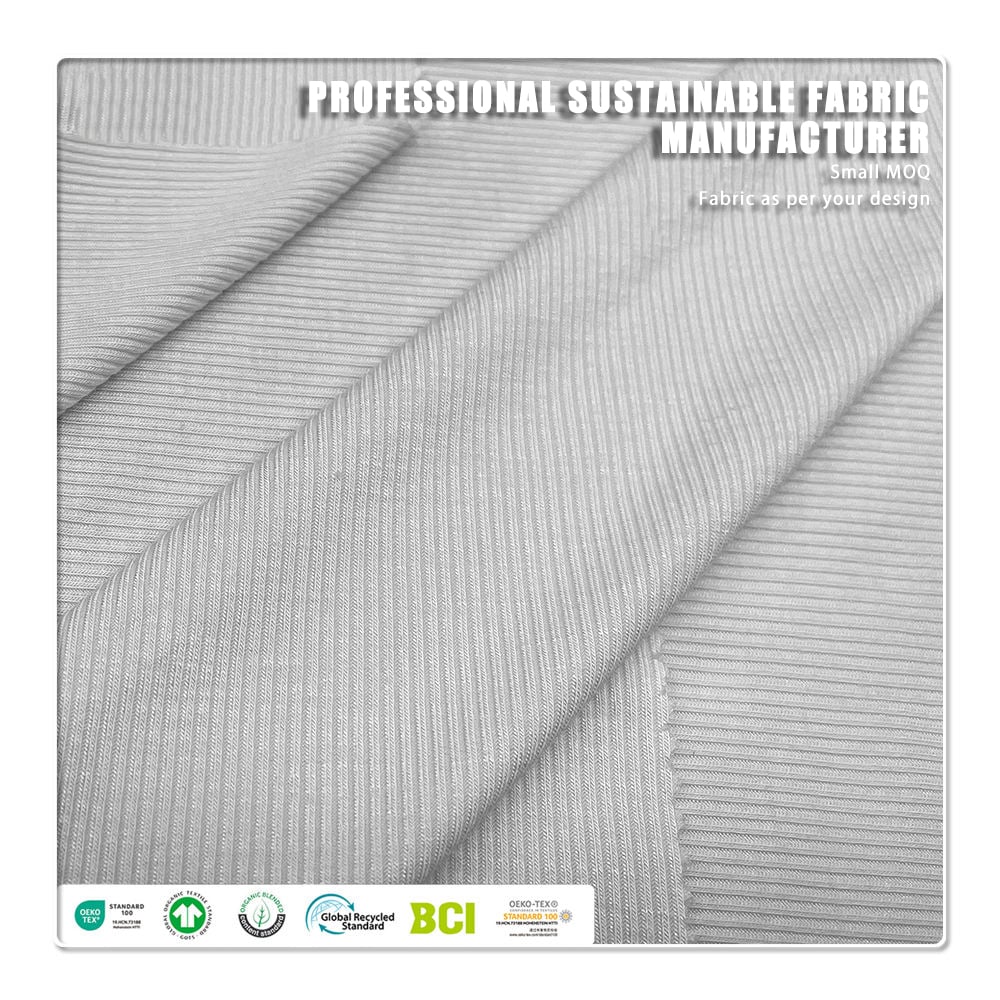
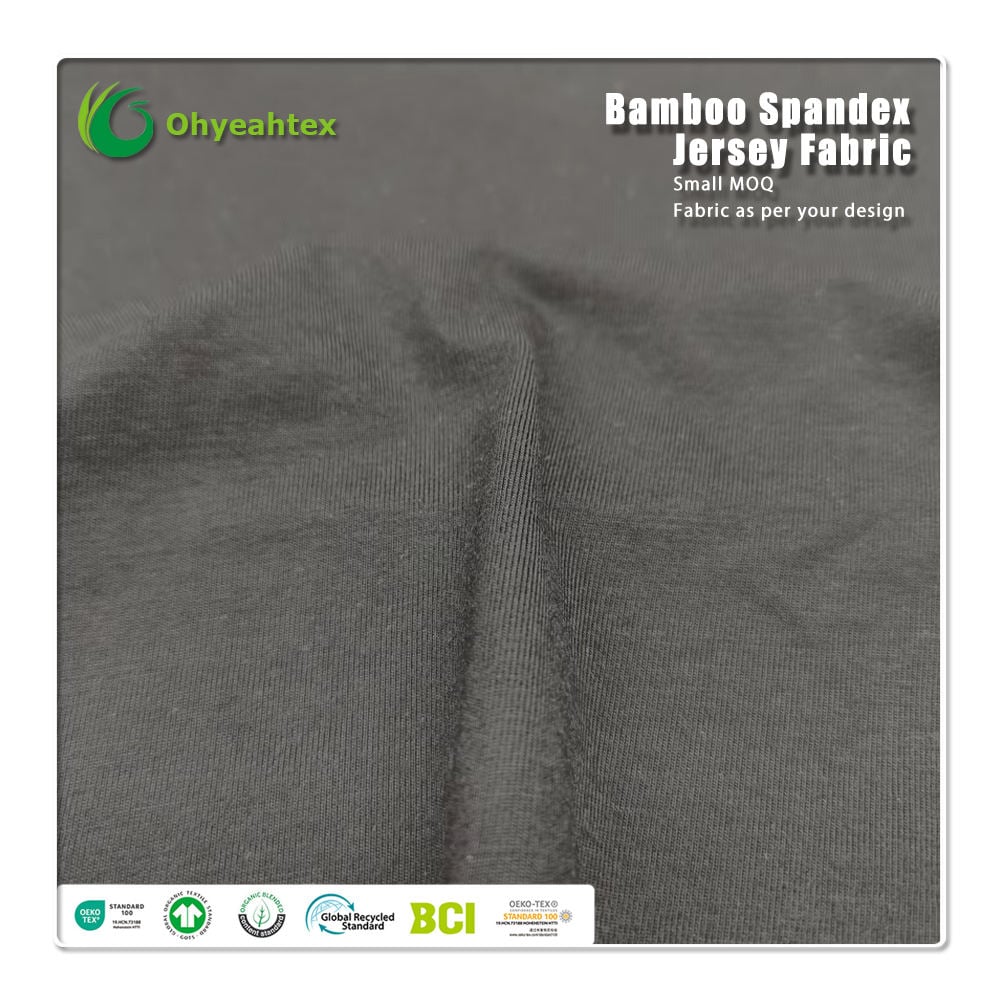
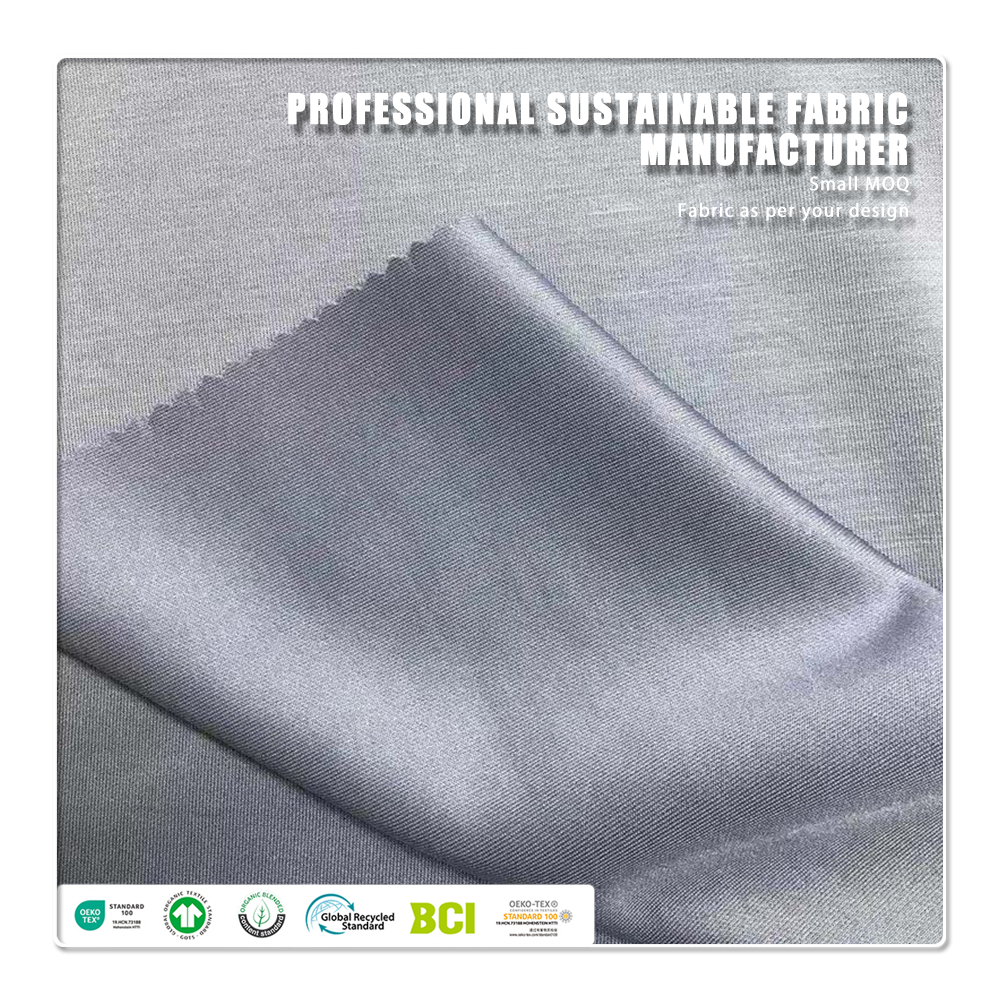
When assessing the quality of Ohyeah environmentally friendly fabric, several critical factors come into play. First, it is essential to verify the certifications of the fabric, such as OEKO-TEX, GOTS (Global Organic Textile Standard), OCS (Organic Content Standard), and GRS (Global Recycled Standard). These certifications ensure that the eco-friendly textiles meet strict environmental and social criteria throughout the supply chain. 

Next, buyers should examine the eco-friendly textiles technical specifications, including color fastness and shrinkage rates. A color fastness rating of level 4-5 indicates that the organic fabrics for clothing will maintain its color through multiple washes, ensuring longevity and aesthetic appeal. Additionally, a shrinkage rate below 5% is crucial, particularly for garments and home eco-friendly textiles, to maintain the intended fit and dimensions after washing. 

Lastly, conducting physical inspections or requesting samples before making large orders can help buyers assess the fabric's texture, durability, and overall feel. This firsthand evaluation can reveal discrepancies that may not be apparent in product descriptions or data sheets.

Our Blog Posts

The Science of Bamboo Fabric: Manufacturing, History, and Eco-Impact

14

Jan

The Science of Bamboo Fabric: Manufacturing, History, and Eco-Impact

Eco-Science Briefing Often hailed as the "Queen of Fibers," bamboo fabric merges 1,700 years of Chinese heritage with modern Closed-loop Systems. Known for its "Bamboo Kun" antibacterial agent and a micro-porous structure that absorbs 1.5x more mois...
View More
The Role of Tencel Lyocell in Creating Lightweight Knit Fabrics

29

May

The Role of Tencel Lyocell in Creating Lightweight Knit Fabrics

Lightweight knits are becoming an essential part of any modern wardrobe,and for good reason:not only are they comfortable and breathable,but they also allow for effortless layering. However,to create a light,airy knit without sacrificing integrity,a ...
View More
Why Tencel Lyocell Fabric Supports High-End Apparel Production

29

May

Why Tencel Lyocell Fabric Supports High-End Apparel Production

High-end garments require a special quality that goes beyond price. They offer exquisite hand-feel,flawless drape,consistent quality,and a story that appeals to sophisticated consumers. When a manufacturer or brand intends to succeed in the high-end ...
View More

Get a Free Quote

Our representative will contact you soon.
Email
Name
Mobile/WhatsApp
Company Name
Message
0/1000

Get a Free Quote

Our representative will contact you soon.
Email
Name
Mobile/WhatsApp
Company Name
Message
0/1000