 EN
Modal shirt material has gained popularity in the textile industry for its exceptional softness, breathability, and eco-friendliness. As a B2B buyer, understanding the specifications and applications of modal fabric is crucial for making informed decisions. This article will delve into the key specifications of modal shirt material, provide guidance on selecting the right type for your project, compare it with other fabric options, and discuss quality control measures and installation guidance to ensure optimal results.
How to Choose the Right Modal Shirt Material for Your Projec
Selecting the appropriate modal shirt material involves several factors that cater to your specific project requirements:
Intended Use: Consider the end-use of the shirt. Is it for casual wear, athletic purposes, or formal occasions? Each application may require different fabric characteristics, such as breathability, stretch, or weight.
Fiber Blends: Depending on the desired traits, you might choose 100% modal for a luxurious feel or a blend with Tencel Modal for added softness. A blend with recycled polyester can also enhance durability while promoting sustainability.
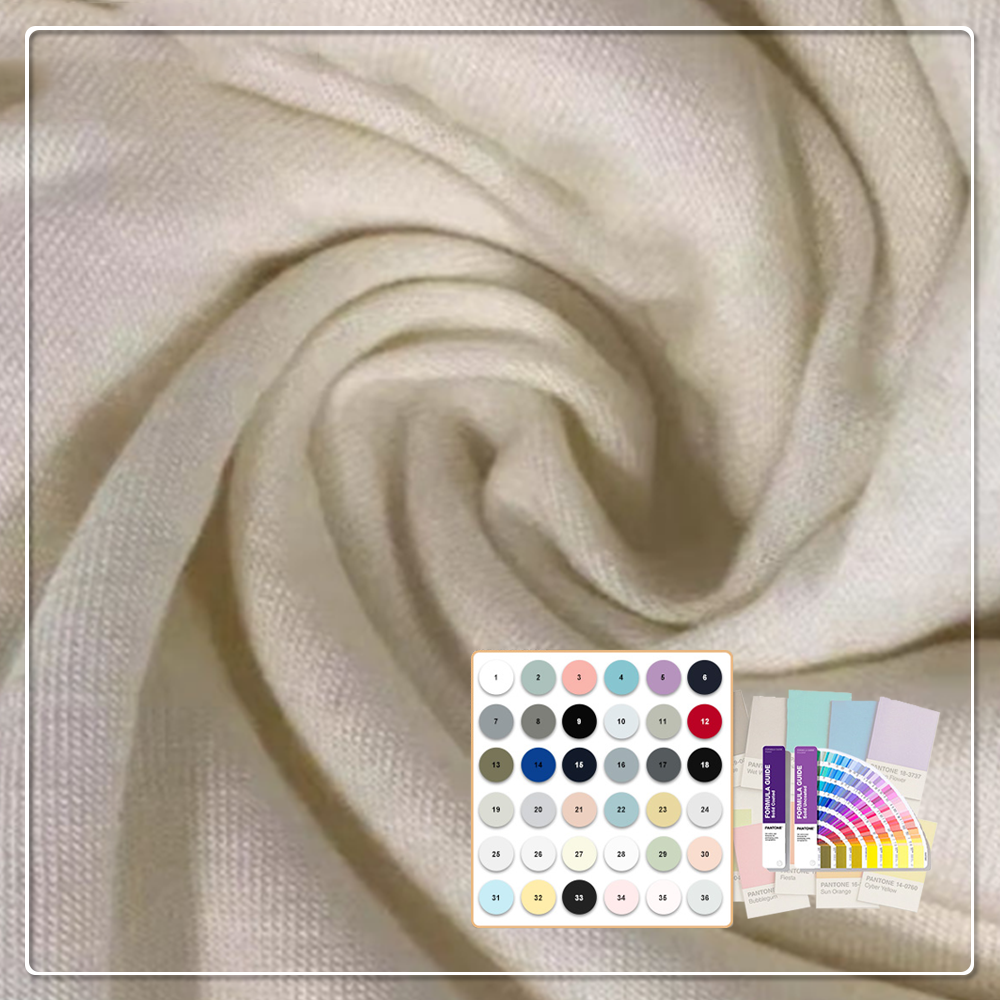
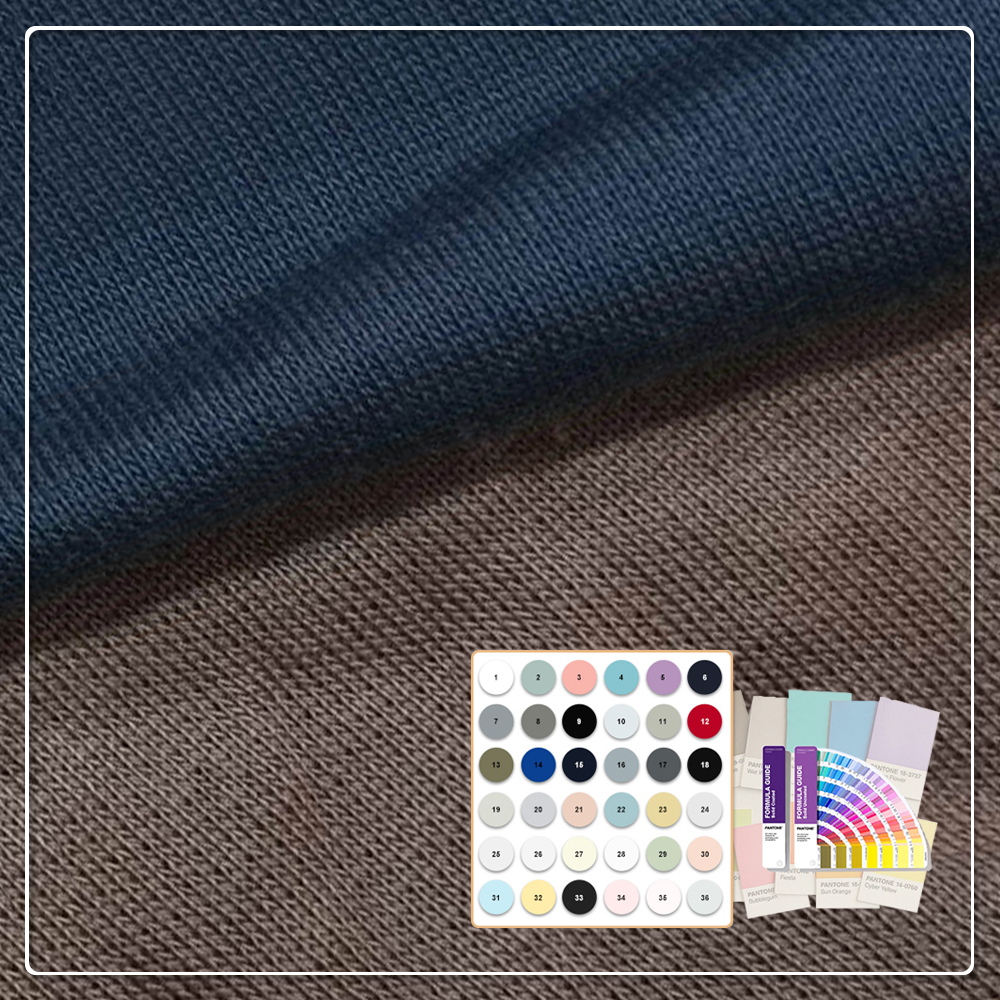
Color and Print Options: Modal fabric takes dye exceptionally well, resulting in rich and vibrant colors. Ensure the color fastness meets your expectations for the garment's longevity.
Cost Considerations: Modal generally sits at a mid-range price point, so factor in your budget when selecting the material. Customizations or complex blends may influence pricing, so always inquire about costs in advance.
Sample Approval: Before committing to a bulk order, request samples to assess the material's feel, weight, and performance under typical usage conditions. This allows you to make any necessary adjustments before full production.
By carefully considering these factors, you can choose modal shirt material that aligns with your project goals and customer expectations.