EN
Organic materials for clothing are increasingly sought after by businesses looking to align with sustainability goals and consumer preferences. As the textile industry shifts towards eco-friendly practices, understanding the nuances of organic materials is essential for wholesale buyers, purchasing managers, and product managers. This article will delve into key factors to consider when sourcing organic textiles, evaluating quality indicators, discussing cost implications, understanding handling and care requirements, and addressing common issues associated with organic and eco-friendly fabrics
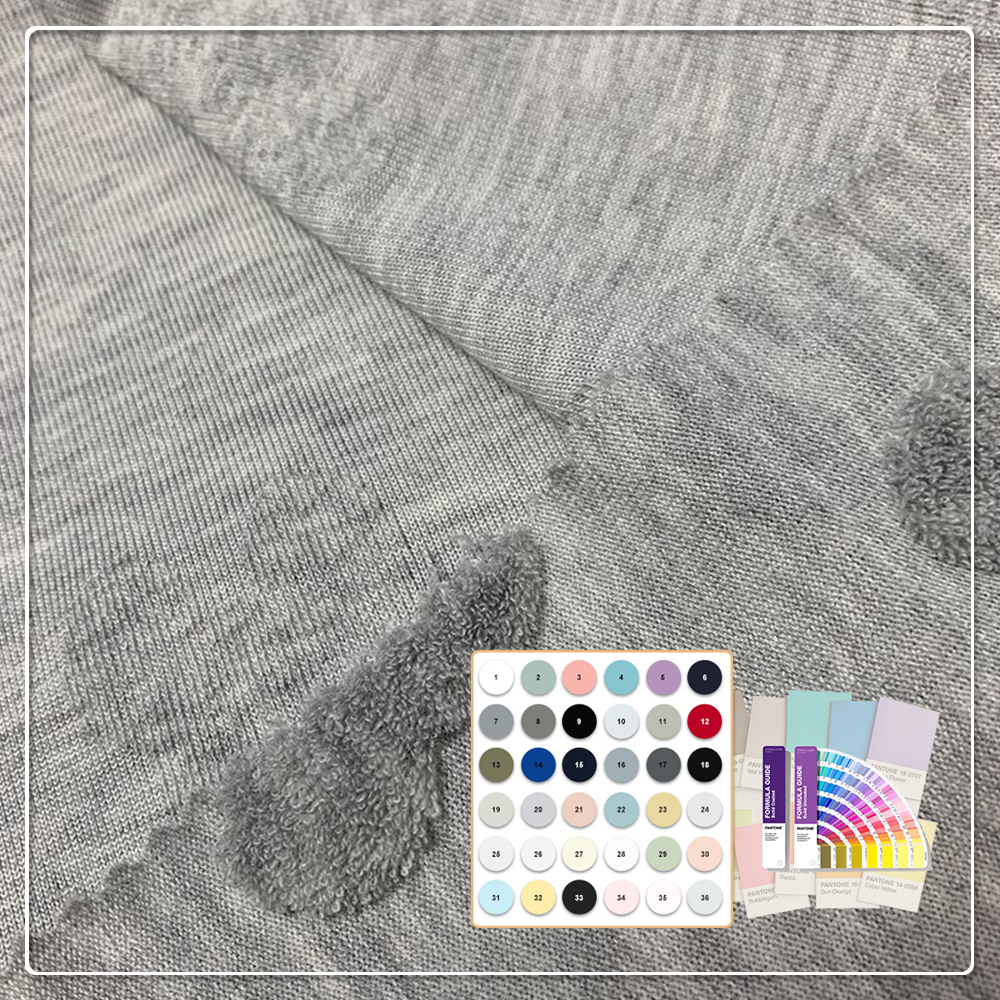
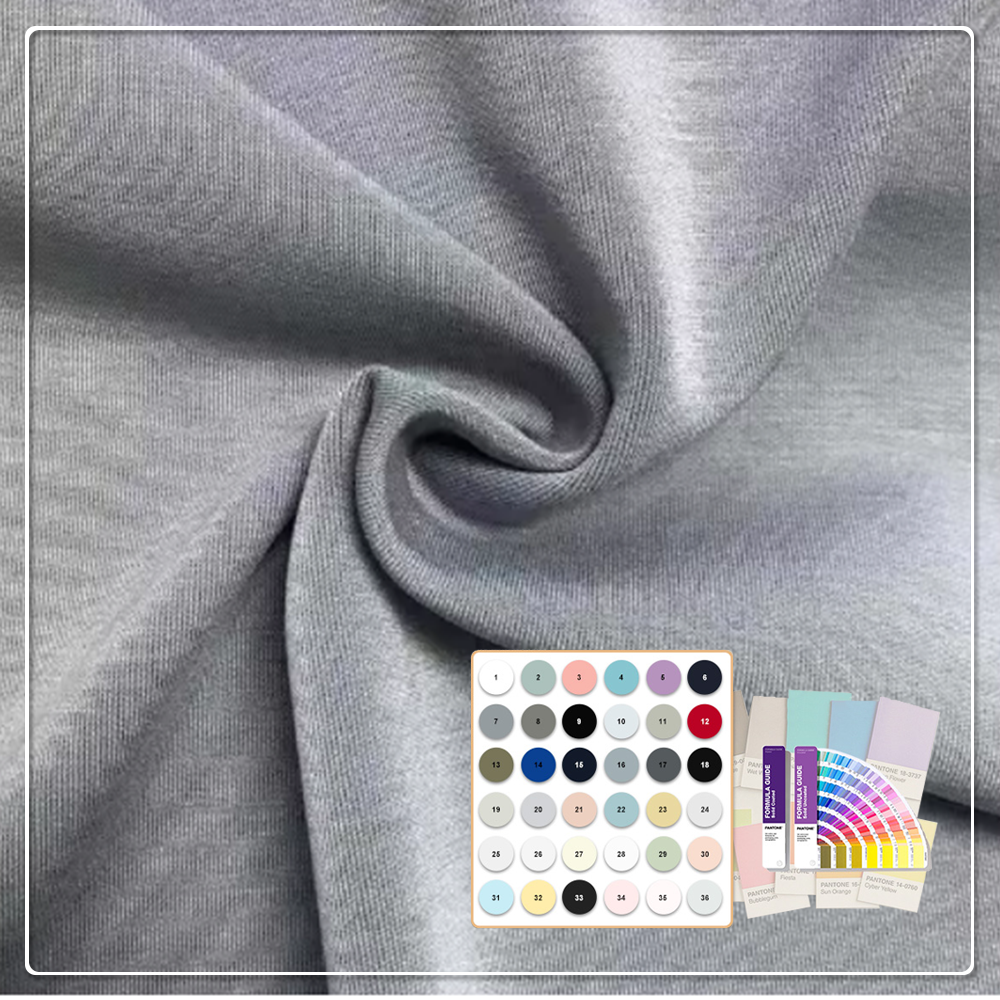
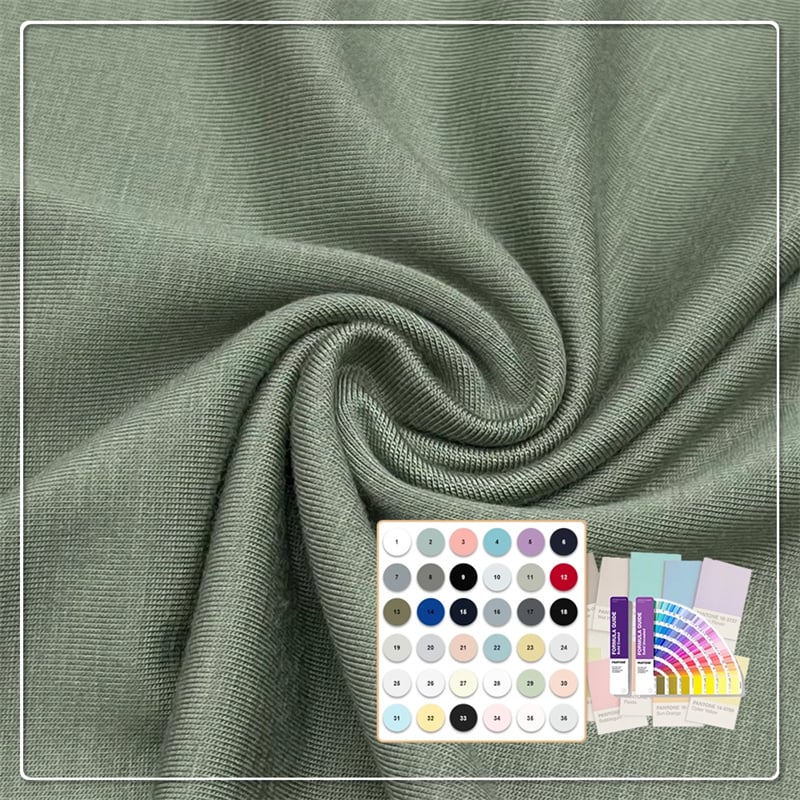
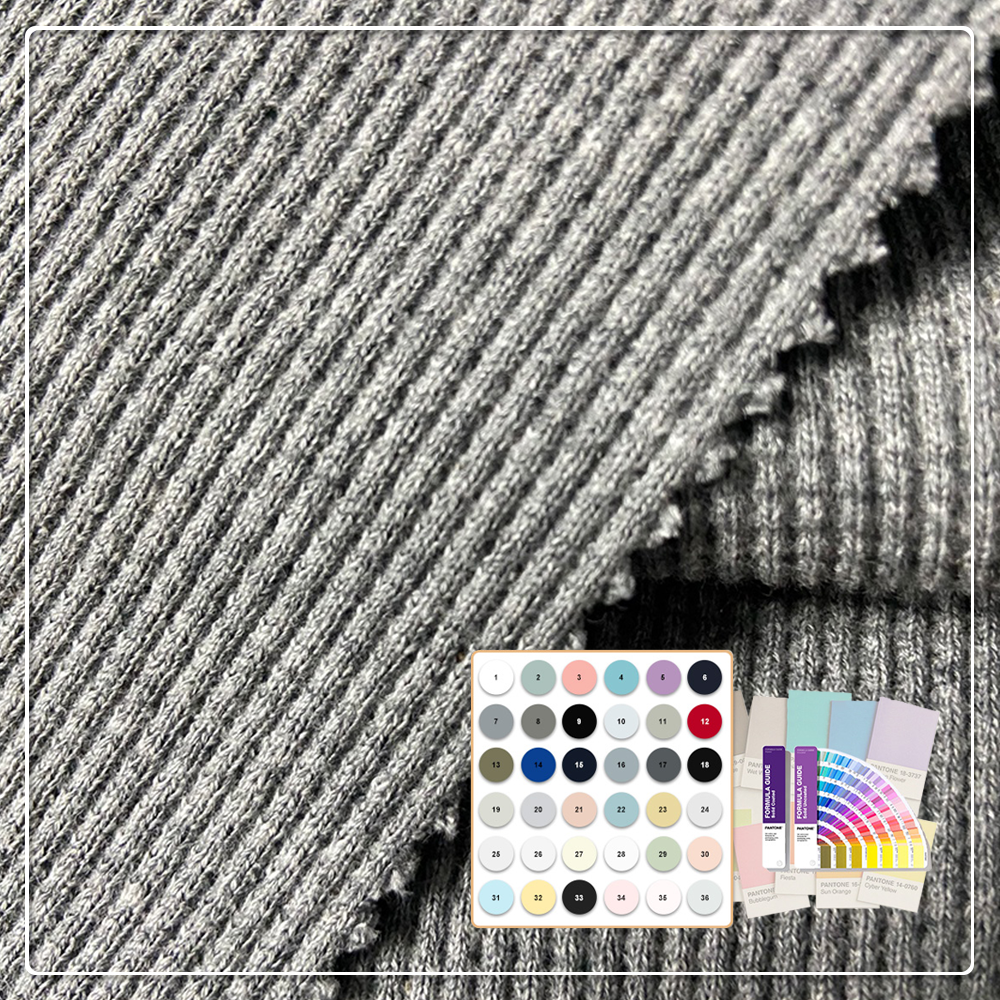
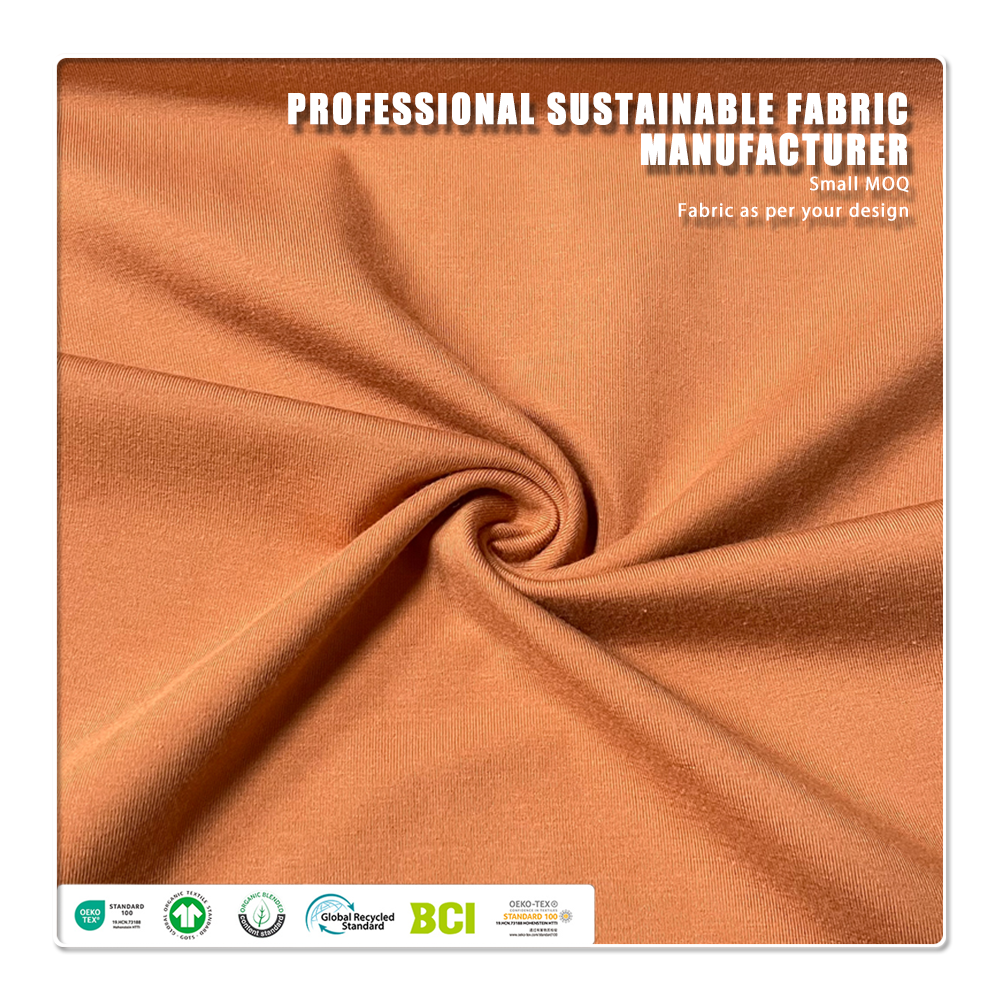
Ohyeah provides organic fabrics for clothing and textile solutions for businesses seeking different fabric and apparel options. When evaluating organic materials for clothing from Ohyeah, B2B buyers can consider factors such as fiber type, organic certification, fabric composition, GSM, weave or knit structure, softness, comfort, durability, color fastness, shrinkage, chemical processing, dyeing methods, environmental requirements, customization options, production capacity, quality control, minimum order quantities, packaging, lead times, and supplier support to determine whether the materials meet specific apparel, sustainability, branding, and wholesale requirements.