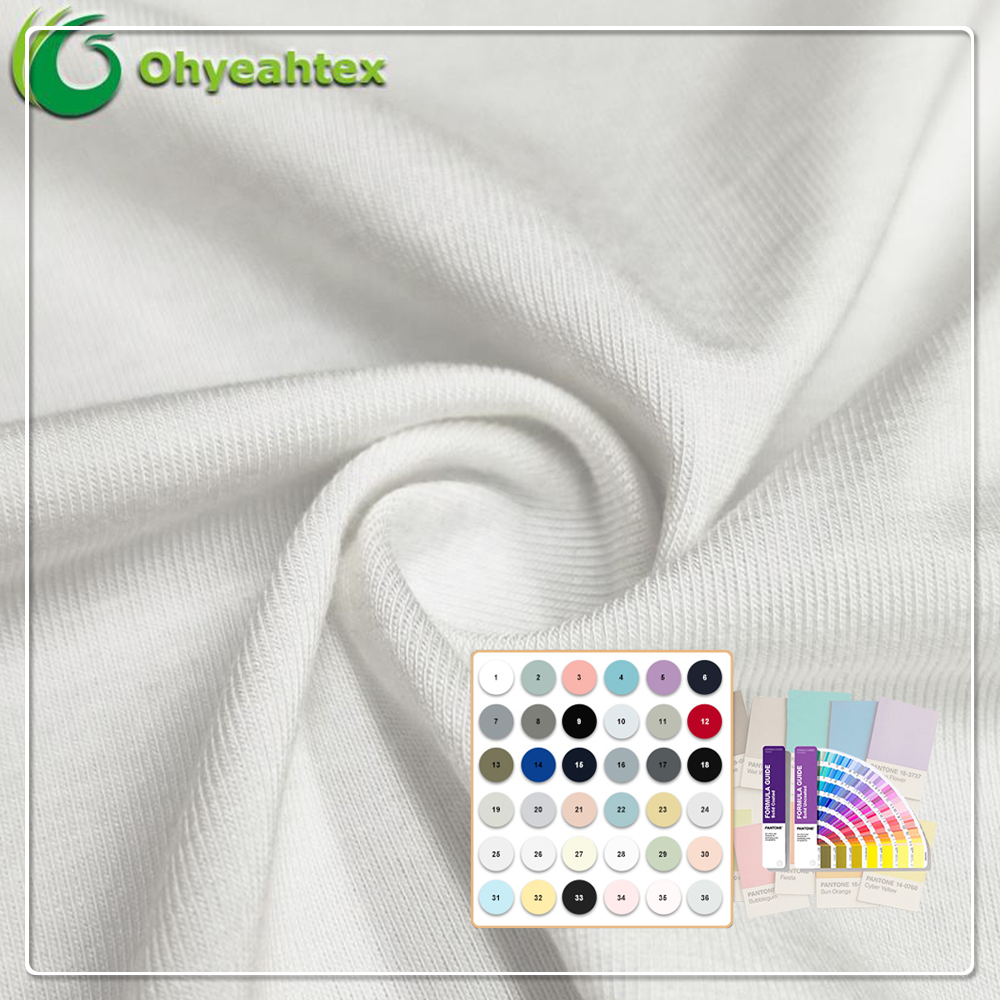
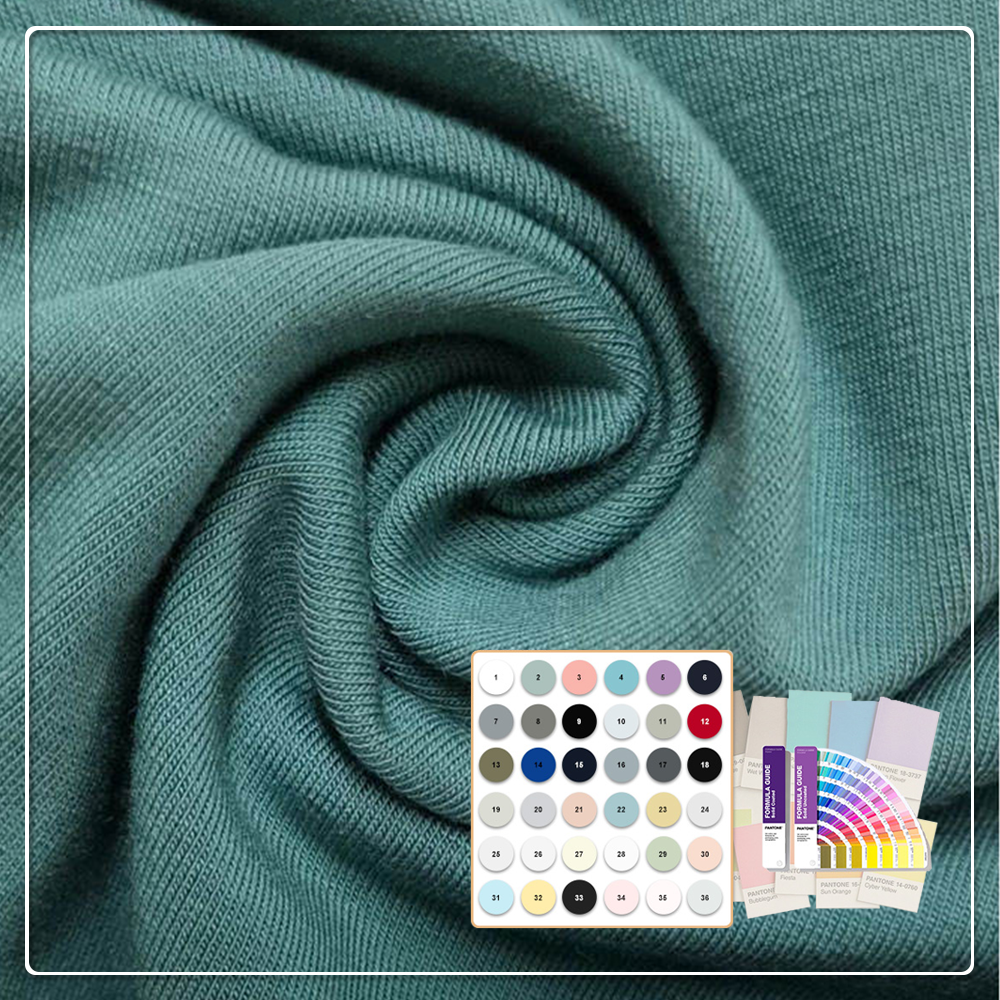
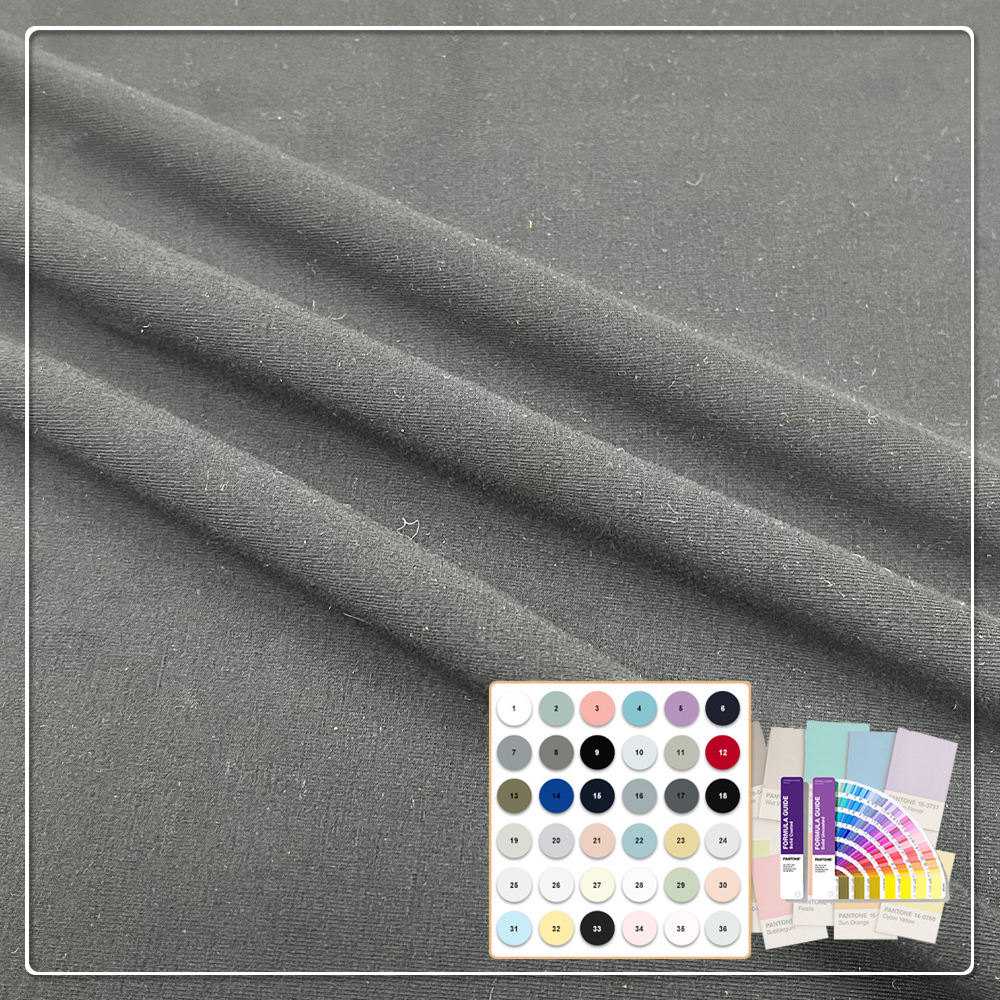
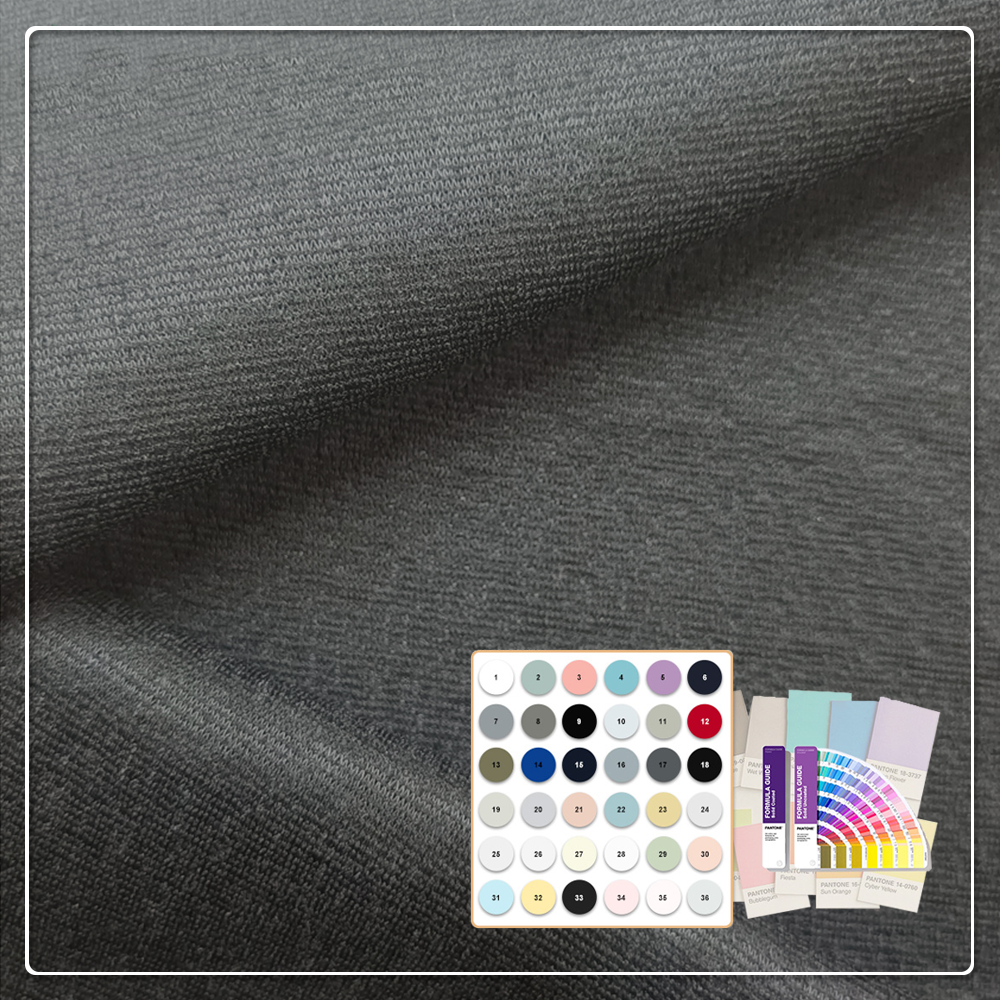
Choosing Quality Recycled Spandex for Your Projects

Get a Free Quote

Our representative will contact you soon.
Email
Name
Mobile/WhatsApp
Company Name
Message
0/1000

Recycle spandex

Recycled spandex is an innovative material made from post-consumer waste, offering a sustainable alternative for various applications in the textile industry. As B2B buyers, such as purchasing managers, distributors, and product designers, consider integrating recycled spandex into their projects, they often have concerns about material quality, sourcing, application suitability, and overall cost. This article will guide you through selecting high-quality recycled spandex, understanding cost factors, installation guidance, product comparisons, and troubleshooting common issues, enabling you to make informed purchasing decisions.
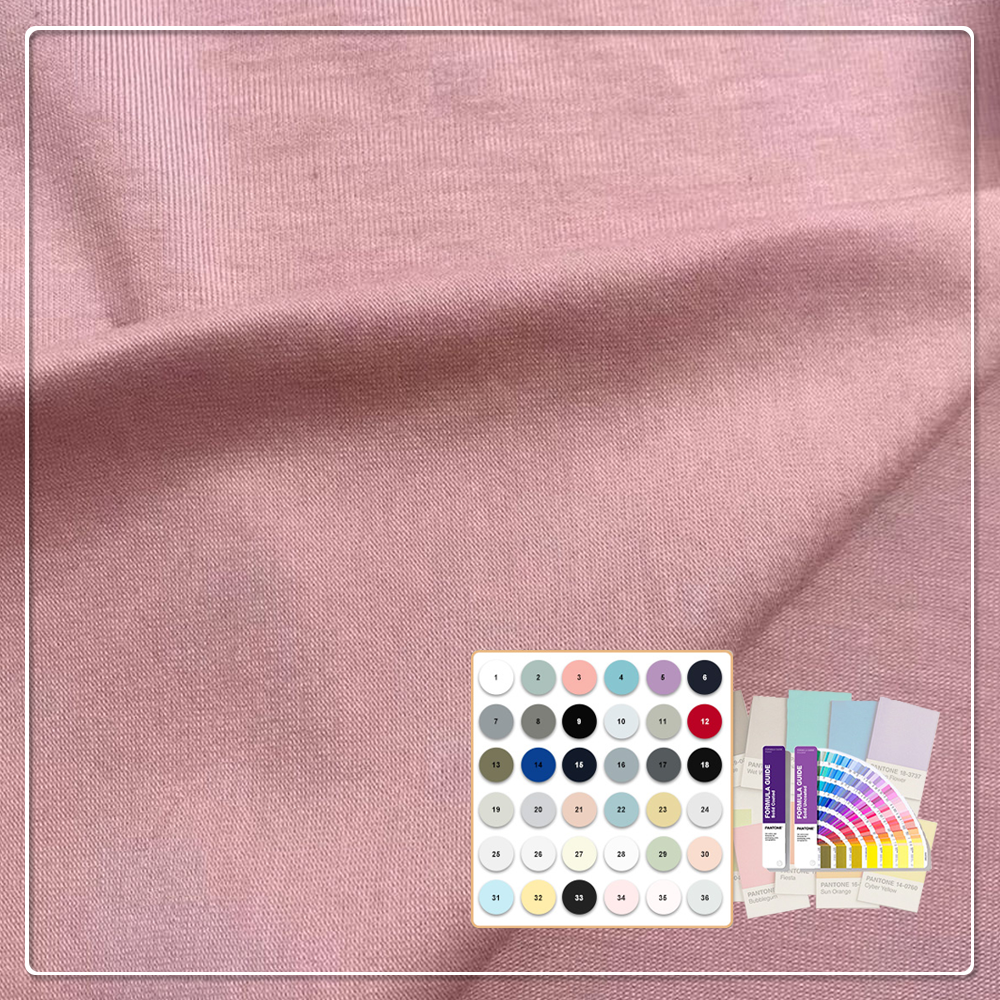
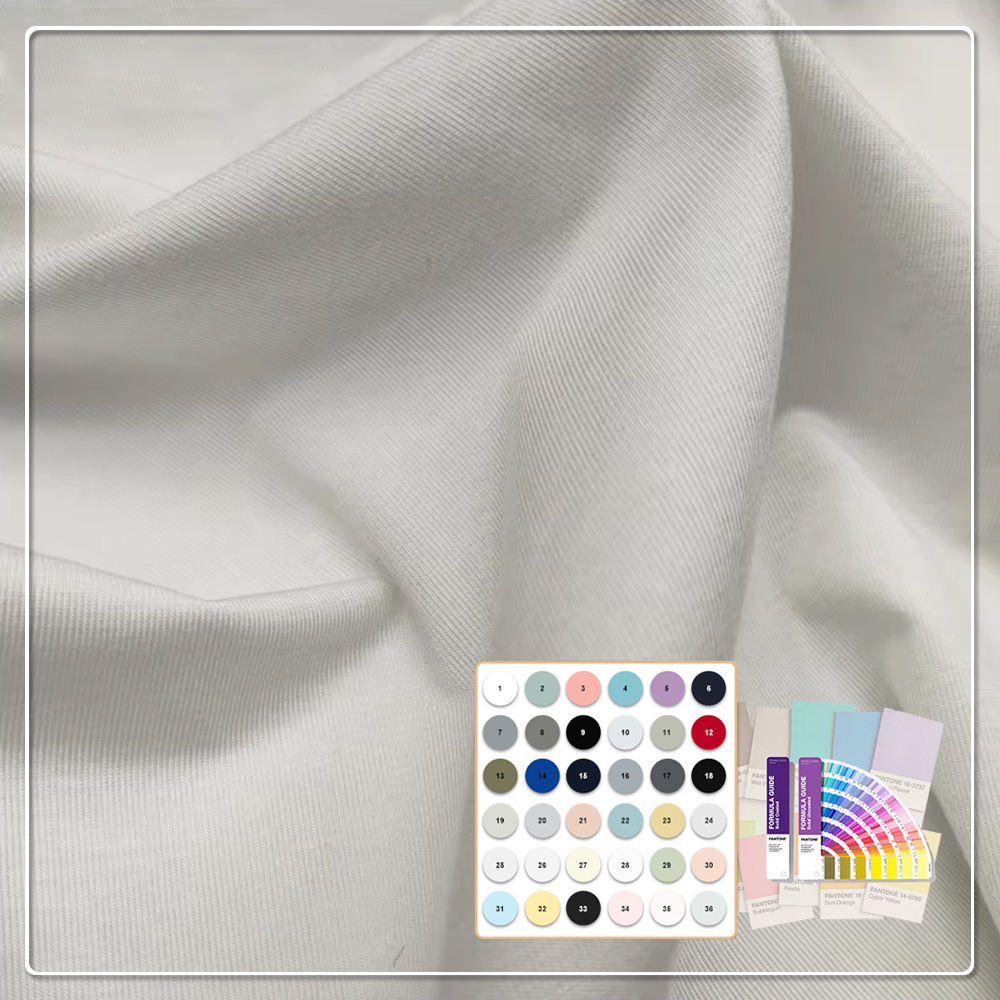
Our Products

Cost Factors to Consider When Purchasing Recycled Spandex

The cost of Ohyeah recycled spandex can vary significantly based on several factors. Understanding these can help buyers budget effectively and negotiate better terms with suppliers.  

Material Source: The origin of the recycled materials can influence pricing. Materials sourced from reputable suppliers with transparent sustainability practices might come at a premium, but they often guarantee better quality and compliance with eco-standards.  

Production Scale: Larger orders may qualify for bulk pricing discounts, while smaller orders may incur higher per-unit costs. It's essential to evaluate the minimum order quantity (MOQ) and how it aligns with your project needs. 

Customization and Features: Customizing spandex for specific applications—such as incorporating unique colors or  patterns—can affect cost. Buyers should assess whether the added investment aligns with their branding or product differentiation strategies. 

Shipping and Logistics: Factor in shipping costs, especially if sourcing from overseas manufacturers. Understanding lead times and shipping logistics can prevent unexpected expenses and delays in production timelines. 

By considering these cost factors, buyers can make well-informed decisions that align with both budgetary constraints and product quality expectations.
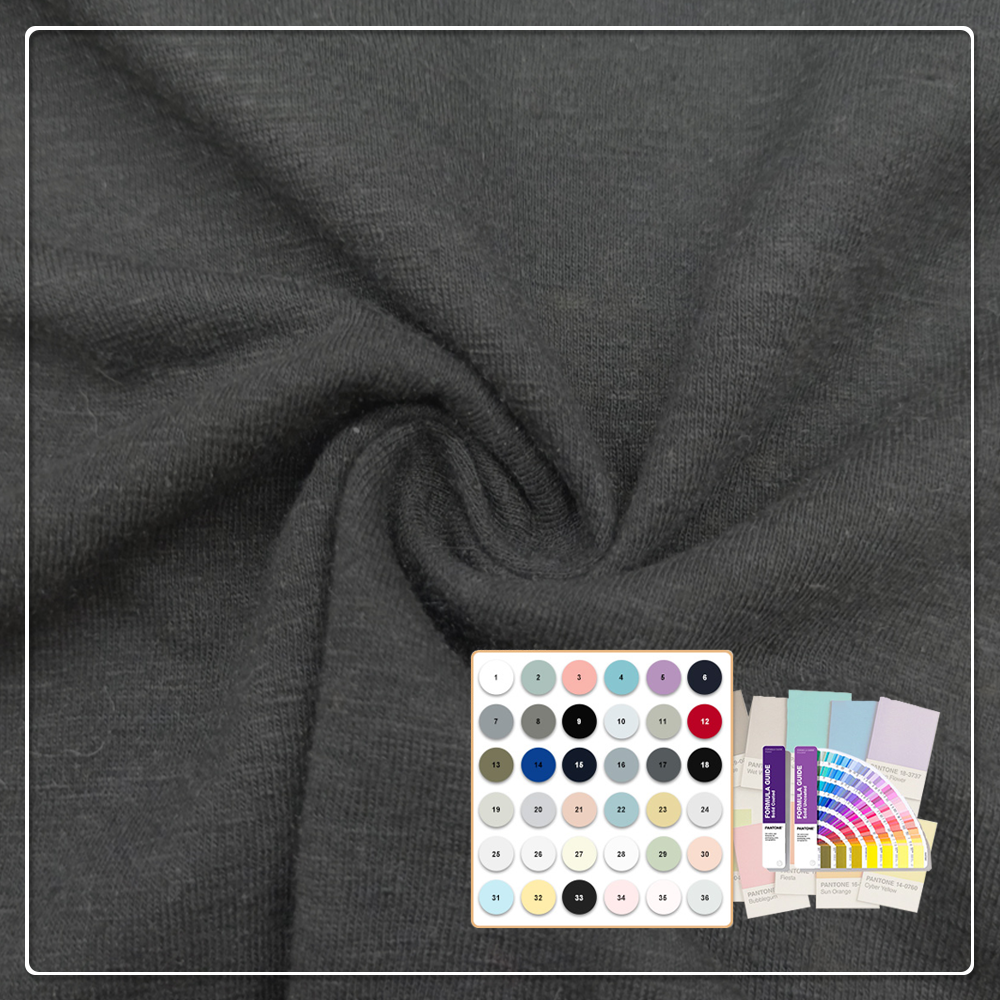
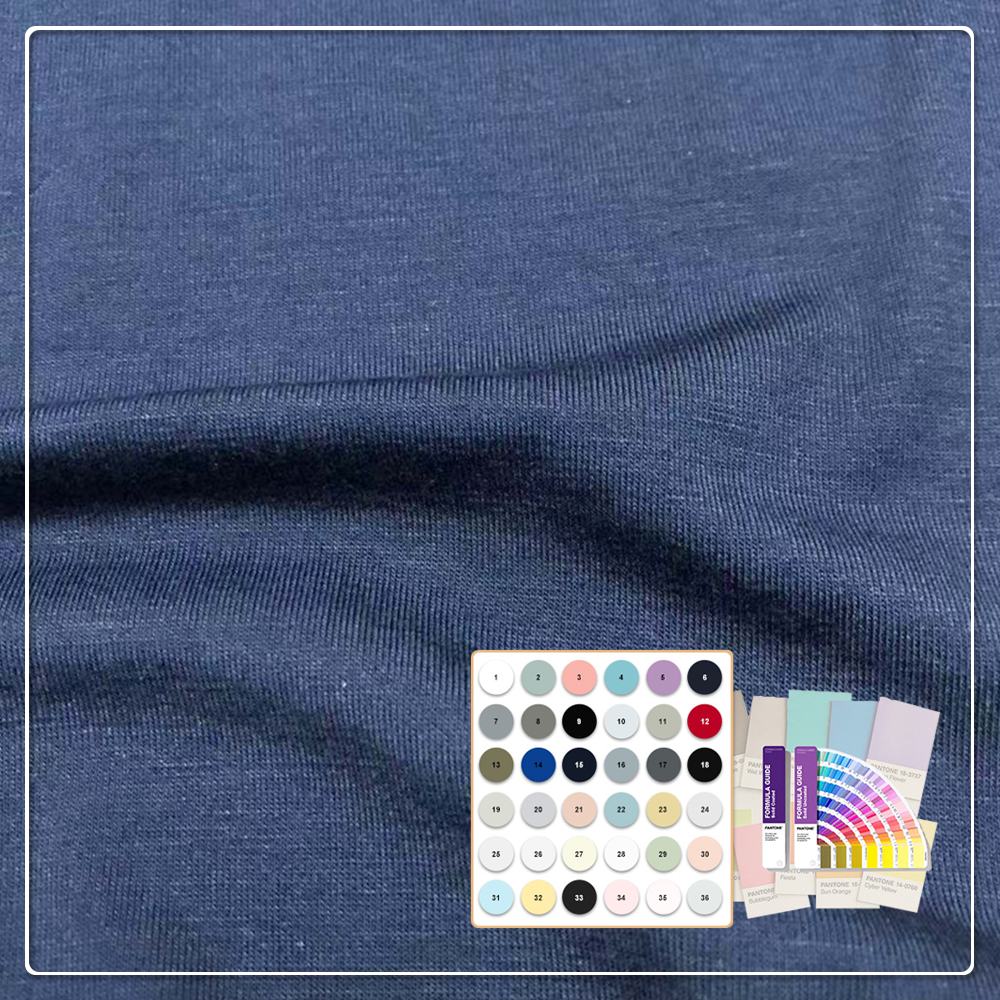
Installation Guidance for Recycled Spandex in Various Fabrics

Integrating recycled spandex into different fabric structures requires careful consideration to ensure compatibility and performance. Here are some key installation guidelines: 

Blending with Other Fabrics: When combining recycled spandex with other materials (like organic cotton or recycled polyester), ensure that the blend ratio achieves the desired stretch and comfort. A common mix is 5-10% spandex with 90-95% of the primary fabric for effective performance. 

Sewing Techniques: Use appropriate sewing techniques, such as using stretch stitches or serging, to accommodate the elasticity of spandex. This prevents seam breakage and ensures durability in the final product. 

Testing for Performance: Before finalizing production, conduct performance tests on samples that incorporate recycled spandex. This includes checking for shrinkage, colorfastness (ideally level 4-5), and wear resistance to ensure the fabric meets the intended use.  

Care Instructions: Provide care instructions that align with the properties of spandex bamboo fabric to maintain its quality over time. This often includes recommendations for washing temperatures and avoiding harsh chemicals. 

Following these guidelines will facilitate a smoother integration of recycled spandex into various fabric applications, ensuring that the final products perform well and meet customer expectations.

Comparing the Benefits of Recycled Spandex vs. Traditional Materials

When evaluating materials for production, comparing Ohyeah recycled spandex to traditional options (like virgin polyester or nylon) reveals several advantages:

Environmental Impact: Recycled spandex significantly reduces landfill waste and the carbon footprint associated with manufacturing new materials. This aligns with the growing demand for eco-friendly products in the textile market. 

Performance Characteristics: While traditional materials can offer good performance, recycled spandex often matches or exceeds these properties in areas like stretch, recovery, and comfort. Additionally, advancements in technology have enhanced the durability of recycled options.  

Market Demand: With increasing consumer awareness about sustainability, products made from recycled materials often attract a more environmentally conscious customer base, potentially boosting sales. 

Cost Efficiency Over Time: Although the initial cost of recycled spandex may be higher, the long-term benefits, including lower environmental impact and increased consumer interest, can lead to greater profitability for businesses committed to sustainable practices. 

Understanding these benefits can empower buyers to confidently incorporate spandex jersey fabric into their offerings, supporting both business goals and environmental responsibility.

Common Problems with Recycled Spandex and Their Solutions

Like any material, Ohyeah recycled spandex can present challenges during production and use. Here are some common problems along with effective solutions: 

Inconsistent Quality: Variations in the quality of recycled materials can lead to inconsistencies in performance. To mitigate this, establish strong relationships with trusted suppliers and conduct thorough quality inspections on incoming materials. This includes testing for stretch, colorfastness, and shrinkage. 

Dyeing Issues: Due to the nature of recycled fibers, dye uptake can be inconsistent. Use standardized dyeing processes and pre-testing to ensure color consistency across batches. It may also be beneficial to work with suppliers who specialize in dyeing recycled materials. 

Stretch Degradation: Over time, recycled spandex may experience degradation in stretchability. To counteract this, educate design teams on the limits of stretch and recovery and encourage them to test samples under actual wear conditions before final production. 

Environmental Sensitivities: Some bamboo spandex may have sensitivities to certain detergents or washing conditions. Providing clear care instructions can help end-users maintain the quality of the fabric and prolong its lifespan. 

By anticipating these challenges and implementing proactive solutions, buyers can ensure a smoother production process and enhance the overall quality of their final products. 

How to Choose High-Quality Recycled Spandex for Your Projects

When selecting recycled spandex, buyers should prioritize specific characteristics to ensure the fabric meets their project requirements. The key specifications include the material composition, stretchability, recovery properties, and eco-certifications.  

Material Composition: High-quality recycled spandex should contain a significant percentage of recycled materials, which enhances sustainability. Ensure that the product has certifications such as GRS (Global Recycle Standard), which verifies the recycled content and responsible manufacturing processes. 

Stretchability and Recovery: Look for spandex that provides optimal stretch and recovery. A good spandex should maintain its shape after stretching, which is crucial for applications in activewear or fitted garments. A stretch ratio of 200% or more is often desirable. 

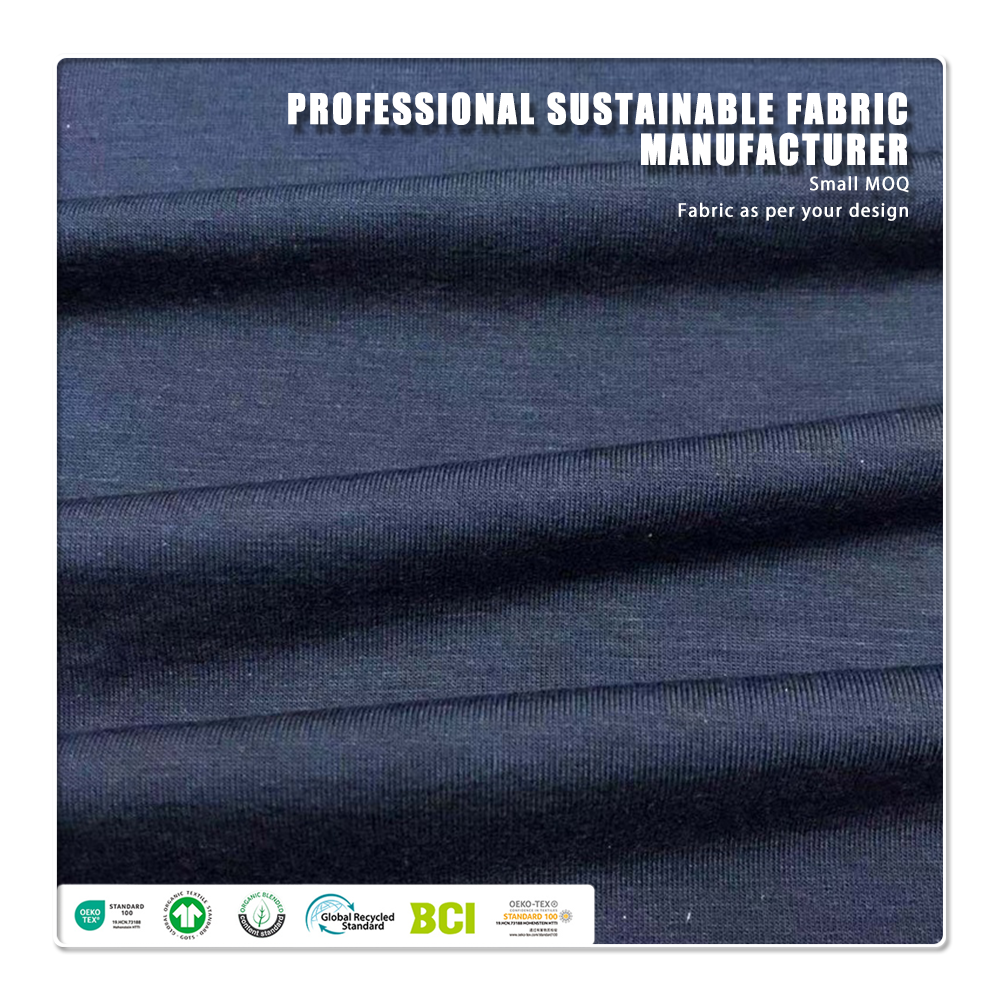
Eco-Certifications: Certifications like OEKO-TEX and GOTS indicate that the material is free from harmful substances and produced under environmentally friendly conditions. This not only ensures product safety but also aligns with eco-conscious branding.  

By focusing on these factors, buyers can source recycled spandex that meets both performance and sustainability goals.

Our Blog Posts

How Tencel Modal Fabric Enhances Softness in Everyday Apparel

29

May

How Tencel Modal Fabric Enhances Softness in Everyday Apparel

Everyday clothing is defined by the comfort it provides during daily wear. A soft feeling against the skin is not just desired but necessity,from dawn to dusk. Say goodbye to scratchy,uncomfortable clothes in your e...
View More
What Buyers Value Most in Tencel Lyocell Fabric Performance

29

May

What Buyers Value Most in Tencel Lyocell Fabric Performance

When buyers look at Tencel Lyocell for their line, they are more interested in facts and figures than marketing gimmicks. They need facts on performance, consistent quality, a trustworthy supplier with verifiable certifications, and benefit...
View More
What Makes Tencel Lyocell a Preferred Choice for Sustainable Apparel

29

May

What Makes Tencel Lyocell a Preferred Choice for Sustainable Apparel

Sustainability has now moved out of the niche and into an expectation among ethical consumers and forward-thinking brands. Among the many eco-friendly fibers currently available, Tencel Lyocell has emerged as a clear front-runner. Here at S...
View More
Why Tencel Lyocell Fabric Supports High-End Apparel Production

29

May

Why Tencel Lyocell Fabric Supports High-End Apparel Production

High-end garments require a special quality that goes beyond price. They offer exquisite hand-feel,flawless drape,consistent quality,and a story that appeals to sophisticated consumers. When a manufacturer or brand intends to succeed in the high-end ...
View More

Get a Free Quote

Our representative will contact you soon.
Email
Name
Mobile/WhatsApp
Company Name
Message
0/1000

Get a Free Quote

Our representative will contact you soon.
Email
Name
Mobile/WhatsApp
Company Name
Message
0/1000