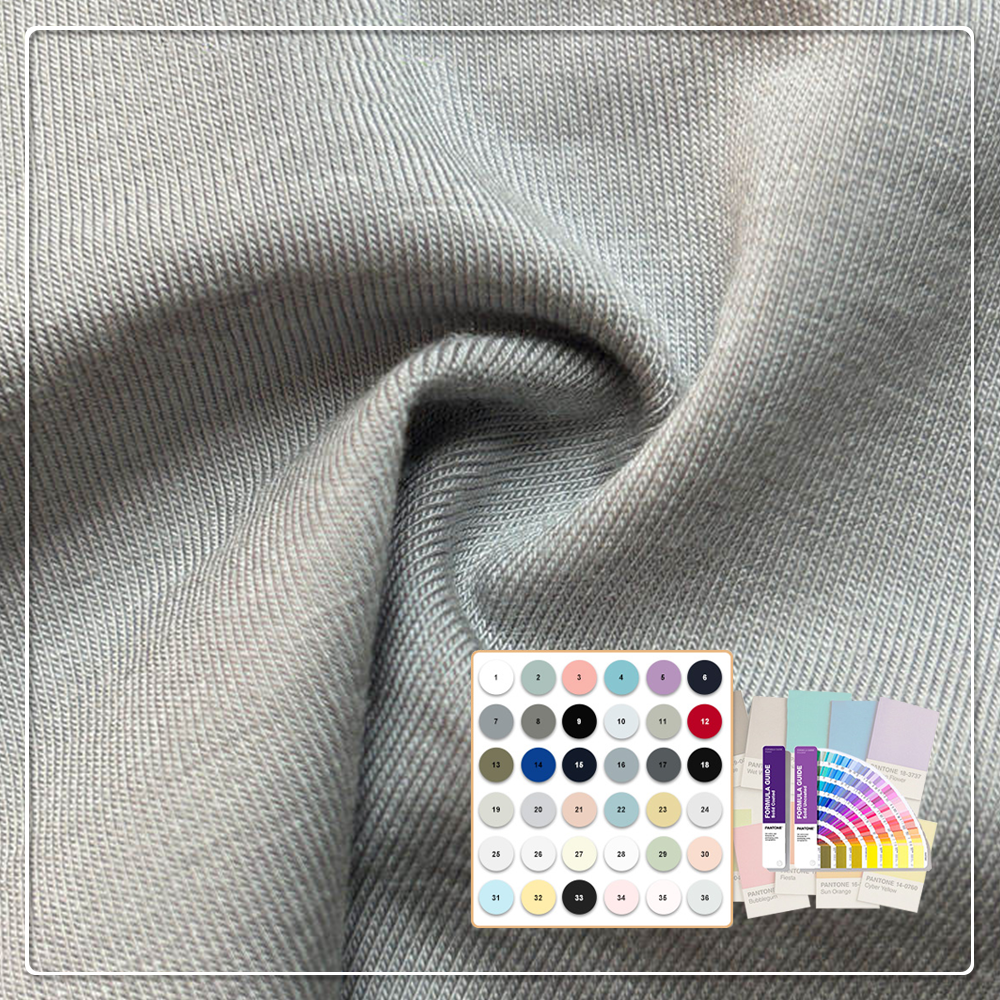
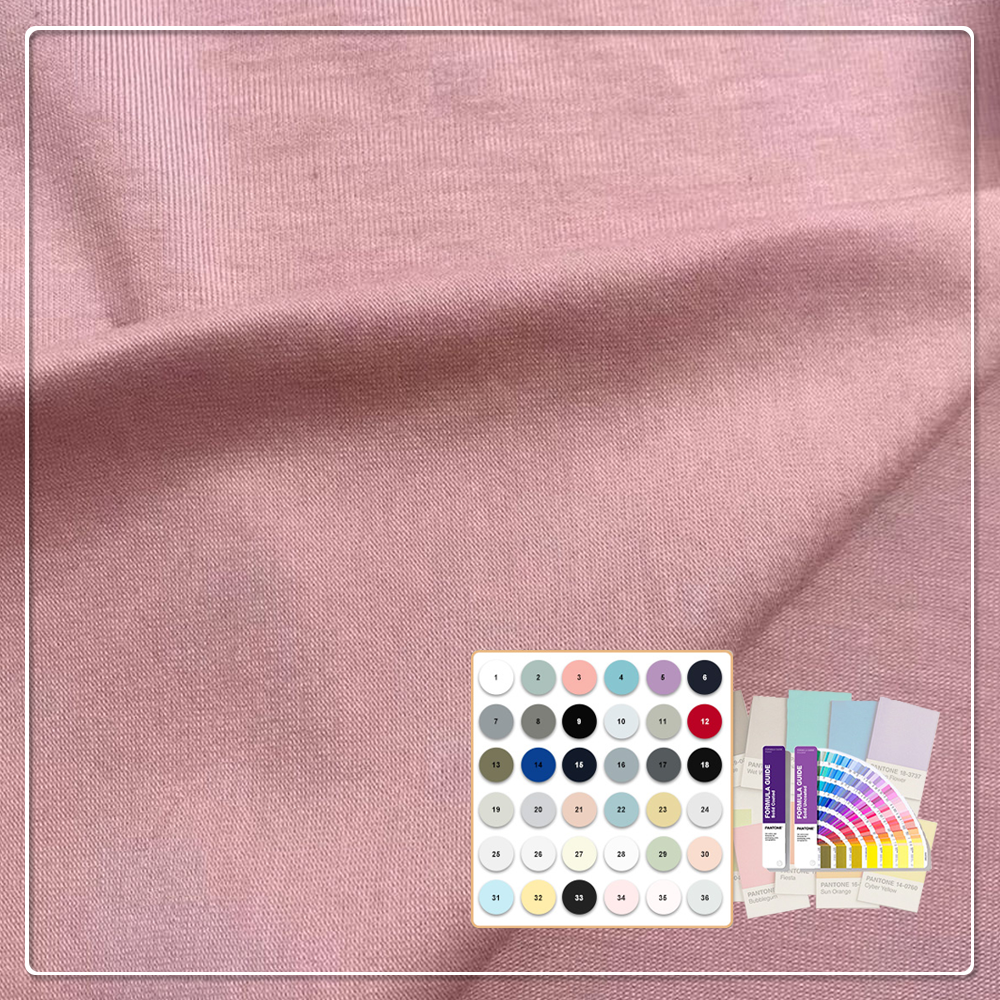
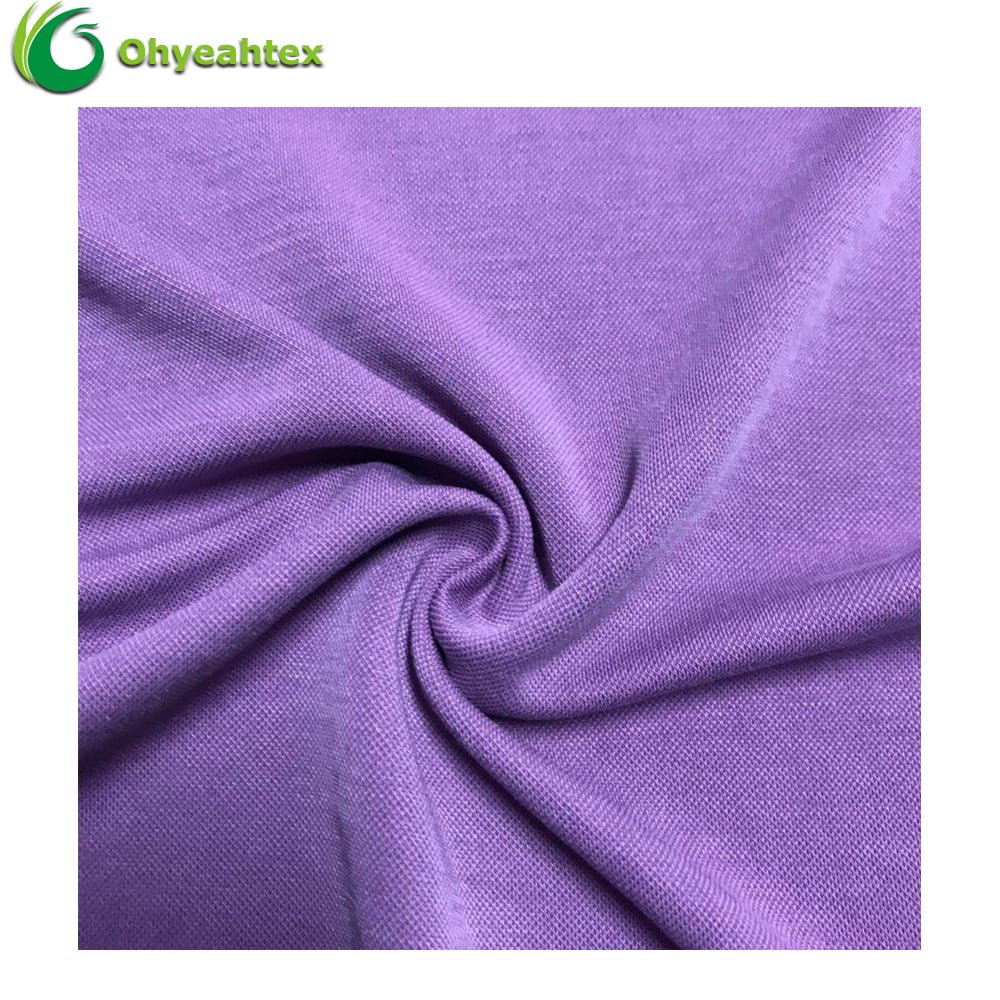
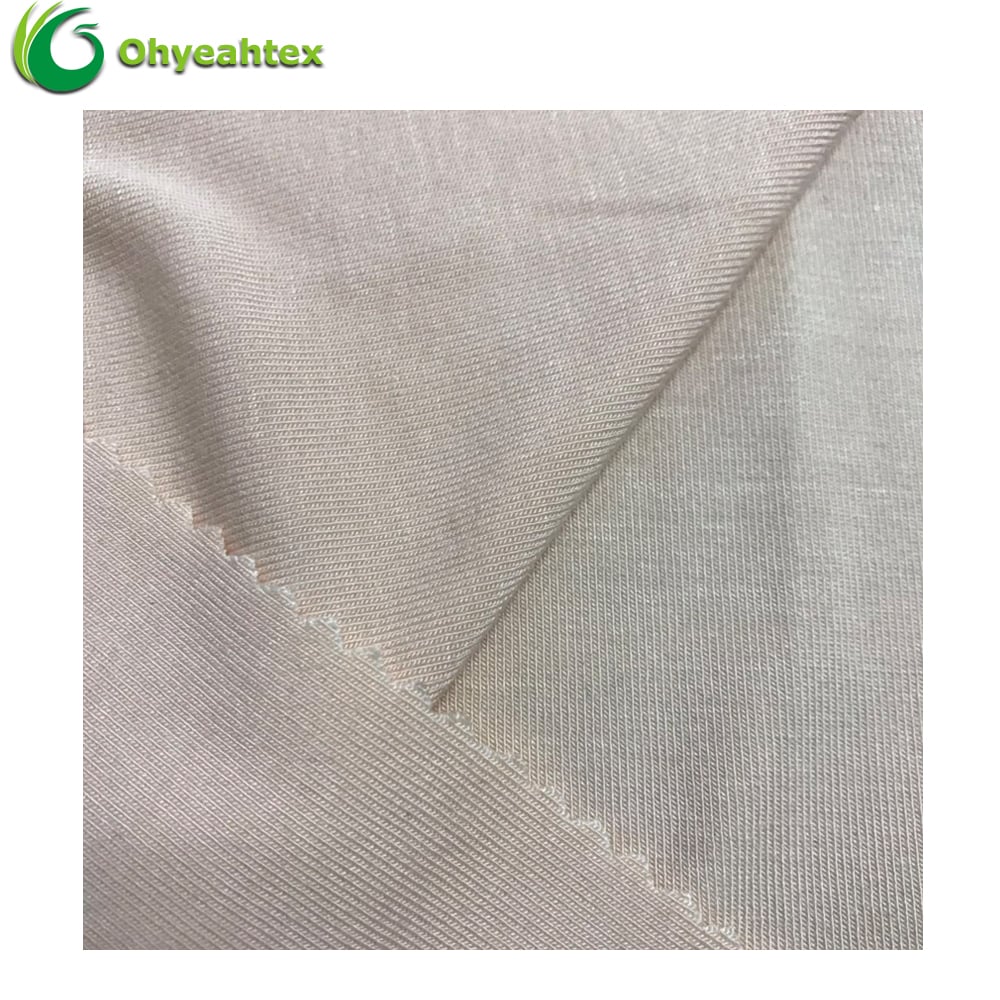
Key Specifications of Sustainable Modal Fabrics

Get a Free Quote

Our representative will contact you soon.
Email
Name
Mobile/WhatsApp
Company Name
Message
0/1000

Sustainable modal

Sustainable modal fabrics are becoming increasingly important in the textile industry as more companies strive to adopt eco-friendly practices. These fabrics, made from renewable resources, appeal to businesses looking for sustainable options without compromising quality or performance, we will explore the key specifications of sustainable modal, how to evaluate the quality of eco-friendly knitted fabrics, ways to find reliable suppliers, and key considerations for importers. This comprehensive guide will help you make informed decisions when sourcing sustainable Ohyeah bamboo modal fabric products.
Our Products

How to Evaluate the Quality of Eco-Friendly Knitted Fabrics

When evaluating eco-friendly knitted fabrics, consider the following criteria: 

Physical Properties: Assess the fabric’s texture, stretchability, and recovery. Modal fabrics should feel soft to the touch and exhibit good elasticity. Conduct a stretch test to ensure the fabric returns to its original shape after being stretched. 

Sample Testing: Before placing a bulk order, request samples to evaluate the fabric’s performance in real-life conditions.  This includes checking for color fastness, shrinkage, and any pilling that may occur during use. 

Manufacturer Reputation: Research potential suppliers to ensure they have a proven track record in producing high-quality sustainable textiles. Reading customer reviews and testimonials can provide insight into their reliability and product performance. 

Quality Control Processes: Inquire about the manufacturer’s quality control measures. A reputable supplier should have strict quality inspection protocols in place to catch defects early in the production process. 

Sustainability Practices: Assess the environmental impact of the production processes employed by the manufacturer. Sustainable modal should be produced in a manner that minimizes waste and energy consumption. 

By focusing on these evaluation criteria, buyers can ensure they are sourcing high-quality eco-friendly knitted fabrics that meet their sustainability goals.
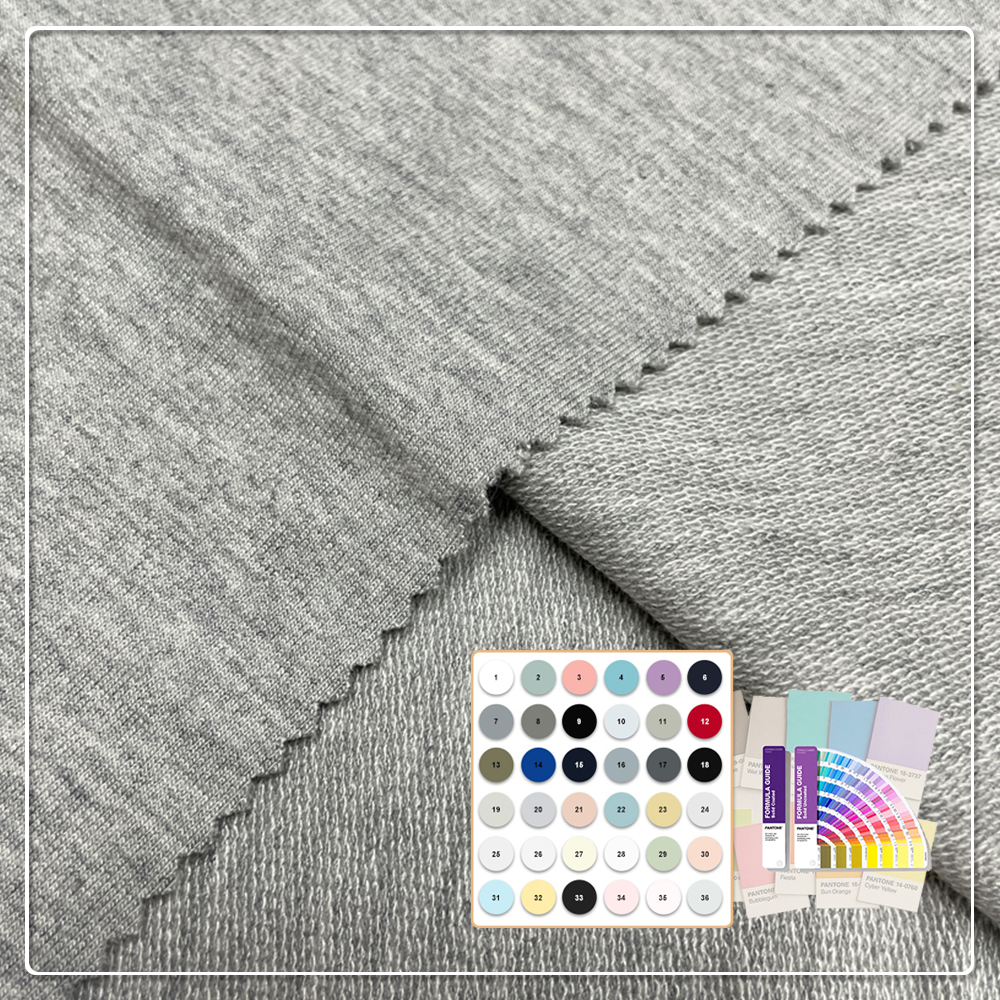
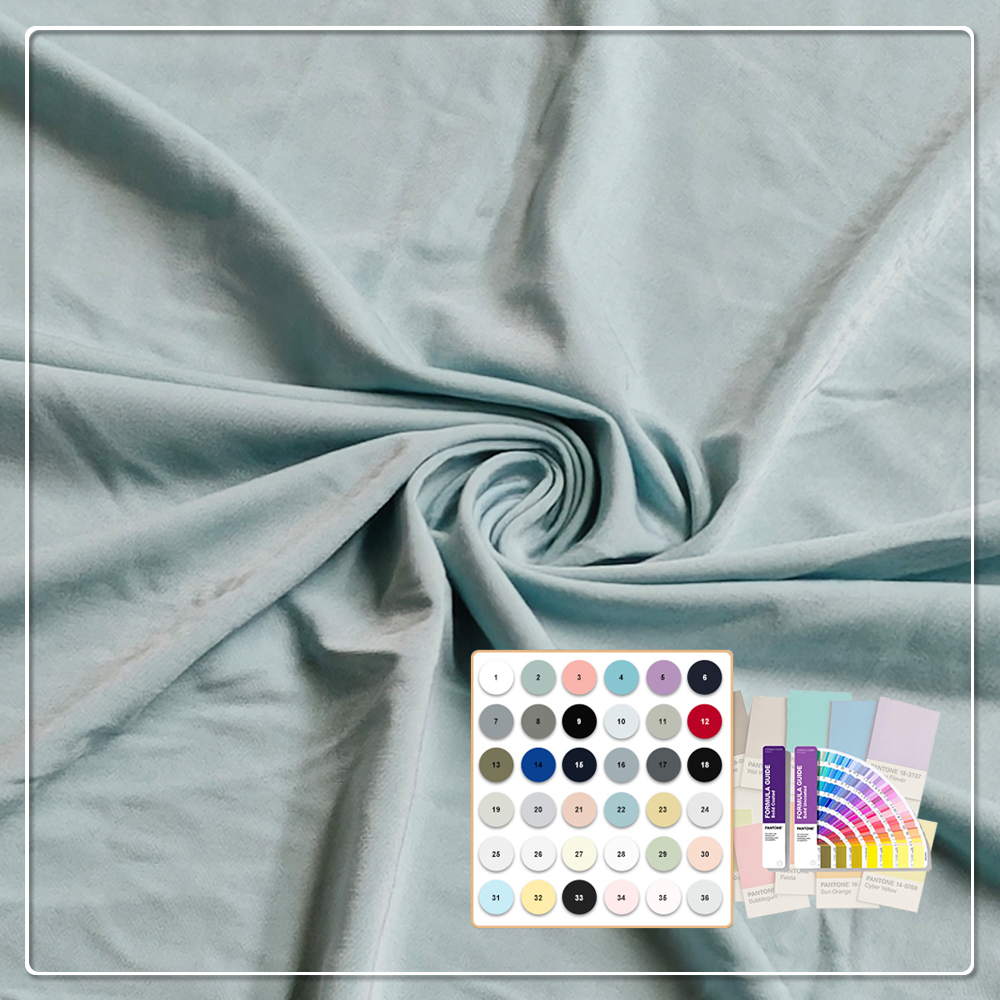
Where to Find Reliable Suppliers for Sustainable Modal Products

Finding reliable suppliers for sustainable modal products requires strategic research and outreach. Here are some effective approaches: 

Industry Directories: Utilize online industry directories and trade platforms that specialize in sustainable textiles. Websites like ThomasNet, Maker’s Row, or Textile World can connect you with manufacturers focusing on eco-friendly materials. 

Trade Shows and Exhibitions: Attend textile trade shows and exhibitions dedicated to sustainability, such as the Sustainable Fashion Forum or the Eco Textile Conference. These events provide opportunities to meet suppliers face-to-face and assess their products. 

Networking: Leverage industry contacts, including fellow importers, manufacturers, and trade associations. Networking can lead to valuable recommendations for trusted suppliers who specialize in sustainable modal fabrics. 

Certifications and Memberships: Look for suppliers who hold relevant certifications and memberships in sustainable organizations. This can serve as an indicator of their commitment to eco-friendly practices and quality. 

Requesting Quotes: Once you identify potential suppliers, request quotes that include detailed specifications, pricing, and lead times. This will help you compare options and make informed decisions based on your requirements. 

By employing these strategies, you can identify trustworthy suppliers that align with your sustainability objectives.

Key Considerations for Importers

When importing sustainable Ohyeah modal fabrics, keep the following considerations in mind: 

Minimum Order Quantity (MOQ): Understand the MOQ set by your supplier. This can vary significantly depending on the manufacturer’s capacity and the specific fabric requested. Ensure that the MOQ aligns with your purchasing needs. 

Lead Times: Factor in production and shipping lead times when planning your orders. Sustainable modal fabric eco friendly may require additional time for processing due to their eco-friendly production methods. 

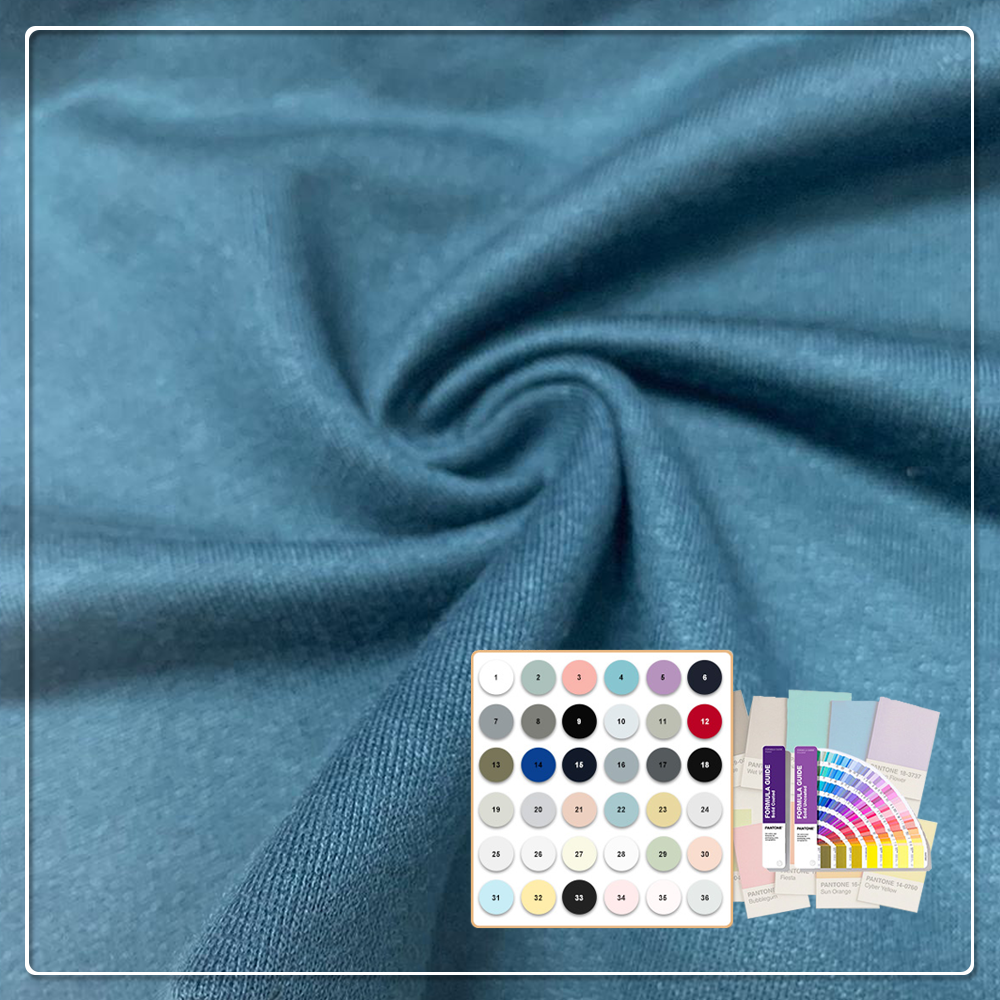
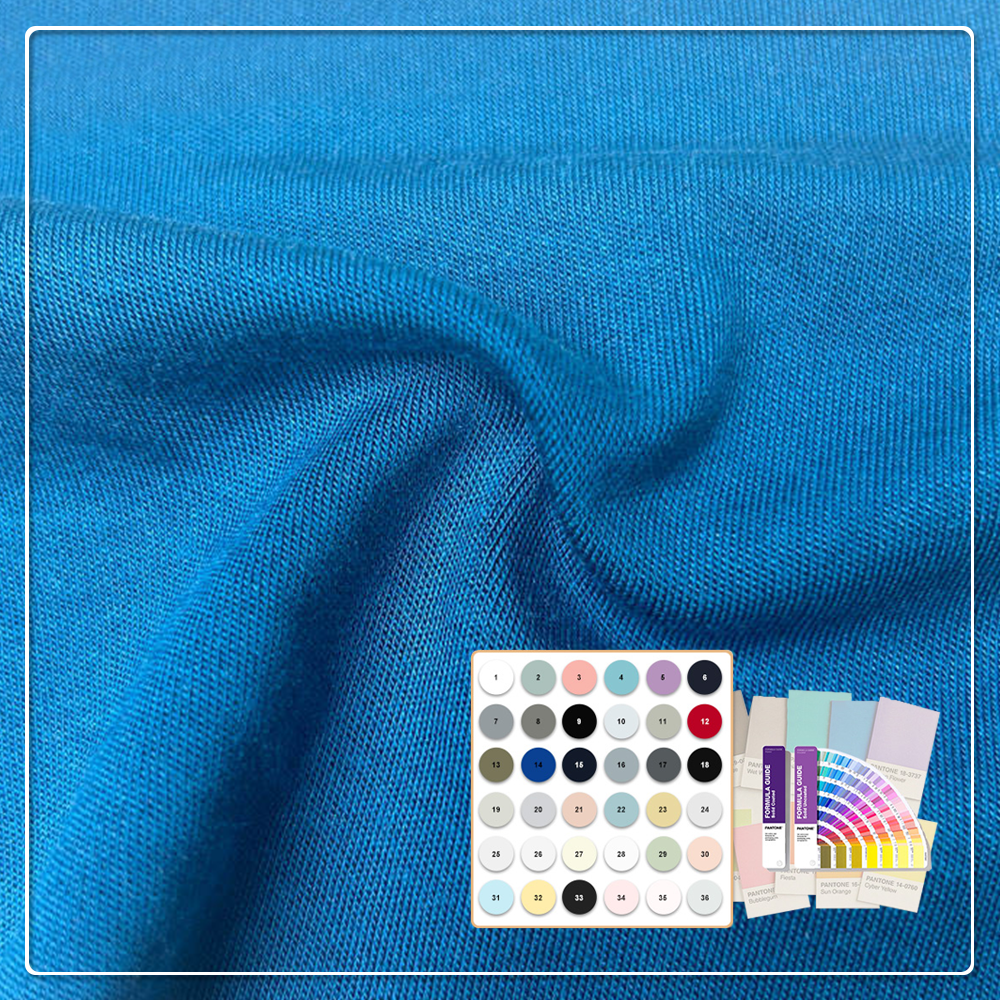
Customization Options: If you require specific colors or patterns, discuss customization options with your supplier. Many manufacturers offer digital printing services or color matching, allowing you to tailor fabrics to your brand’s specifications. 

Shipping and Logistics: Coordinate with your supplier regarding shipping methods and logistics. Depending on your location and order size, shipping costs and delivery times can vary, impacting your overall budget and timeline. 

Import Regulations: Familiarize yourself with import regulations governing textiles in your country. This includes understanding tariffs, customs duties, and any necessary documentation to ensure a smooth import process. 

By addressing these considerations, importers can streamline their sourcing operations and enhance their procurement efficiency.

A Comprehensive Guide

In summary, sourcing Ohyeah sustainable modal fabrics requires a thorough understanding of their specifications, quality evaluation, supplier identification, and critical import considerations. By focusing on material composition, certifications, and quality control processes, businesses can ensure they make informed decisions that align with their sustainability goals. 

Engaging reliable suppliers and understanding the implications of MOQ, lead times, and customization will further enhance the procurement process. This comprehensive approach allows companies to effectively integrate eco-friendly fabrics into their production lines, meeting consumer demand for sustainable products while maintaining high-quality standards.

What Are the Key Specifications of Sustainable Modal Fabrics?

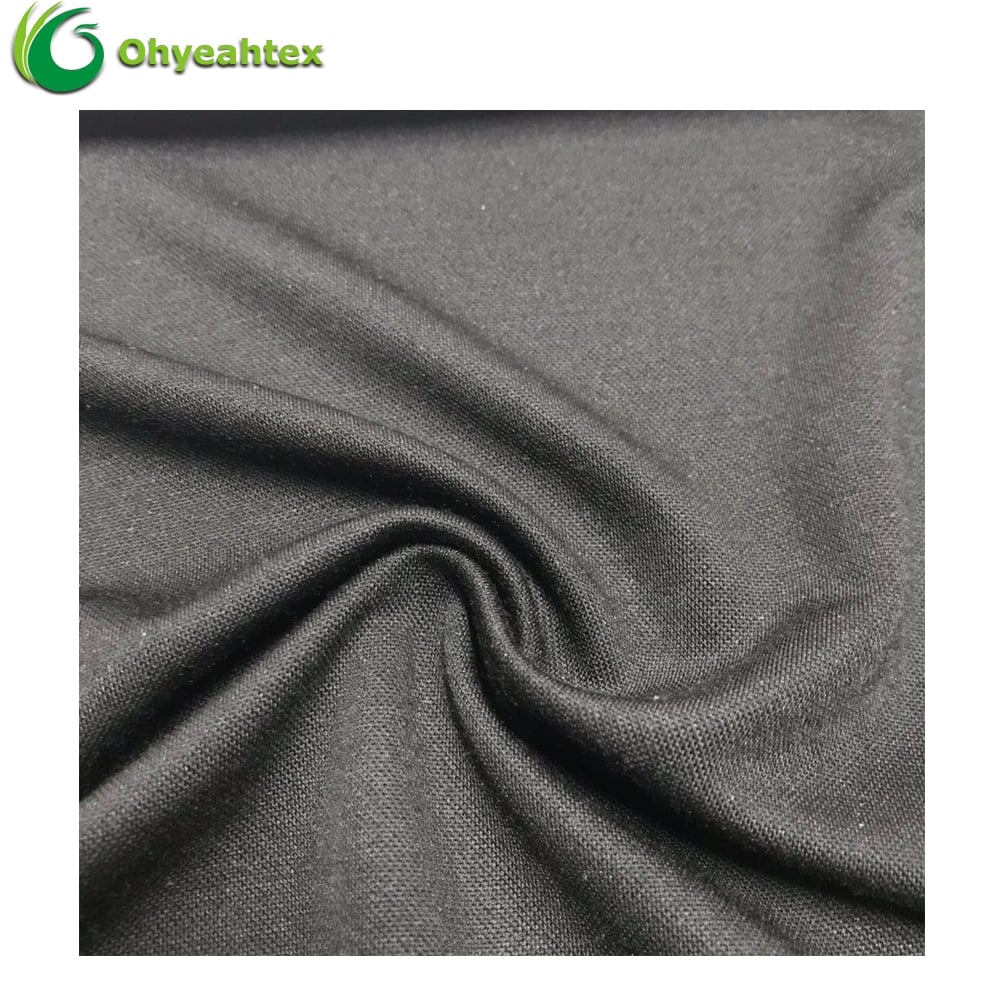
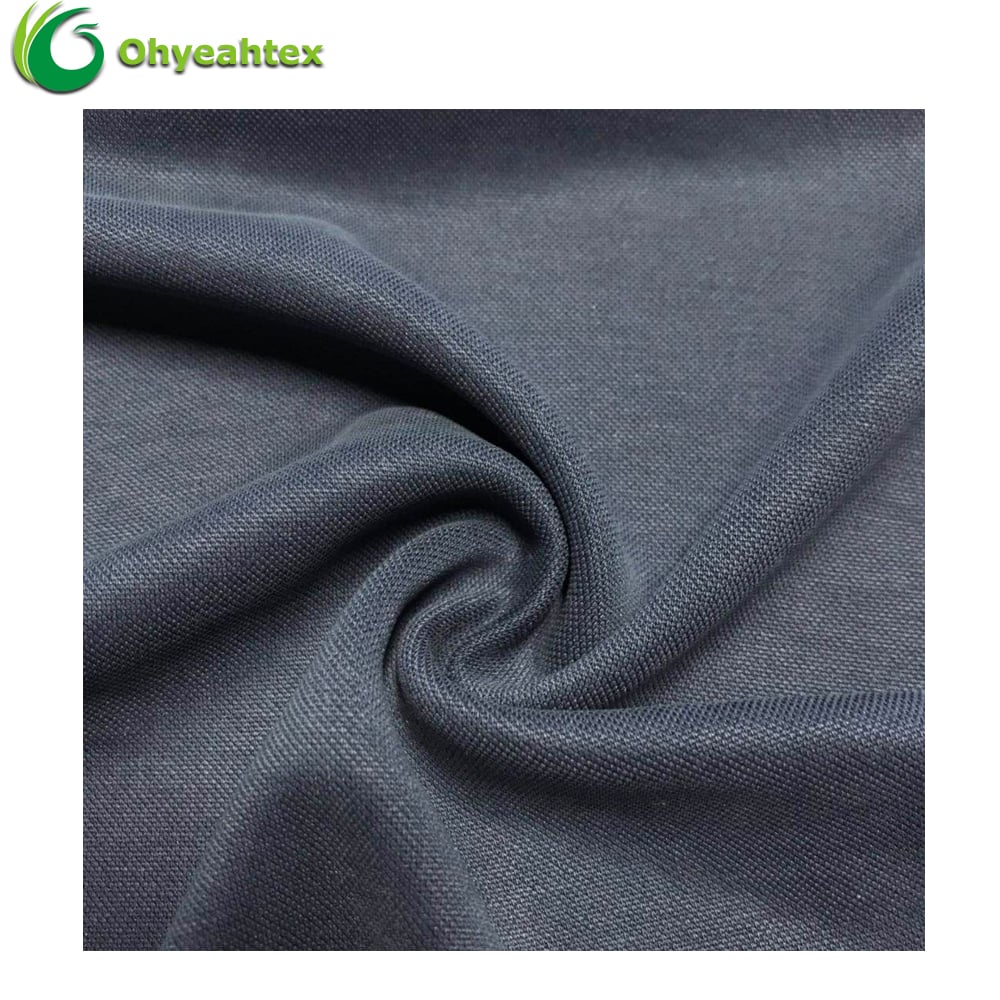
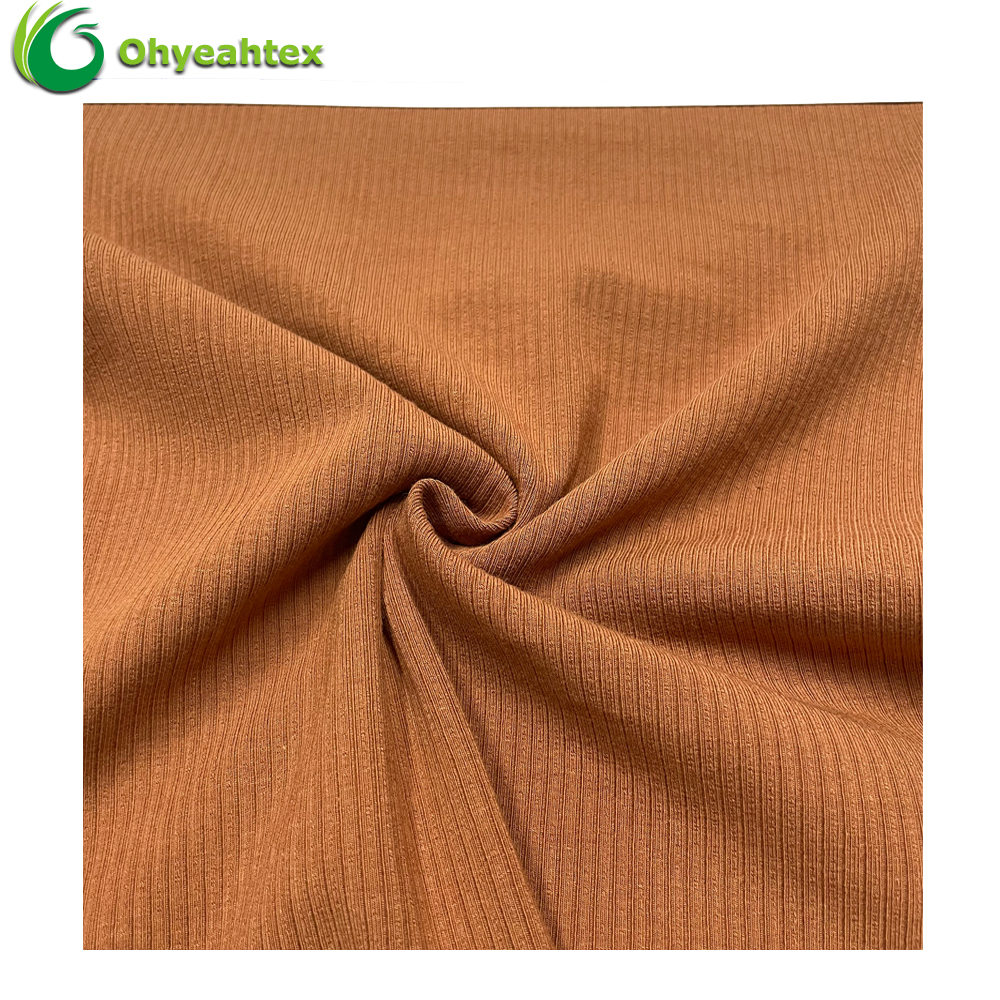
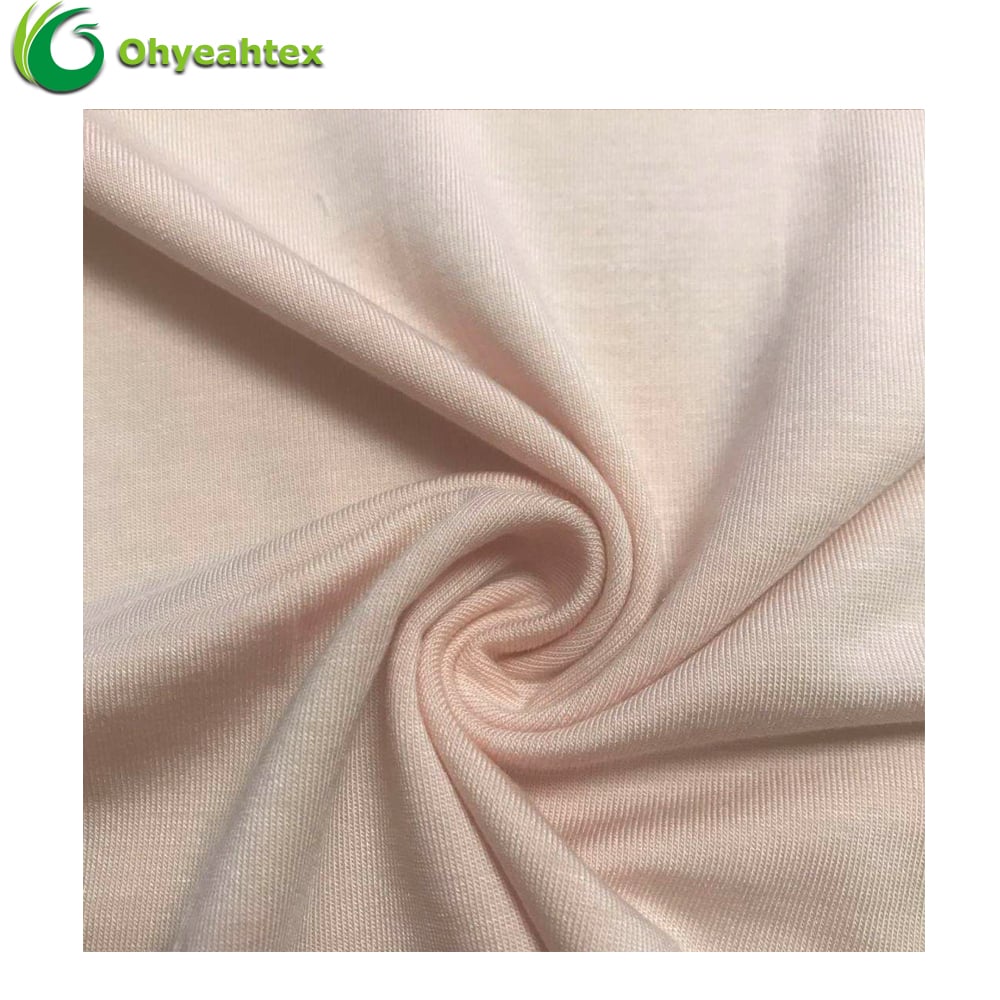
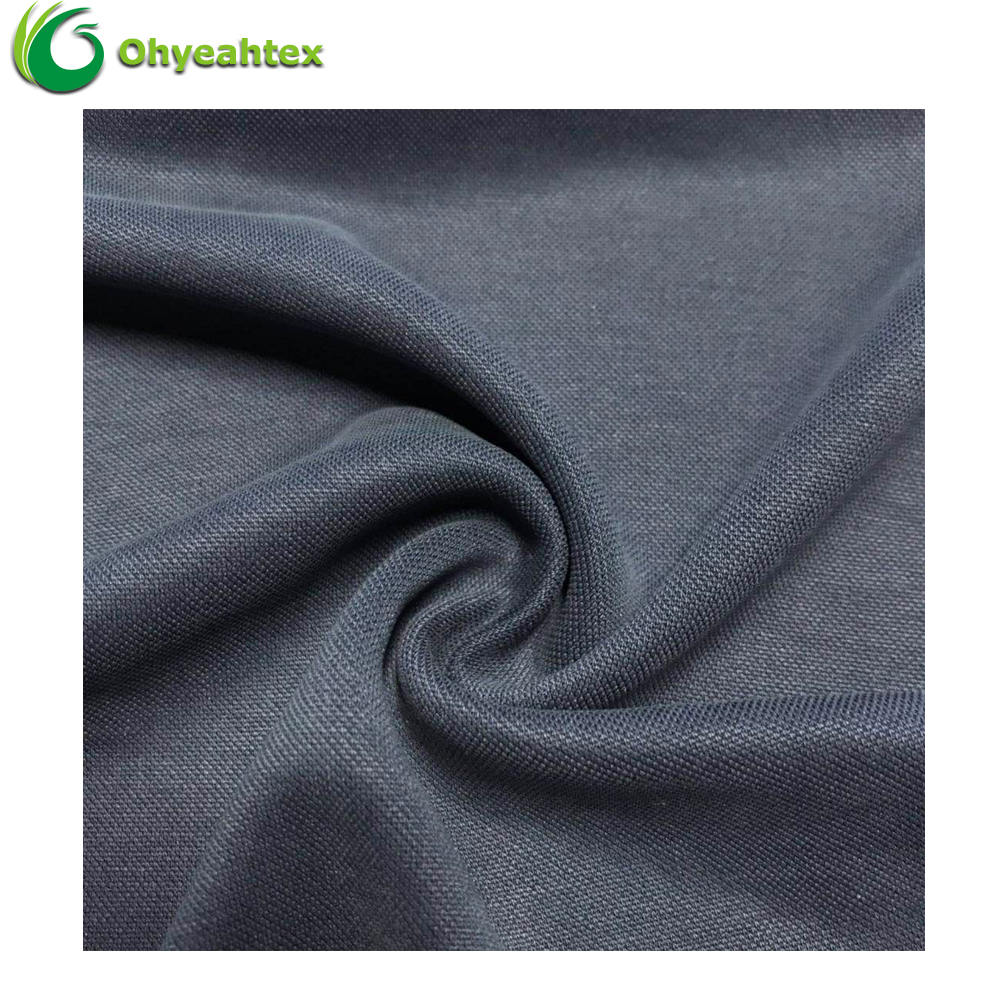
Sustainable modal fabrics are primarily made from beech tree pulp, which is processed using environmentally friendly methods. Key specifications to consider include: 

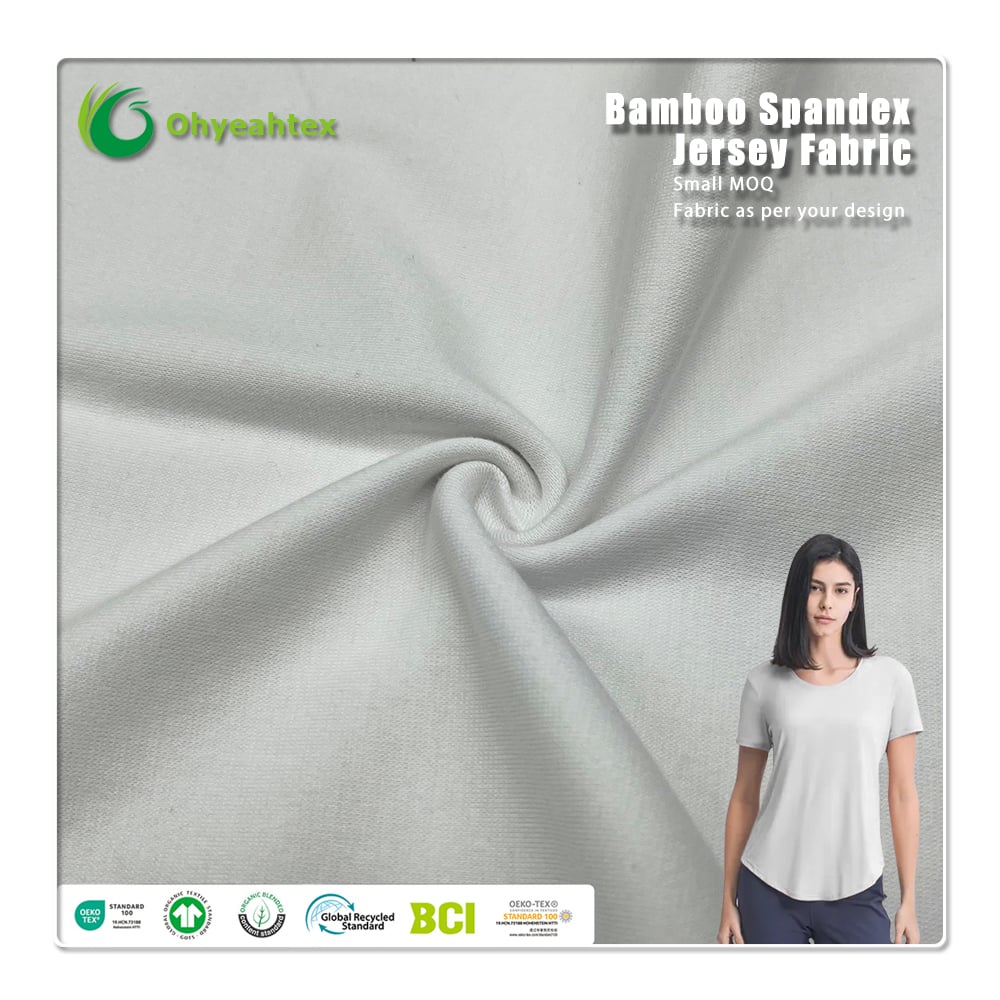
Material Composition: Modal is a type of rayon, and its production involves a closed-loop process that minimizes waste and chemical usage. Look for fabrics that are certified by organizations like OEKO-TEX or GOTS, ensuring they are free from harmful substances. 

Weight and Thickness: The weight of the fabric, typically measured in grams per square meter (GSM), affects its durability and drape. A higher GSM often indicates a heavier, more durable fabric, while lower GSM is suitable for lighter applications. 

Color Fastness: Sustainable modal should exhibit a color fastness rating of 4-5, which signifies good resistance to fading and washing. This is critical for maintaining the appearance of garments and textile products over time. 

Shrinkage Rate: Fabrics should shrink less than 5% during washing and drying to ensure that garments retain their shape and fit after multiple washes. 

Certification: Certifications like OEKO-TEX, GOTS, and OCS indicate that the fabric meets certain environmental and social responsibility standards. These certifications can be critical for buyers seeking reliable and ethical sourcing options. 

Understanding these specifications allows buyers to select the appropriate modal fabric sustainable for their specific applications, ensuring quality and sustainability.

Our Blog Posts

How bamboo fabric is made

04

Feb

How bamboo fabric is made

I am aware that bamboo fabric has swept the textile industry with its smooth touch, the technological breathing quality and some amazing eco-factors. In Shaoxing city Ohyeah Textile Co., Ltd. a registered producer of high quality bamboo fabrics we do...
View More
How Tencel Modal Elevates the Comfort Standards of Modern Knitwear

13

Oct

How Tencel Modal Elevates the Comfort Standards of Modern Knitwear

The pursuit of comfort in the evolving reality of the fabric has been revolutionized into something not just about soft touch experience to a comprehensive performance, sustainability, and longevity criterion. The change has been witnessed in Shaoxin...
View More
The Low-Shrinkage Advantage of Tencel Modal in Mass Production

13

Oct

The Low-Shrinkage Advantage of Tencel Modal in Mass Production

The number of challenges that are as expensive and disruptive as the fabric shrinkage are scarce to manufacturers and brands with a large scale. In case of shrinking clothes after manufacturing, and worse still when they reach the consumers, the cons...
View More
Why Modal Tencel Material Is Popular Among Textile Wholesalers

13

Oct

Why Modal Tencel Material Is Popular Among Textile Wholesalers

When we engage in wholesale of textiles in a dynamic and demanding environment like the one we live in, the supply is of key relevance. We need products that satisfy, more than anything else, fundamental elements, quality, price and demand on the mar...
View More

Get a Free Quote

Our representative will contact you soon.
Email
Name
Mobile/WhatsApp
Company Name
Message
0/1000

Related product categories

Get a Free Quote

Our representative will contact you soon.
Email
Name
Mobile/WhatsApp
Company Name
Message
0/1000