 EN
Modal clothing material, known for its softness and breathability, is increasingly popular in the textile industry, especially among environmentally conscious consumers. As a B2B buyer, understanding the specifications, quality evaluation methods, and sourcing strategies for modal fabrics is essential to ensure you meet your customers' needs while maintaining high-quality standards. This article will guide you through key specifications, quality assessment, sourcing reliable suppliers, common challenges, and installation guidance for modal fabrics. Additionally, exploring options like Tencel Modal can provide further insights into sustainable fabric choices.
How to Evaluate the Quality of Modal Fabrics for Wholesale Purchases
Evaluating the quality of modal fabrics before making a wholesale purchase is paramount. Here are practical steps to ensure you select high-quality materials:
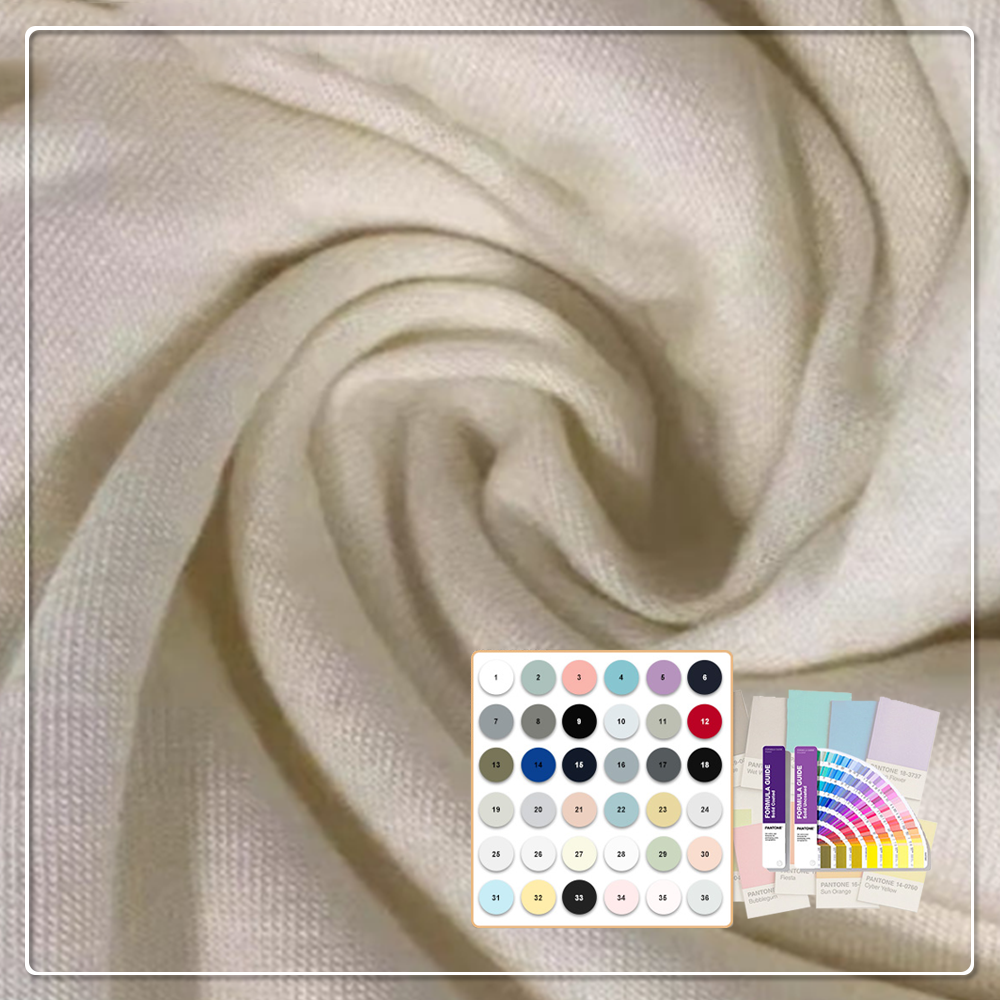
Request Samples: Always request fabric samples before placing large orders. This allows you to assess the texture, weight, and appearance of the modal fabric in person.
Inspect Certifications: Verify that the supplier can provide certifications such as OEKO-TEX or GOTS. These certifications indicate that the fabric has been tested for harmful substances and meets organic textile standards.
Conduct a Burn Test: A simple burn test can help identify the fiber content. Modal typically has a smooth, even burn with a soft ash. If the fabric burns unevenly or produces a harsh odor, it may contain synthetic fibers.
Check for Consistency: Inspect multiple samples for color and texture consistency. Variations can indicate poor quality control during production.
Evaluate Performance: If possible, test the fabric under actual use conditions, such as washing and wearing, to assess its durability, breathability, and comfort.
By diligently evaluating these aspects, buyers can ensure they purchase modal fabrics that meet their quality expectations.