 EN
Modal fabric is an increasingly popular choice for various applications due to its soft texture, excellent drape, and eco-friendly characteristics. As a B2B buyer, you may be concerned about sourcing high-quality modal fabric that meets your specific requirements, including sustainability, durability, and performance. This article will guide you through the selection process, key features to consider, reliable suppliers, ideal uses across industries, and common issues you may encounter with modal fabric, along with effective solutions.
What to Look For
When sourcing modal fabric, buyers should pay attention to the following specifications:
Composition: Ensure the fabric is made from high-quality modal fibers, possibly blended with other materials like recycled polyester for enhanced durability and performance.
Weight and Thickness: Depending on your project, the weight of the fabric may be crucial. A heavier fabric may be more suitable for outerwear, while lighter weights are ideal for delicate apparel.
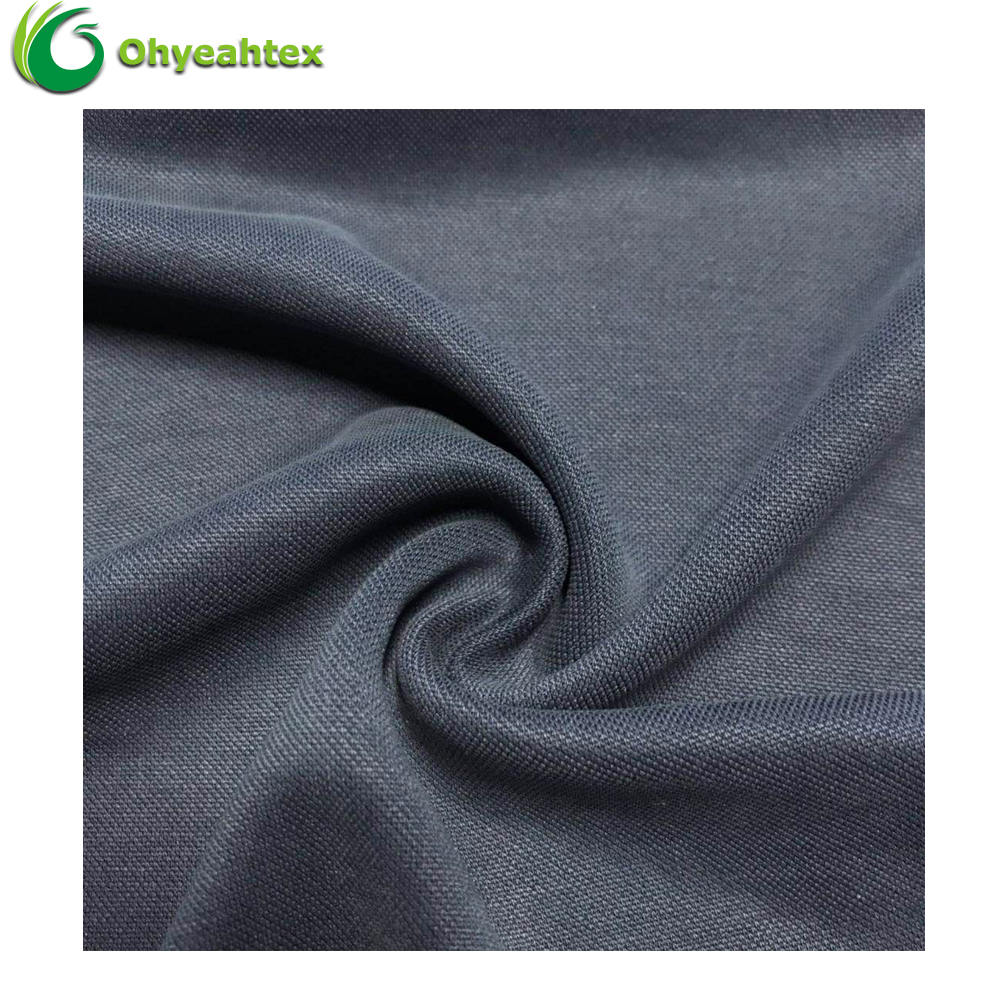
Texture and Finish: The surface finish can affect the fabric's aesthetic and tactile qualities. Look for a smooth finish if you're designing garments that require a luxurious touch.
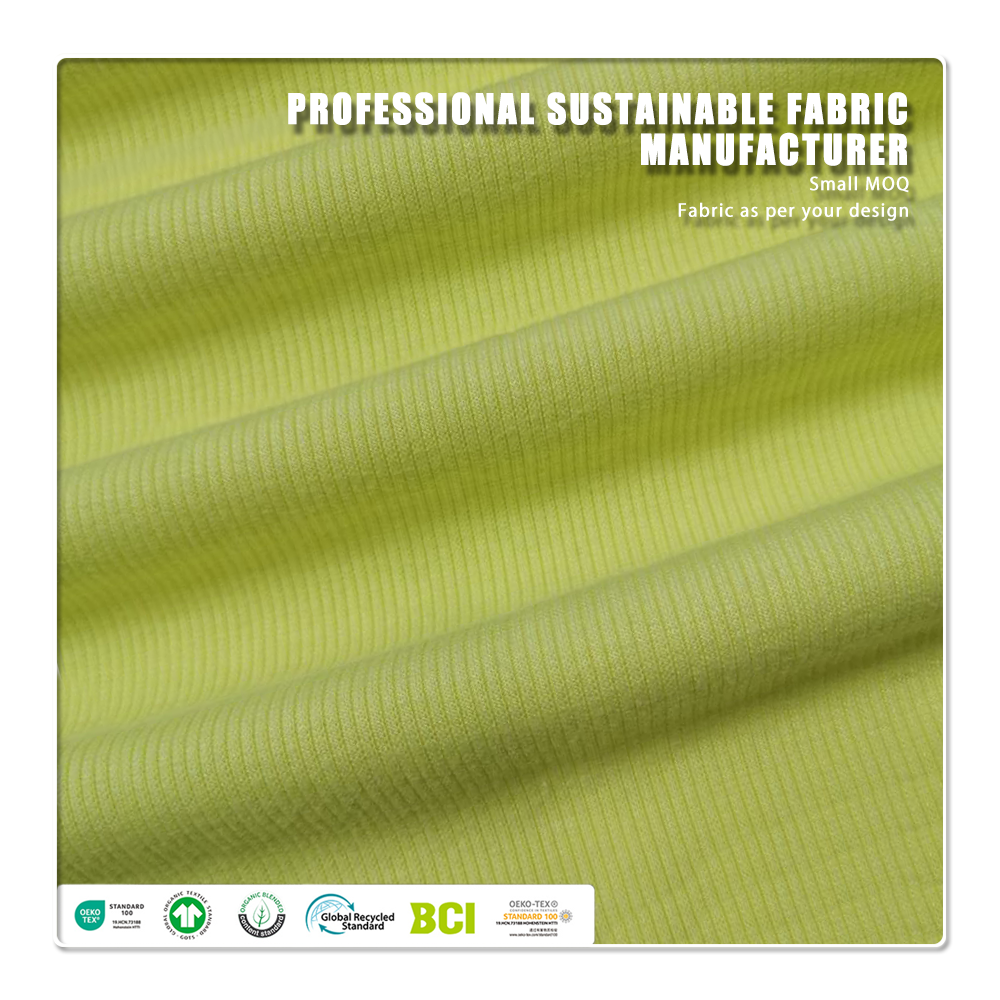
Certifications: Verify the sustainability certifications of the fabric. Certifications like GOTS and OEKO ensure that the fabric meets strict environmental and safety standards.
Performance Attributes: Inquire about the fabric's performance under various conditions, including moisture-wicking properties and breathability, especially for activewear applications.