What to Consider When Sourcing Modal Fabric Stretch

Get a Free Quote

Our representative will contact you soon.
Email
Name
Mobile/WhatsApp
Company Name
Message
0/1000

modal fabric stretch

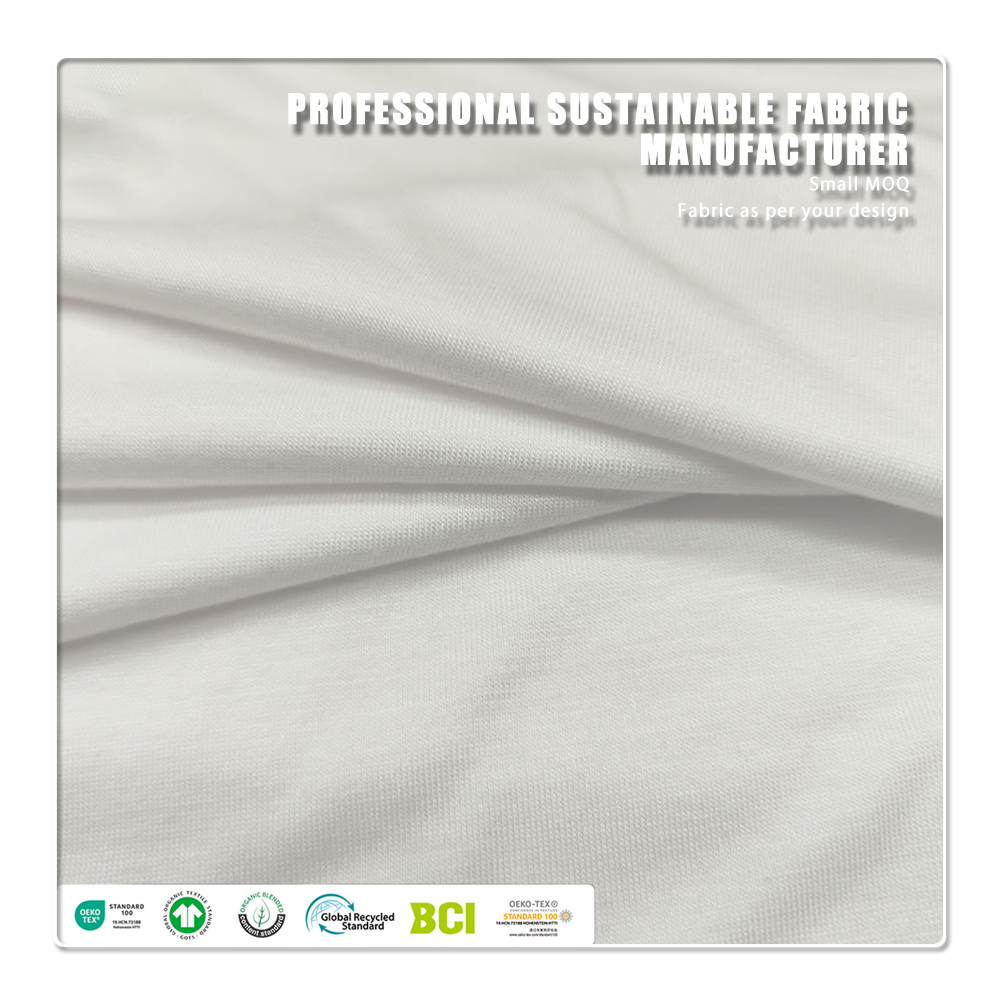
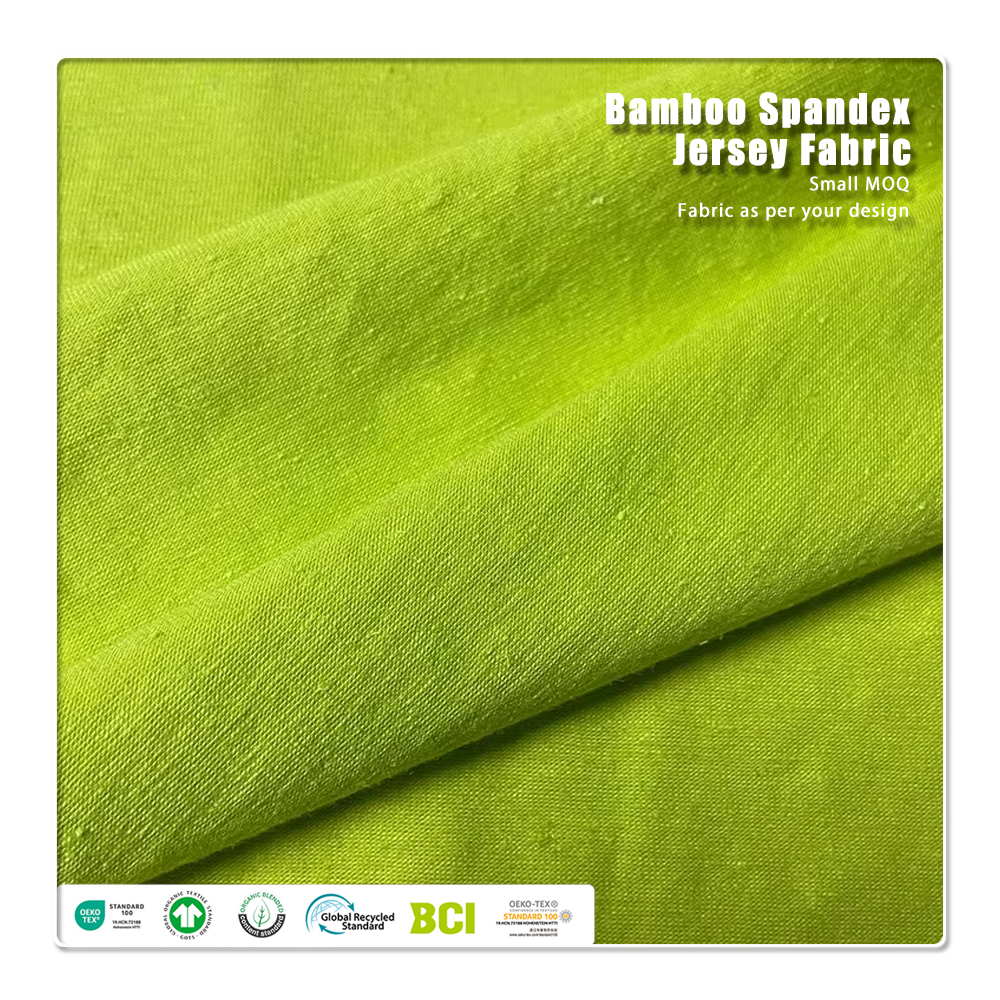
Modal fabric stretch is an innovative textile solution that combines the luxurious feel of modal fibers with the flexibility that modern garments require. As a B2B buyer in the textile industry, you might prioritize factors such as quality, sourcing, and application suitability when considering modal fabric stretch for your projects. This article will walk you through critical considerations, quality evaluation methods, effective purchasing strategies, cost factors, and common challenges associated with modal fabric stretch, ensuring you make informed decisions that align with your business needs.

How to Evaluate the Quality of Modal Fabric Stretch for Wholesale

Evaluating the quality of modal fabric stretch is essential for ensuring that the material meets your standards and those of your customers. Start by examining the fabric’s certifications, which can indicate compliance with quality and safety standards. For instance, fabrics certified by GRS (Global Recycled Standard) provide assurance of recycled content and sustainable production practices.

Next, consider the fabric's technical specifications, such as color fastness and shrinkage rates. High-quality modal fabric typically exhibits a color fastness rating of 4-5 and shrinkage below 5%, as is the case with products from reputable manufacturers. Request samples to conduct physical assessments, focusing on the fabric's stretchability, feel, and durability under various conditions.

Another critical aspect of quality evaluation is the consistency of the manufacturing process. A manufacturer with a robust quality control system and experienced personnel can help minimize defects, ensuring that every batch of fabric meets your specifications. Inquire about their inspection processes and how they address any discrepancies that may arise during production.
A Buyer's Guide

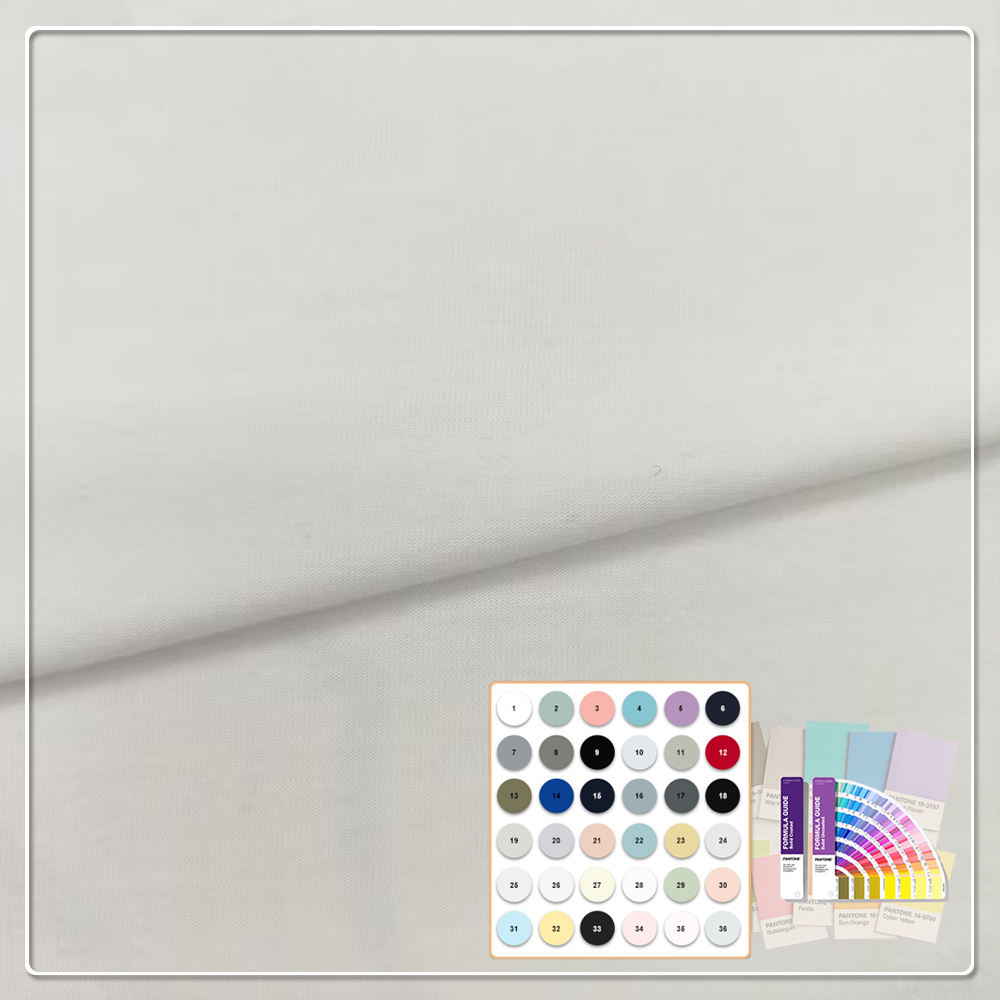
As a buyer, preparing for a successful procurement of modal fabric stretch involves several steps. Begin by defining your project’s requirements, including the intended use, desired properties (such as softness and elasticity), and any specific color or design needs. This clarity will help streamline communication with potential suppliers.

When requesting quotations (RFQs), provide detailed information, including fabric type, model, dimensions, and expected quantities. This information enables suppliers to give accurate pricing and lead time estimates. It’s also beneficial to specify any customization requirements, such as unique patterns or finishes, to ensure the final product aligns with your vision.

Don't overlook the importance of sample approvals before mass production. Request physical samples from the manufacturer to assess their quality and performance under real-world conditions. Testing the samples for durability, stretch, and comfort can save you from potential issues in the final product. Establishing clear communication with your supplier throughout this process can foster a collaborative relationship and facilitate more efficient problem-solving.

Cost Factors to Consider When Purchasing Modal Fabric Stretch

Understanding the cost factors associated with modal fabric stretch is crucial for maintaining budgetary control while ensuring quality. The primary cost determinants include the quality of raw materials, production processes, and any customization requirements. For instance, fabrics made from high-quality Tencel Modal fibers often command higher prices due to their superior feel and performance.

Quantity also plays a significant role in pricing. Manufacturers typically offer better rates for larger orders, reflecting economies of scale. However, be wary of potential hidden costs, such as shipping, tariffs, and minimum order quantities, which can impact overall expenditure.

Finally, it’s important to consider the lead time associated with your order. Longer lead times can sometimes correlate with lower prices, but this trade-off may not be ideal for urgent projects. Balancing cost with quality and delivery timelines is essential for making a sound purchasing decision.

Common Problems with Modal Fabric Stretch and Effective Solutions

While modal fabric stretch offers many advantages, buyers should be aware of potential challenges that may arise during sourcing and production. One common problem is the variability in fabric quality across different batches. To mitigate this risk, establish a strong working relationship with your supplier and insist on consistent quality control measures, including pre-production samples for verification.

Another issue may be related to fabric care and maintenance. Modal fabrics can sometimes require specific washing instructions to maintain their appearance and performance. Clear communication about care guidelines should be included with your products to inform end-users and minimize complaints.

Lastly, stretch fabrics can sometimes lose their elasticity over time if not produced correctly. Ensuring that your supplier employs high-quality elastic fibers and adheres to best practices in production can help maintain the fabric's stretchability. Regular testing and quality inspections throughout the manufacturing process can further safeguard against these issues, ensuring a superior end product.

Navigating the procurement of modal fabric stretch requires a solid understanding of sourcing, quality evaluation, cost considerations, and potential challenges. By focusing on these critical elements, you can make informed decisions that enhance the success of your projects and satisfy your customers.

What to Consider When Sourcing Modal Fabric Stretch for Projects

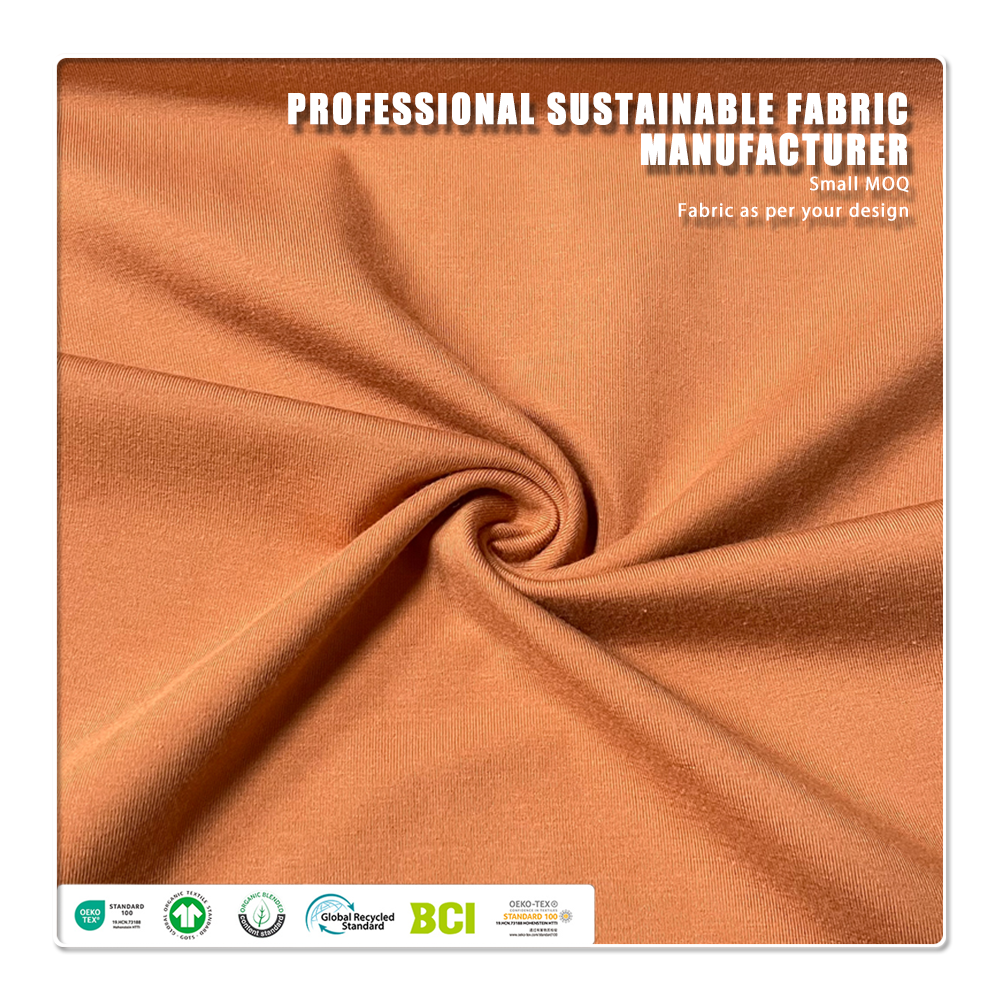
When sourcing modal fabric stretch, several key factors warrant consideration to ensure optimal alignment with your project requirements. Firstly, assess the fiber composition, as modal is often blended with other materials such as cotton or elastane to enhance its stretchability and comfort. Understanding the desired end-use of the fabric is crucial—whether for activewear, casual clothing, or home textiles—as this will influence the required specifications.

Additionally, consider the certification of the fabric. Given the heightened focus on sustainability, sourcing from manufacturers like Shaoxing City Ohyeah Textile Co., Ltd., which holds certifications such as OEKO-TEX and GOTS, can assure you of eco-friendly practices in the production process. Be sure to discuss customization capabilities to tailor the fabric’s characteristics, such as weight, texture, and color, to fit your specific requirements. For eco-conscious buyers, exploring options like Organic Cotton Fabric might provide additional sustainable alternatives.

Lastly, evaluate the minimum order quantities (MOQ) and lead times. This is particularly important for large-scale projects where timing is critical. A manufacturer that can accommodate flexible order sizes and expedite production can significantly streamline your supply chain.

Our Blog Posts

How Tencel Modal Improves Fabric Flexibility for Activewear

29

May

How Tencel Modal Improves Fabric Flexibility for Activewear

There's something special that activewear needs. It has to stretch and return to shape. It has to be comfortable against the skin during strenuous activity. And now it must come from sustainable sources. It's precisely this amazing flexibil...
View More
How Modal Tencel Material Creates Better Everyday Textile Collections

13

Oct

How Modal Tencel Material Creates Better Everyday Textile Collections

For casual wear, you don't want to go cheap. Today's consumers want clothing that is incredibly soft, wears as they wear and is always in style and looks great. A good combination of the ‘feel good, works well, looks good’ in a complete r...
View More
What Makes Tencel Lyocell a Preferred Fabric for Fashion Brands

13

Oct

What Makes Tencel Lyocell a Preferred Fabric for Fashion Brands

Today's fashion world demands that brands align with consumers' growing preference for sustainable fashion—without compromising comfort or style. Many sustainable materials are out there now, Tencel lyocell is undoubtedly on top as the choice f...
View More
Why Tencel Lyocell Material Is Trusted by Premium Clothing Manufacturers

13

Oct

Why Tencel Lyocell Material Is Trusted by Premium Clothing Manufacturers

When there's a lot of losing to do in the quality department, it's about the brand's made of. The best quality makers understand they should be creating garments with top quality fabrics. They must have high standards of reliability, performance and ...
View More

Get a Free Quote

Our representative will contact you soon.
Email
Name
Mobile/WhatsApp
Company Name
Message
0/1000

Related product categories

Get a Free Quote

Our representative will contact you soon.
Email
Name
Mobile/WhatsApp
Company Name
Message
0/1000