EN
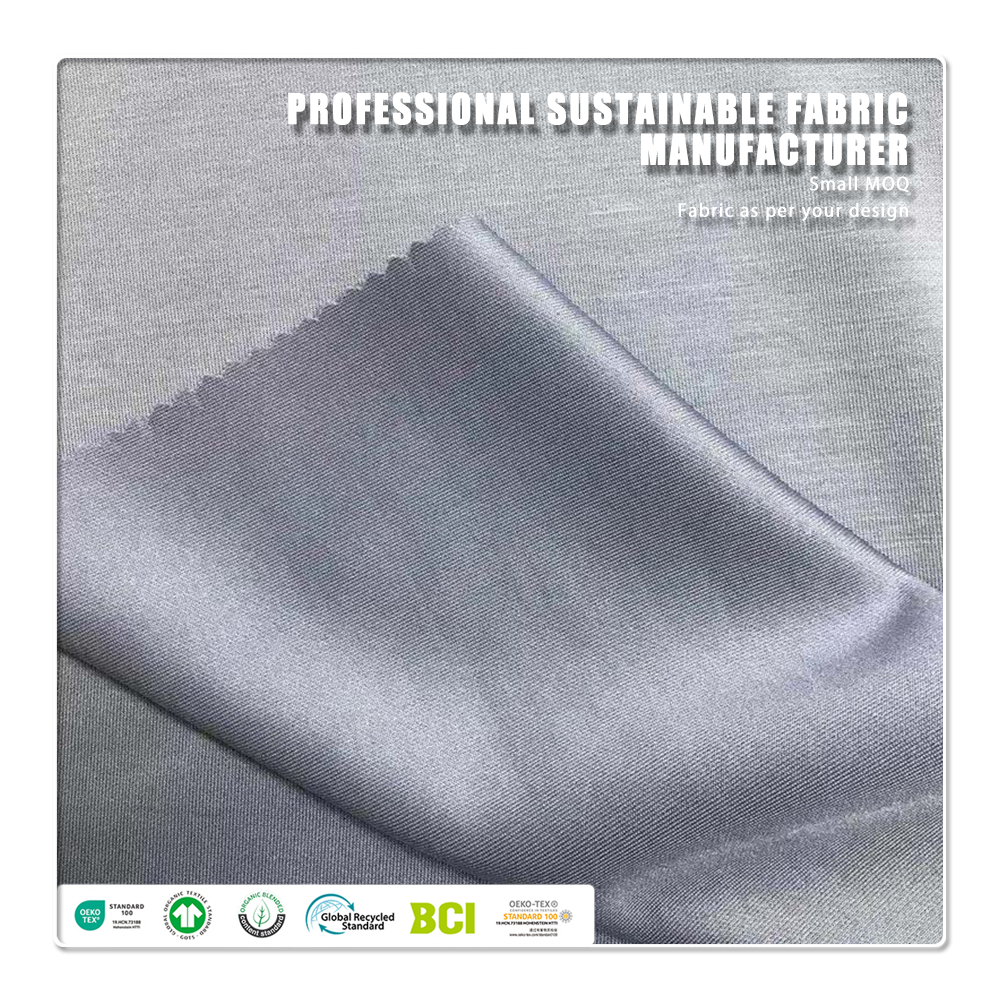
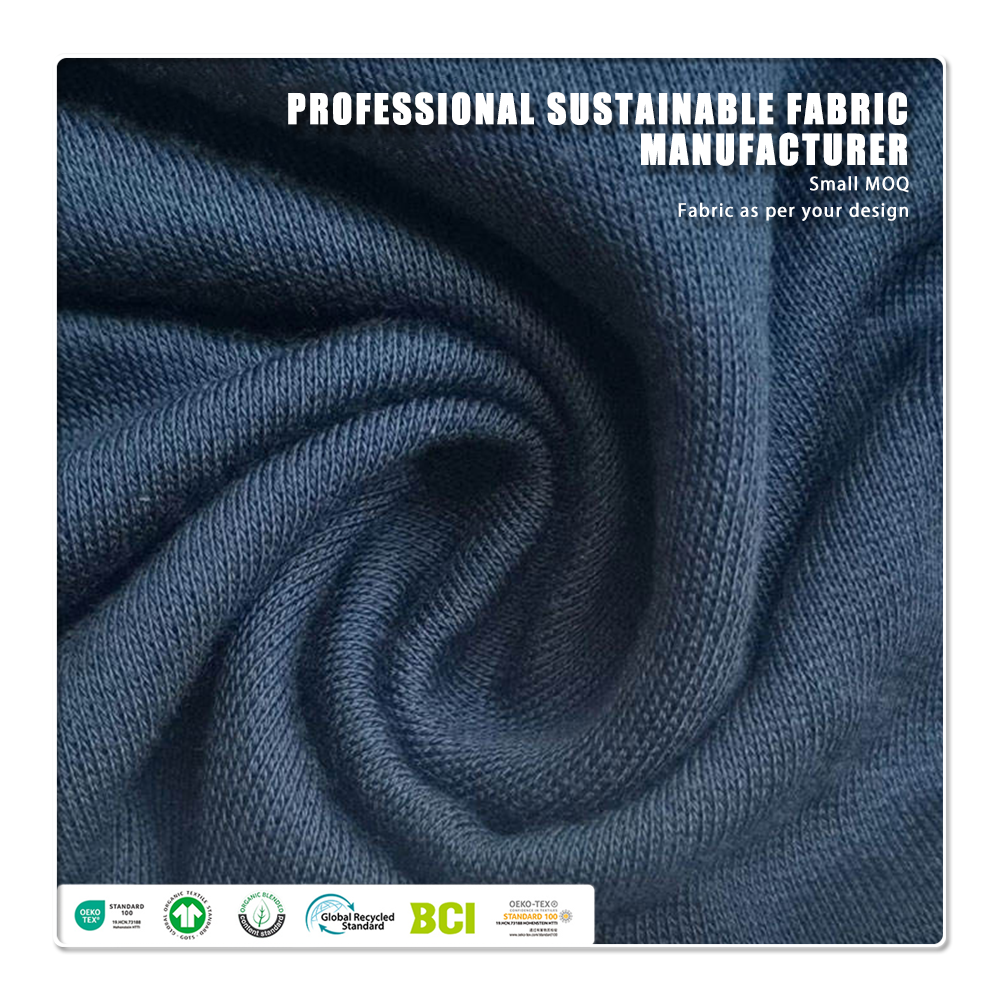
When selecting materials for your next project, understanding the nuances of a modal in fabric can significantly impact your product's quality and sustainability. Modal, a type of semi-synthetic fiber made from beech tree pulp, is known for its softness, breathability, and eco-friendly attributes. As B2B buyers, purchasing managers, and product engineers, your main concerns likely revolve around material performance, sourcing reliability, and sustainability. This article will guide you through the essential factors to consider when working with eco-friendly fabrics, particularly modal, ensuring you make informed decisions that align with your project's goals.
How to Evaluate the Quality of Knitted Fabrics for Wholesale Orders
Evaluating the quality of knitted fabrics, particularly those made from modal or similar eco-friendly materials, involves several critical steps:
Fabric Composition: Confirm the fiber content through lab tests or certification documents. Modal, often blended with other fibers, should ideally maintain a high percentage to ensure the desired softness and performance.
Weight and Thickness: The weight of the fabric, measured in grams per square meter (GSM), directly affects its durability and application suitability. For instance, heavier weights are generally more durable and suitable for outerwear, while lighter weights may be preferable for garments requiring drape.
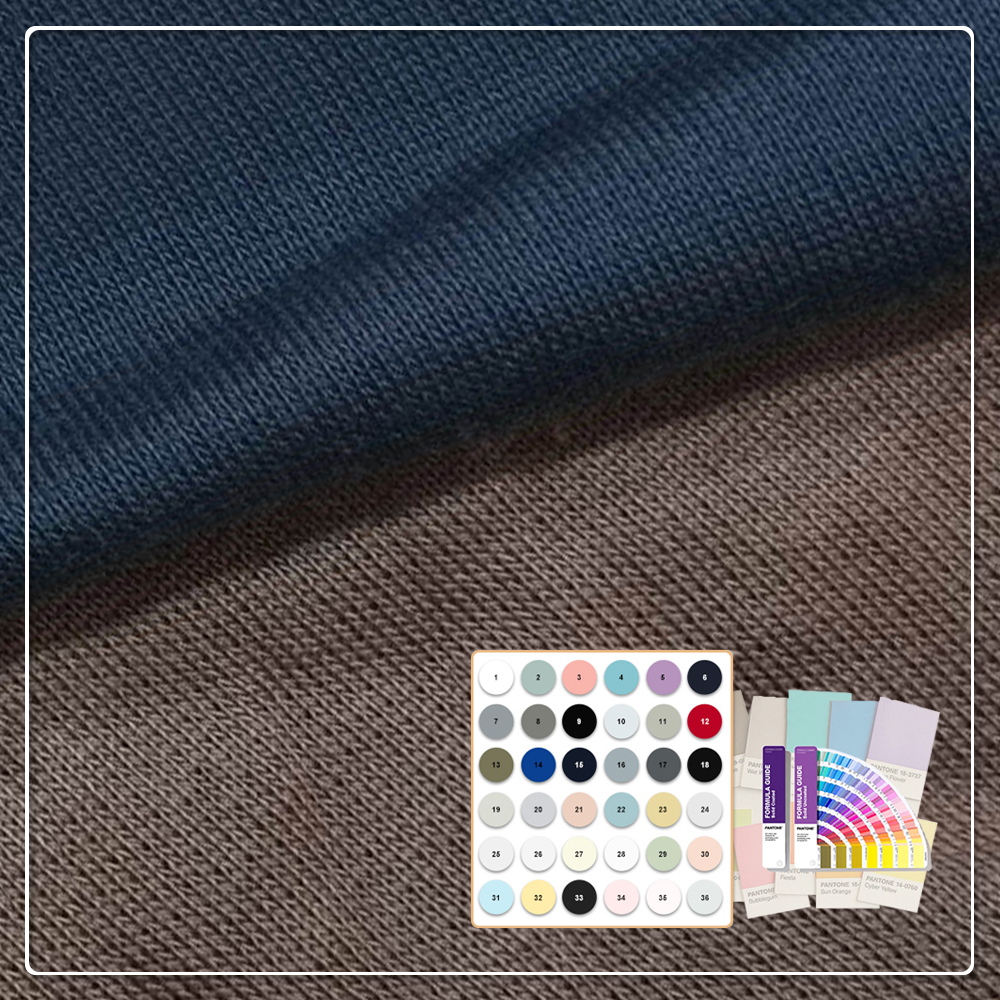
Visual and Textural Inspection: Physically inspect fabric samples for defects such as uneven knitting, pilling, or color inconsistencies. The fabric should feel smooth and have a consistent appearance throughout.
Performance Tests: Conduct tests for color fastness, shrinkage, and stretch recovery. Modal typically offers good color retention and low shrinkage rates, which are critical for maintaining the quality of the final product.
By implementing these evaluation methods, you can confidently assess the quality of knitted fabrics for your wholesale orders.