Key Considerations for Modal Material Sourcing

Get a Free Quote

Our representative will contact you soon.
Email
Name
Mobile/WhatsApp
Company Name
Message
0/1000

modal material

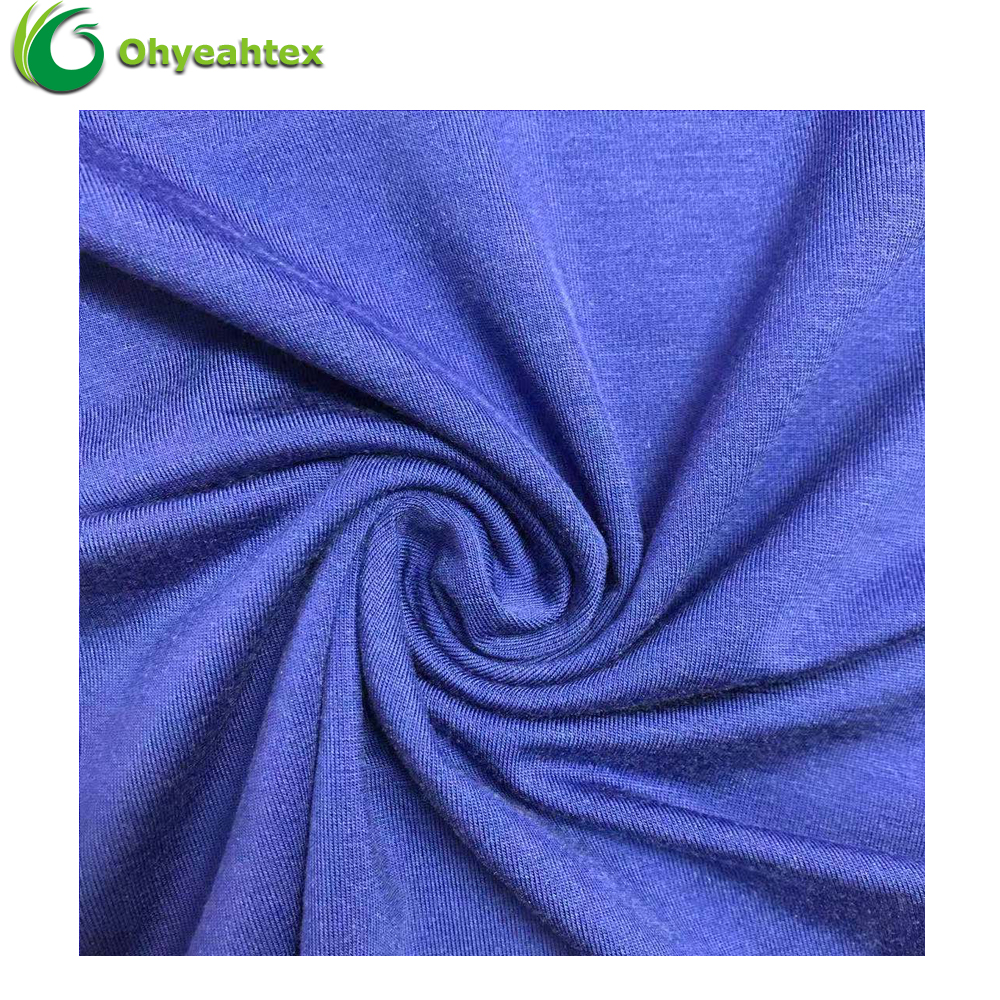
Choosing the right modal material is essential for manufacturers and product managers seeking sustainable and high-quality textiles. Modal fabrics are known for their softness, breathability, and eco-friendliness, making them a popular choice in various applications. However, buyers often face challenges in assessing the quality, specifications, and sourcing reliable suppliers. This article will guide you through the critical considerations when selecting modal material, helping you make informed decisions for your projects.

Key Specifications of Eco-Friendly Modal Material for Bulk Orders

When ordering modal material in bulk, it is essential to focus on specific specifications that impact the fabric's performance and usability. Key specifications to consider include:

Weight and Thickness: The weight of modal fabric is typically measured in grams per square meter (GSM). A heavier GSM indicates a thicker fabric, which may be more suitable for colder climates or structured garments. Lighter fabrics are ideal for summer wear or soft draping.

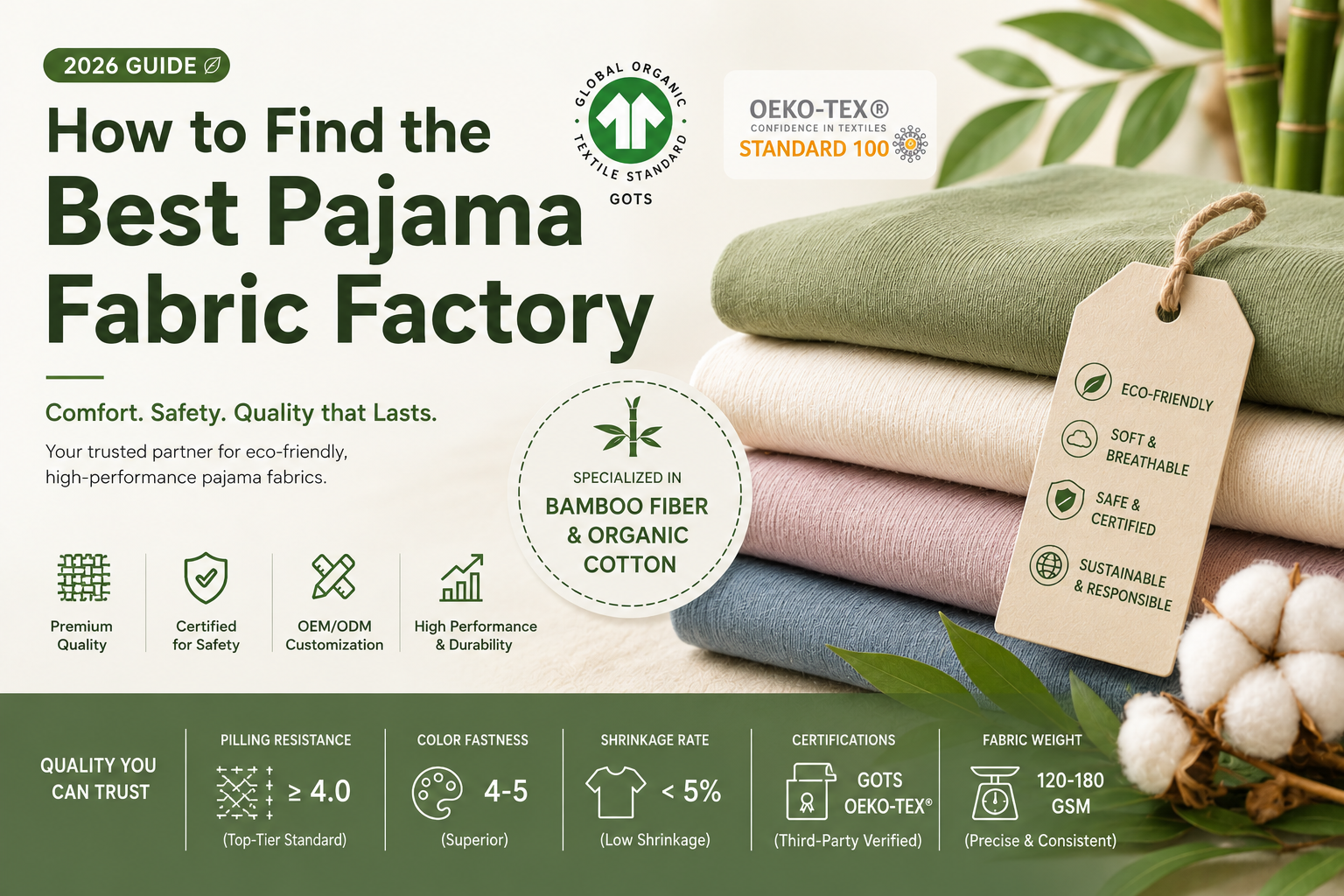
Color Fastness: As mentioned earlier, color fastness ratings from 4 to 5 ensure the fabric maintains its color after multiple washes. This is particularly important for products that will undergo regular cleaning.

Shrinkage: A shrinkage rate of less than 5% is generally acceptable for modal fabrics. It's essential to confirm this with the supplier to avoid any surprises post-manufacturing.

Moisture Management: Modal has excellent moisture-wicking properties, making it suitable for activewear. Verify the fabric's ability to absorb moisture and dry quickly, especially if the end product is intended for high-performance use.

Environmental Certifications: Check for certifications like GRS (Global Recycled Standard) and OCS (Organic Content Standard). These ensure the modal material meets specific environmental and social criteria during production.

Understanding these specifications will help you make informed decisions regarding the modal fabrics you choose for your bulk orders.
Where to Source Reliable Suppliers of High-Quality Modal Fabrics

Finding trustworthy suppliers for modal fabrics is crucial for ensuring the quality and sustainability of your products. Start by researching manufacturers with a proven track record in the textile industry. Look for companies that hold relevant certifications, such as OEKO-TEX and GOTS, which indicate adherence to environmental and safety standards.

Networking at trade shows and industry events can also be beneficial. These venues allow you to meet suppliers in person, assess their offerings, and discuss your specific needs. Additionally, consider reaching out to industry associations for recommendations on reputable suppliers.

When evaluating potential suppliers, request samples to assess the fabric's quality firsthand. Ensure that they can meet your bulk order requirements, including minimum order quantities (MOQ), production capacity, and lead times. A supplier with a strong quality control process will help ensure consistency across your orders.

Comparing Modal Fabric with Other Eco-Friendly Materials for Buyers

As a buyer, understanding how modal fabric compares to other eco-friendly materials can help you make a better selection for your projects. Here are some key comparisons to consider:

Modal vs. Bamboo: Both materials are derived from natural sources and are biodegradable. However, modal is often softer and has better moisture-wicking properties, making it a popular choice for activewear. Bamboo fabrics tend to be more durable but may require more care in washing to maintain their properties.

Modal vs. Organic Cotton: Organic cotton is prized for its sustainability; however, it may not match modal's softness and drape. Modal fabrics generally offer better color retention and shrinkage control, making them suitable for long-lasting garments.

Modal vs. Recycled Polyester: While recycled polyester is a durable and moisture-resistant option, it is synthetic and may not offer the breathability of modal. Modal is often preferred for applications requiring softness and comfort against the skin, such as sleepwear and undergarments.

Modal vs. Lyocell: Lyocell fabrics, also known as Tencel, share many properties with modal, including softness and breathability. However, Lyocell is produced using a more environmentally friendly closed-loop process. Depending on your sustainability goals, either could be a suitable option.

Understanding these differences allows buyers to select the right fabric for their specific applications while balancing performance and sustainability.

Benefits of Using Modal Material in Sustainable Manufacturing Projects

Incorporating modal material into your manufacturing projects can yield numerous benefits, particularly regarding sustainability. Here are some key advantages:

Sustainability: Modal fabric is produced from beech tree pulp, which is sourced from sustainable forests. The production process uses less water than conventional cotton, making it an environmentally friendly option for textiles.

Softness and Comfort: Modal is renowned for its luxurious feel against the skin. This softness makes it an ideal choice for clothing, bedding, and other textiles where comfort is a priority.

Durability: Modal is resistant to shrinkage and fading, ensuring that products made from this fabric maintain their appearance and functionality over time. This durability can lead to fewer replacements and less waste.

Versatility: Modal can be blended with other fibers to enhance its properties, making it suitable for a wide range of applications from casual wear to high-end fashion. Its adaptability allows manufacturers to meet diverse consumer demands.

Moisture Management: Modal's ability to wick moisture away from the body makes it an excellent choice for activewear and undergarments. This property enhances comfort during wear, particularly in warm conditions.

In summary, modal material offers a blend of sustainability, comfort, and performance, making it a valuable asset for manufacturers committed to eco-friendly practices. By understanding the specifications and sourcing reliable suppliers, you can harness the advantages of modal fabric in your projects.

What to Consider When Choosing Modal Material for Your Projects

When selecting modal material, several factors should be evaluated to ensure it meets your project requirements. First, consider the intended application of the fabric. Modal is well-suited for clothing, home textiles, and various industrial applications due to its soft feel and moisture-wicking properties.

Next, analyze the fabric's composition. High-quality modal is often blended with other materials, such as Organic Cotton Fabric or recycled polyester, to enhance its performance characteristics. Check for certifications like OEKO-TEX and GOTS, which indicate that the fabric has been tested for harmful substances and produced in an environmentally friendly manner.

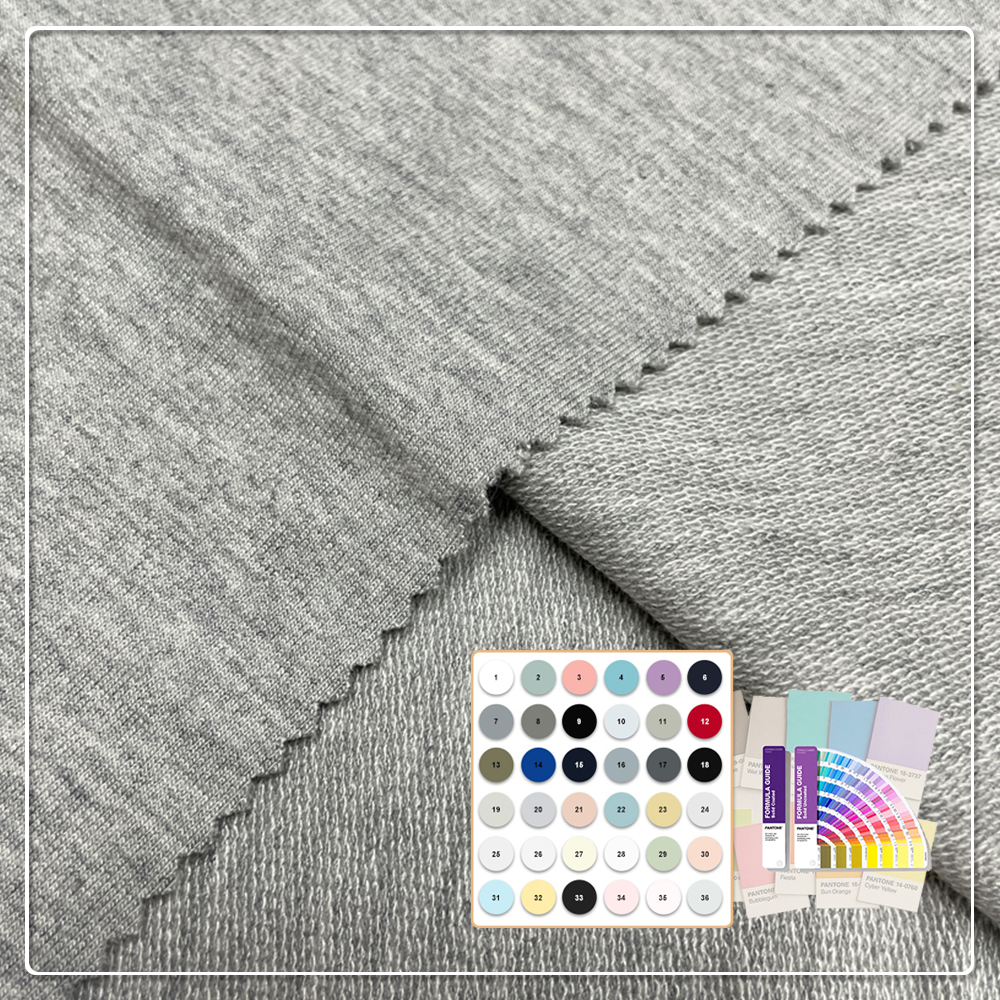
Another critical aspect is the modal fabric's durability, which includes color fastness and shrinkage rates. For example, fabrics with a color fastness rating of 4-5 and shrinkage below 5% are ideal for garments that require washing and wearing durability. Finally, consider the supplier's ability to provide customization options, such as colors, patterns, and finishes, to meet your specific design requirements.

Our Blog Posts

How bamboo fabric is made

04

Feb

How bamboo fabric is made

I am aware that bamboo fabric has swept the textile industry with its smooth touch, the technological breathing quality and some amazing eco-factors. In Shaoxing city Ohyeah Textile Co., Ltd. a registered producer of high quality bamboo fabrics we do...
View More
Top Pajama Fabric Factory Recommendation Guide 2026: Sourcing the Best Materials

08

May

Top Pajama Fabric Factory Recommendation Guide 2026: Sourcing the Best Materials

Executive Summary: How to Find the Best Pajama Fabric Factory Finding a top pajama fabric factory means looking for more than just a low price. The best factories focus on three things: comfort, safety, and quality that lasts. According to the latest...
View More
The Business Value of Choosing Tencel Lyocell Fabric for Bulk Orders

13

Oct

The Business Value of Choosing Tencel Lyocell Fabric for Bulk Orders

Selecting the best eco-friendly fabric for large-scale production can be an important business consideration for any brand that aims to grow its sustainable products range. Here at Ohyeah Textile, we have over 20 years experience and over this time, ...
View More
Why Tencel Modal’s Softness Outperforms Traditional Synthetic Fibers

13

Oct

Why Tencel Modal’s Softness Outperforms Traditional Synthetic Fibers

To find the supreme softness, the textile industry has always turned to utilizing synthetic fibers which may bring a silk-like degree of comfort at reasonable costs. But to discriminating brands, customers these guarantees are washed off with one lau...
View More

Get a Free Quote

Our representative will contact you soon.
Email
Name
Mobile/WhatsApp
Company Name
Message
0/1000

Related product categories

Get a Free Quote

Our representative will contact you soon.
Email
Name
Mobile/WhatsApp
Company Name
Message
0/1000