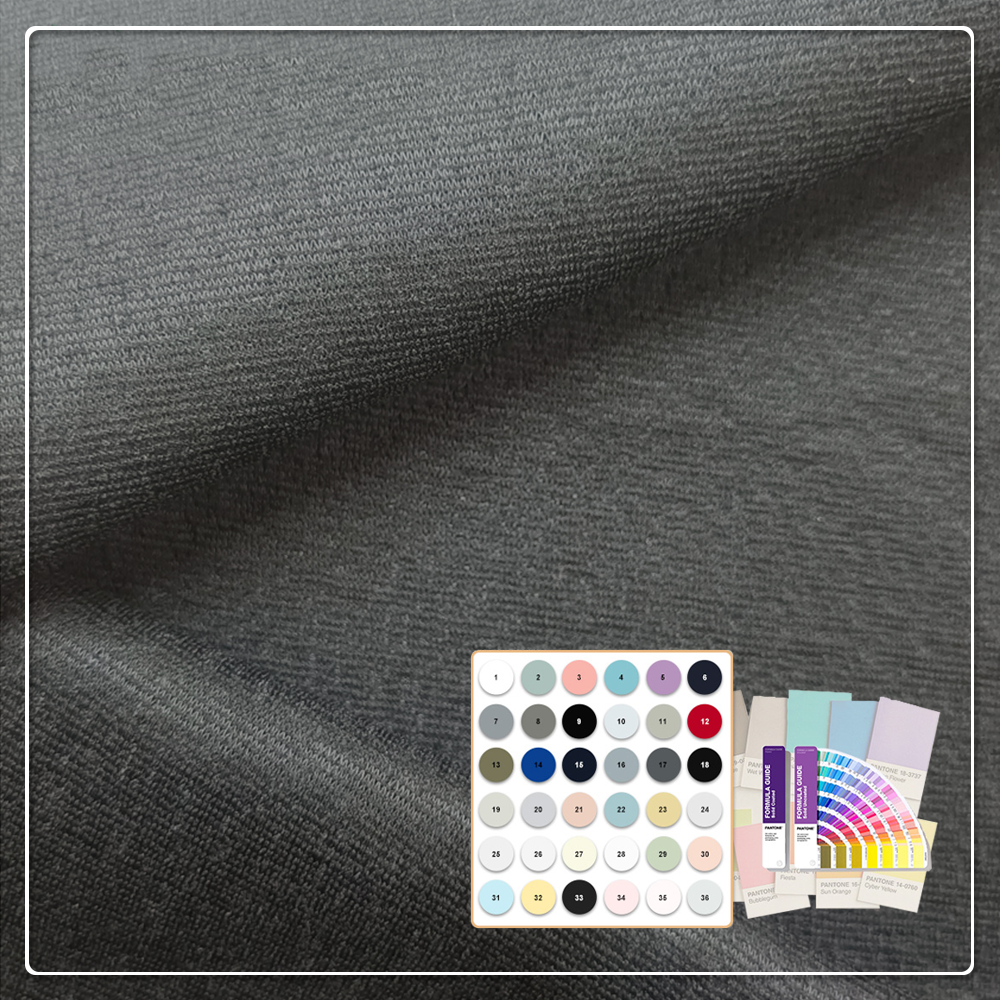
Biodegradable Cotton Cloth: Key Features & Suppliers

Get a Free Quote

Our representative will contact you soon.
Email
Name
Mobile/WhatsApp
Company Name
Message
0/1000

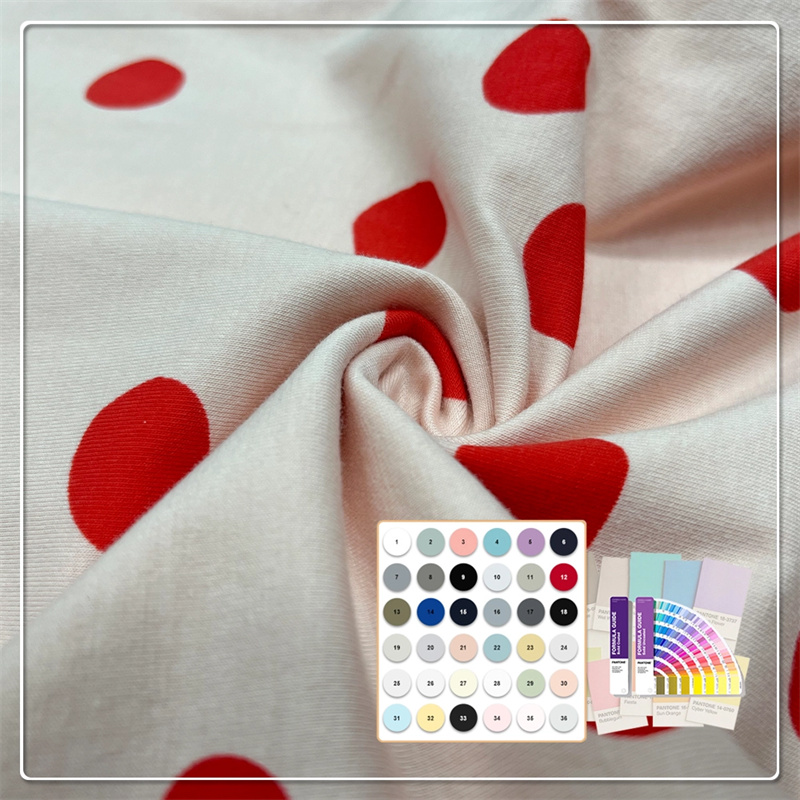
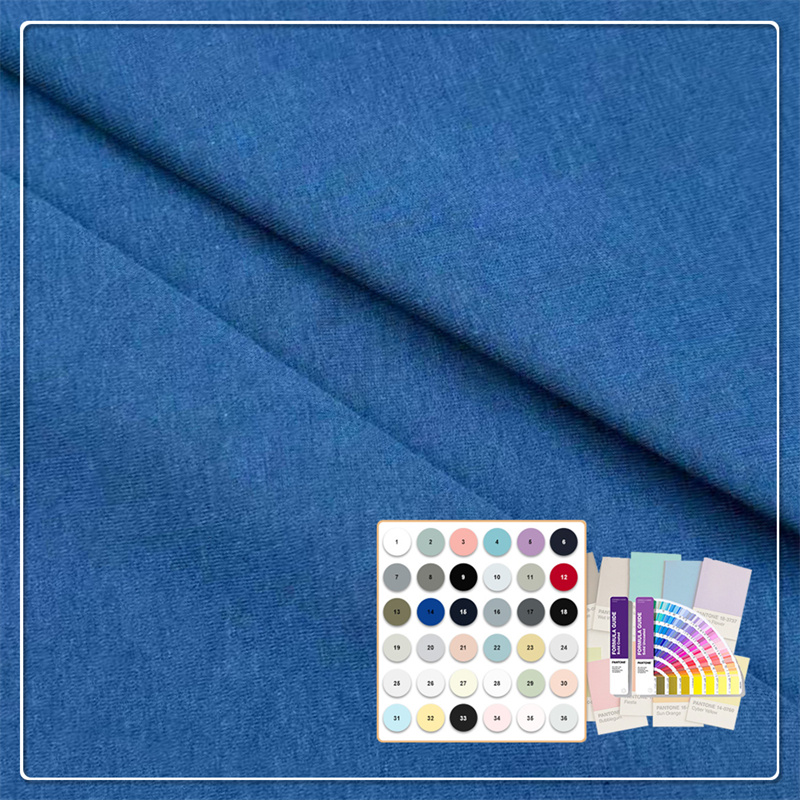
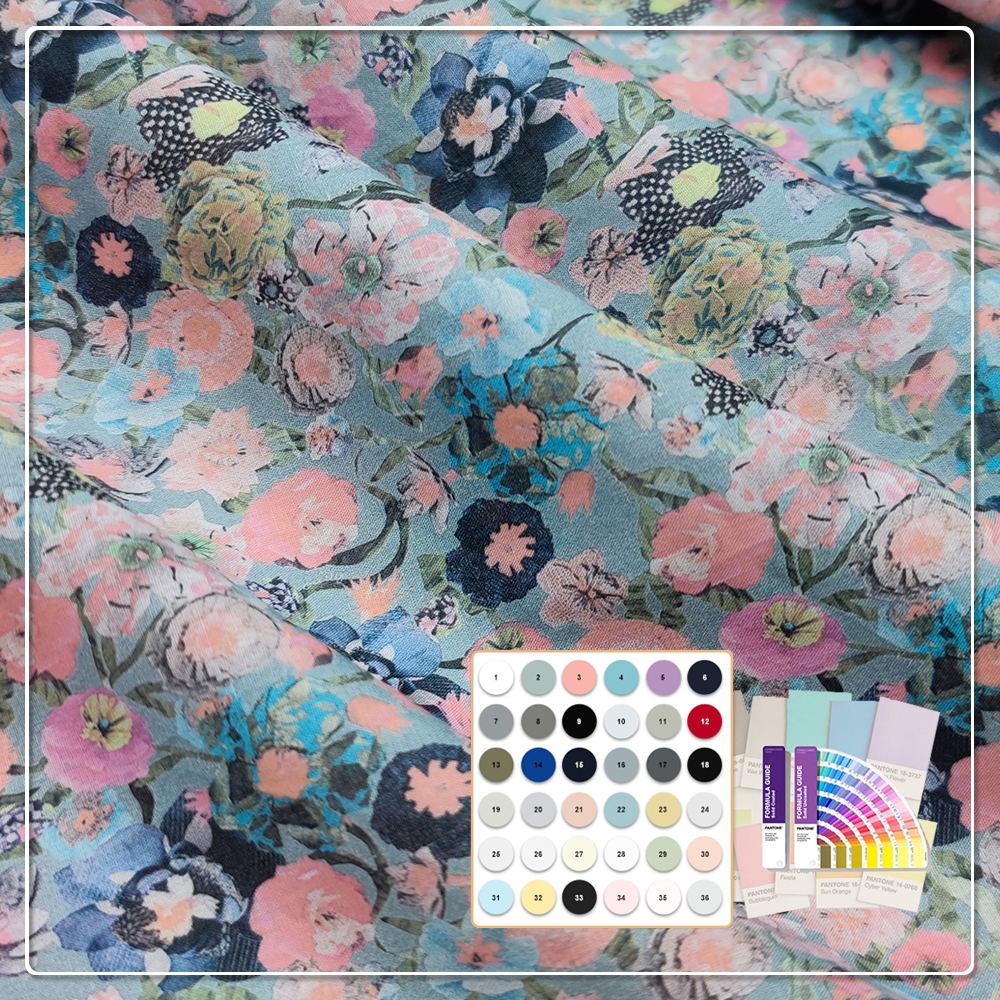
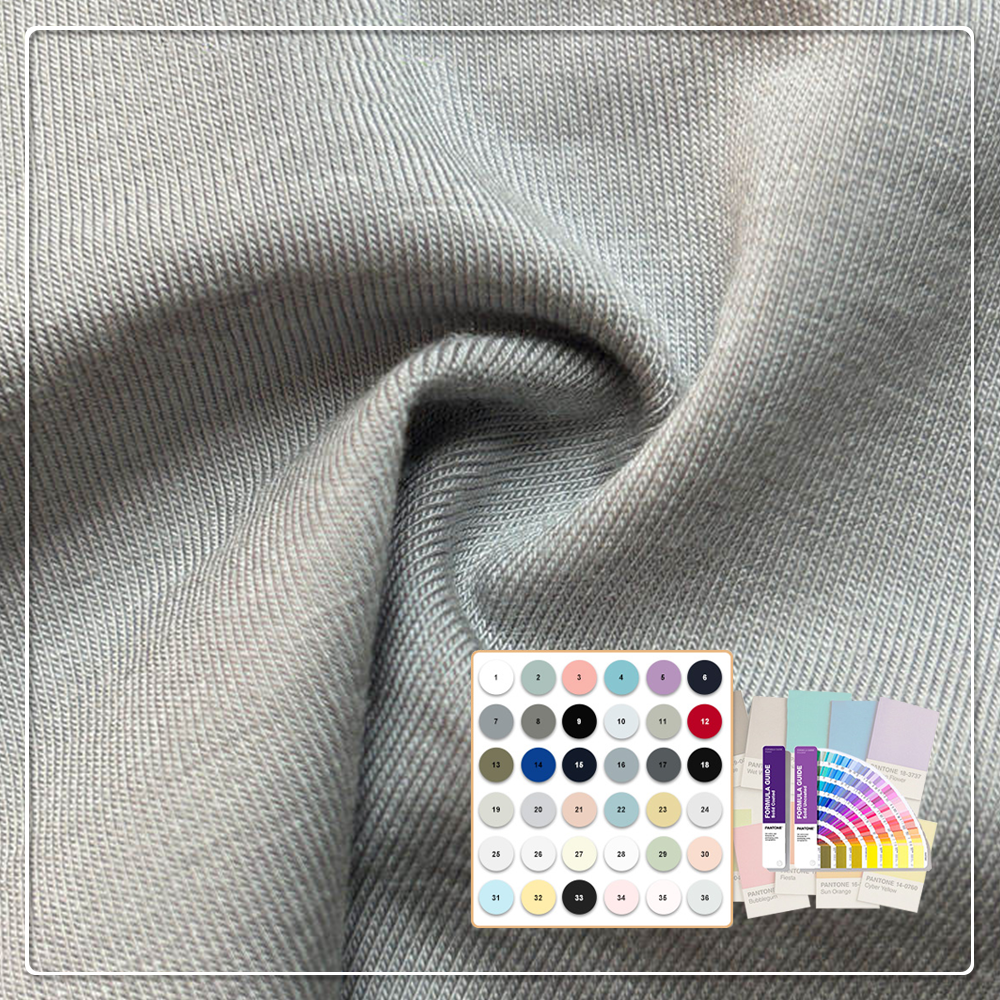
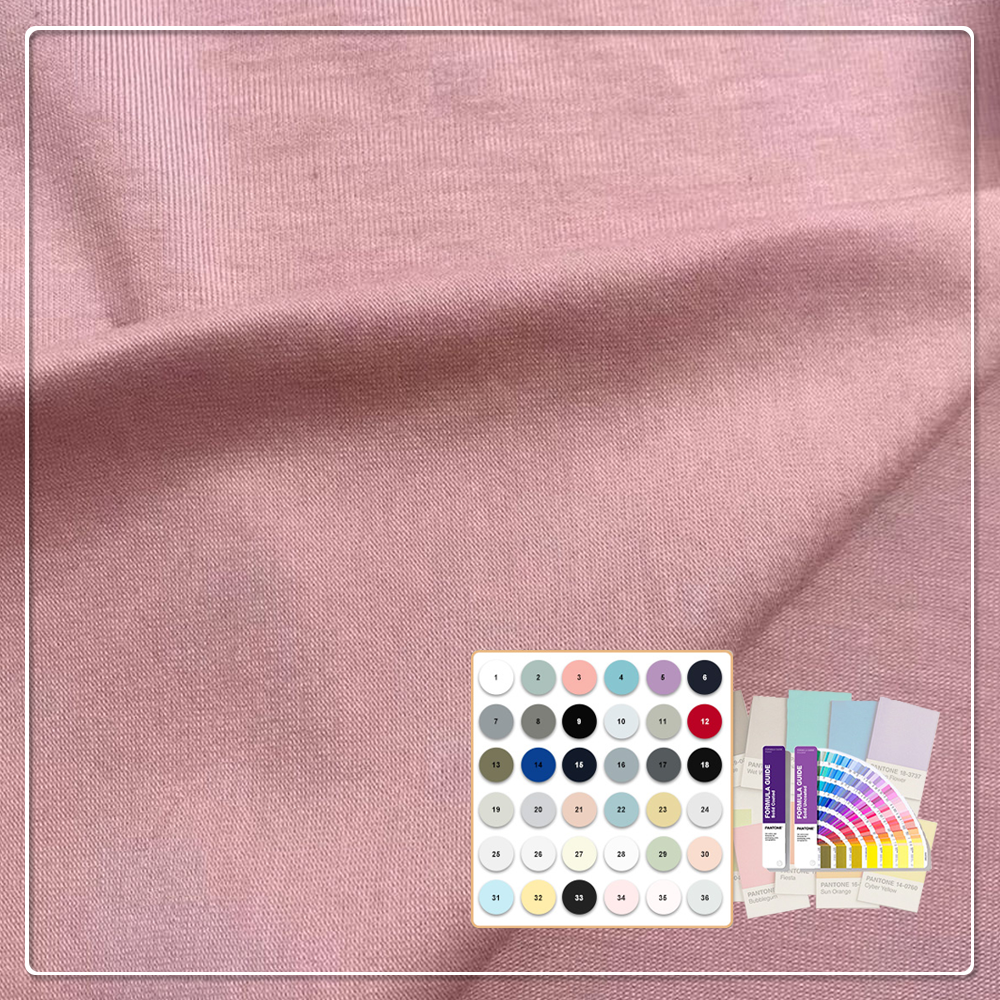
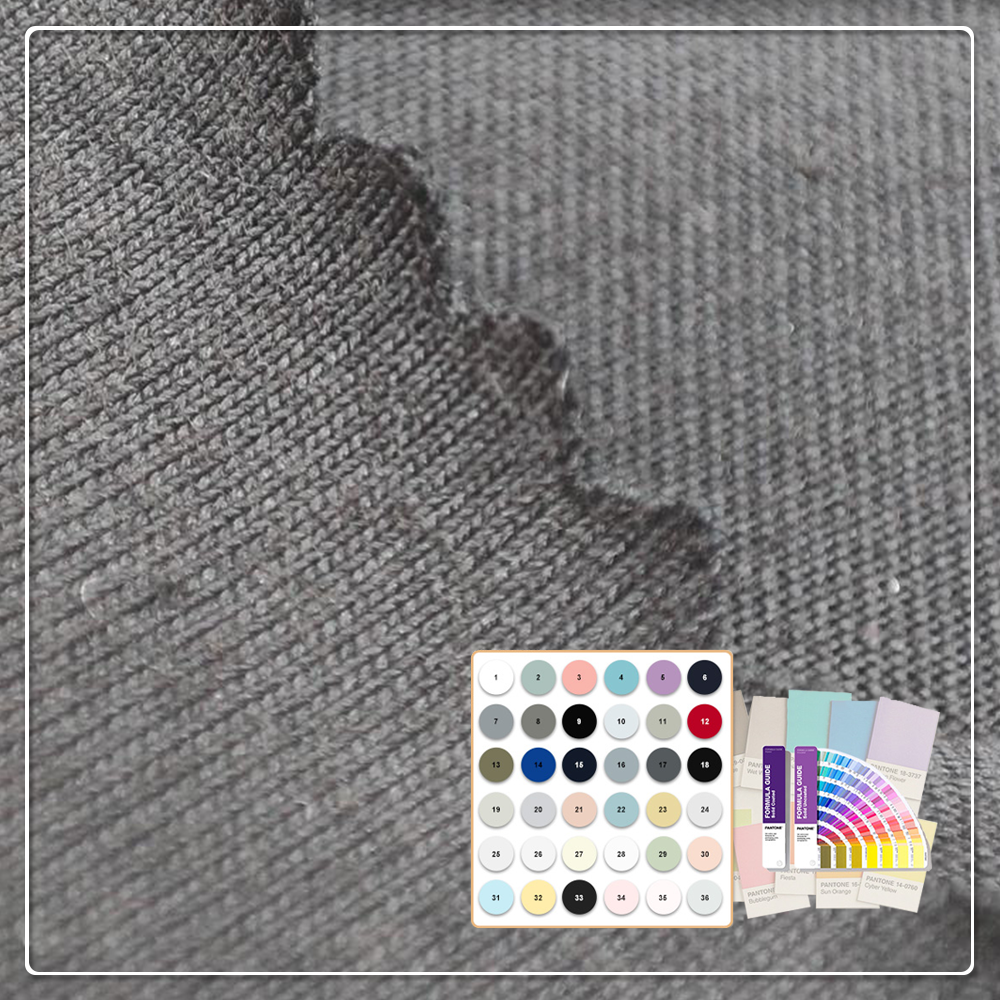
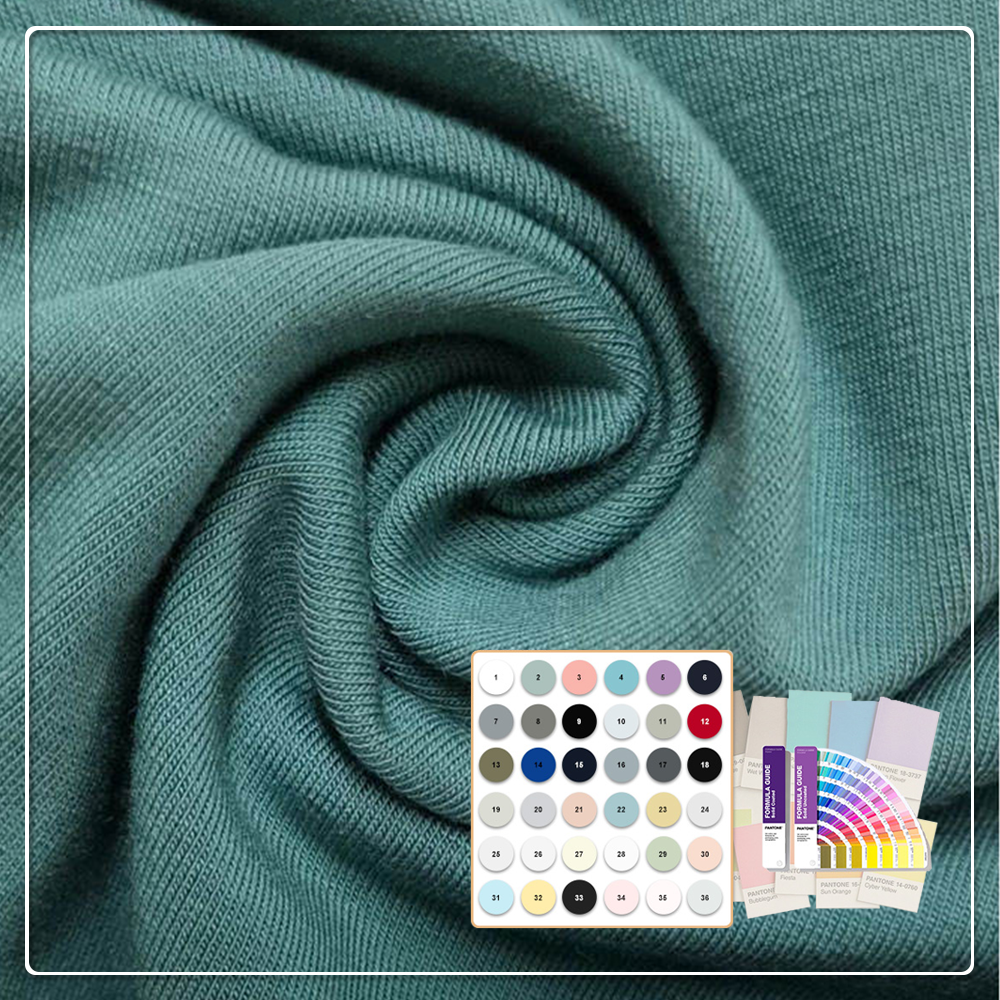
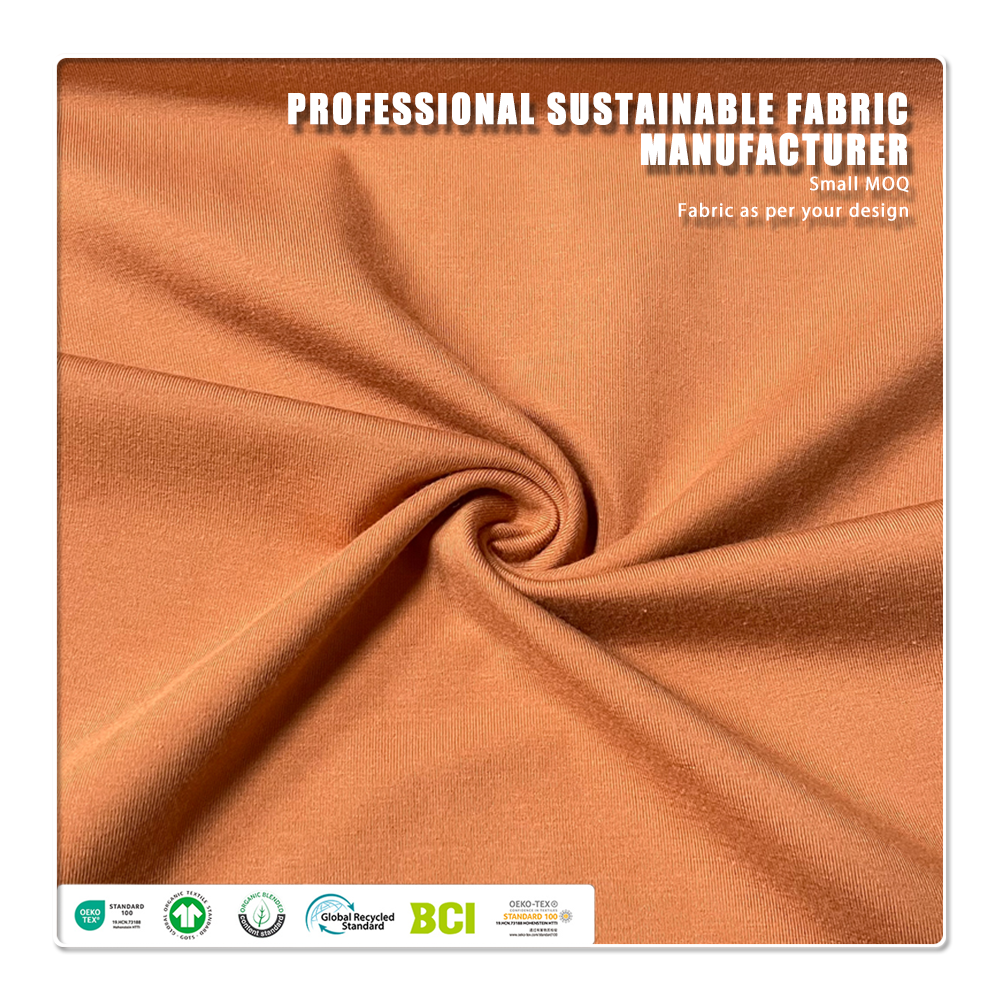
Cotton cloth biodegradable

Biodegradable cotton cloth is an eco-friendly textile option that offers sustainable solutions for various industries. As more companies prioritize sustainability, understanding the specifications, cost factors, applications, and challenges of eco cotton clothes become essential for purchasing managers and product developers. This article will provide critical insights into these aspects, helping you make informed decisions when considering Ohyeah biodegradable cotton cloth for your projects.
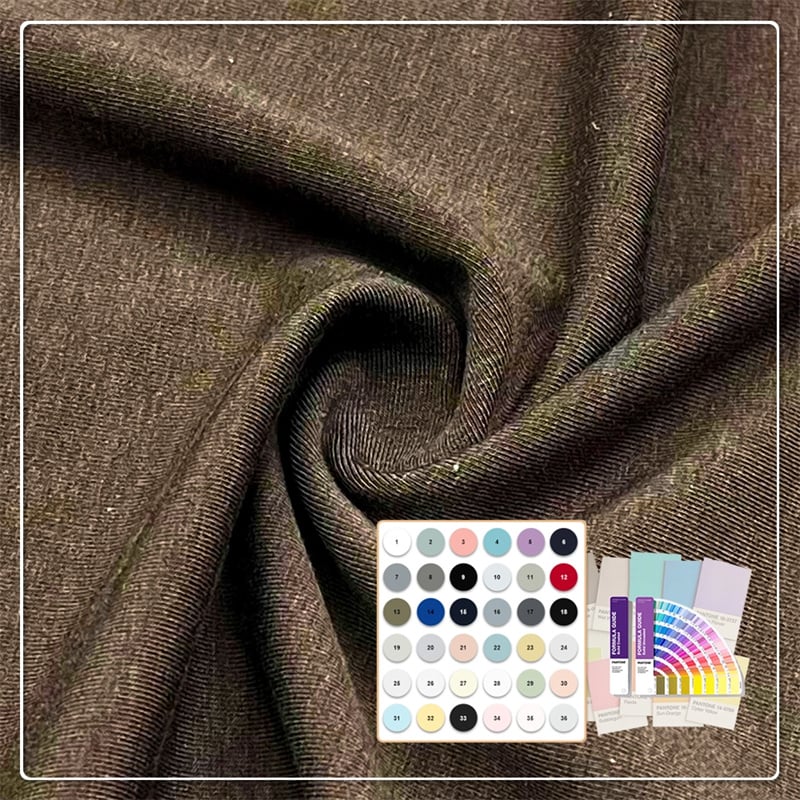
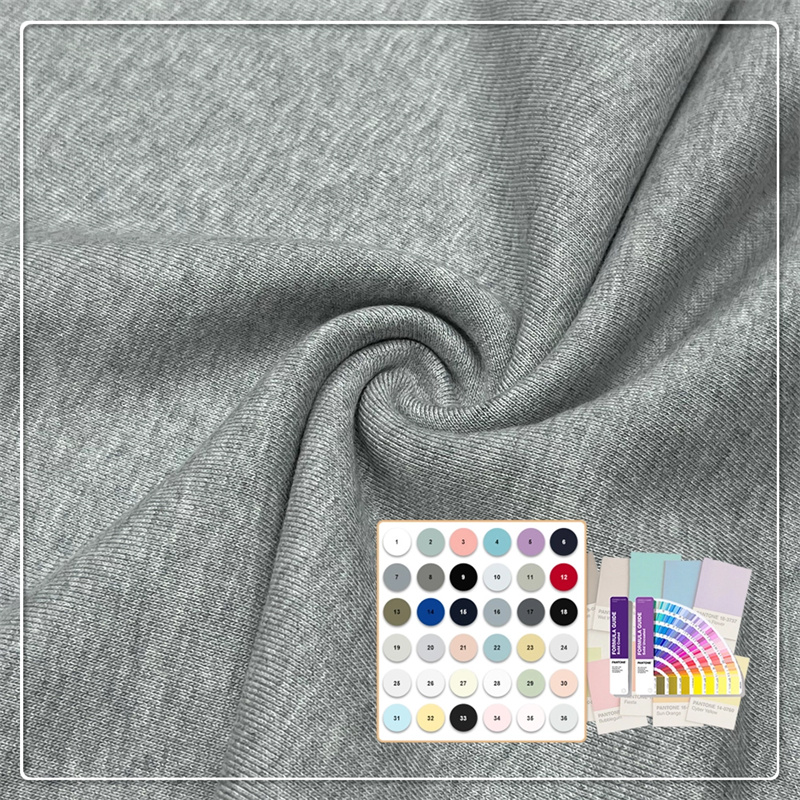
Our Products

Where to Find Reliable Suppliers of Biodegradable Cotton Cloth

Pricing for biodegradable cotton cloth can be influenced by several factors that buyers should consider for bulk orders: 

Material Costs: The price of organic cotton is typically higher than conventional cotton due to its cultivation process. Market fluctuations in cotton prices can also impact overall costs. 

Production Techniques: The manufacturing process for natural cotton clothing, including dyeing and finishing treatments, can add to the cost. Eco-friendly processes may require more investment in technology and expertise. 

Order Quantity: Bulk orders often benefit from economies of scale, reducing the per-unit cost. However, minimum order quantities (MOQs) should be clarified with suppliers, as some may have specific thresholds that can affect pricing. 

Customization Needs: Custom colors, patterns, or treatments can increase the cost. Buyers should provide detailed specifications during the RFQ process to get accurate pricing. 

Shipping and Handling: Since biodegradable materials may require special handling, it's essential to factor in shipping costs, particularly for international orders. Consideration should also be given to lead times for production and delivery.
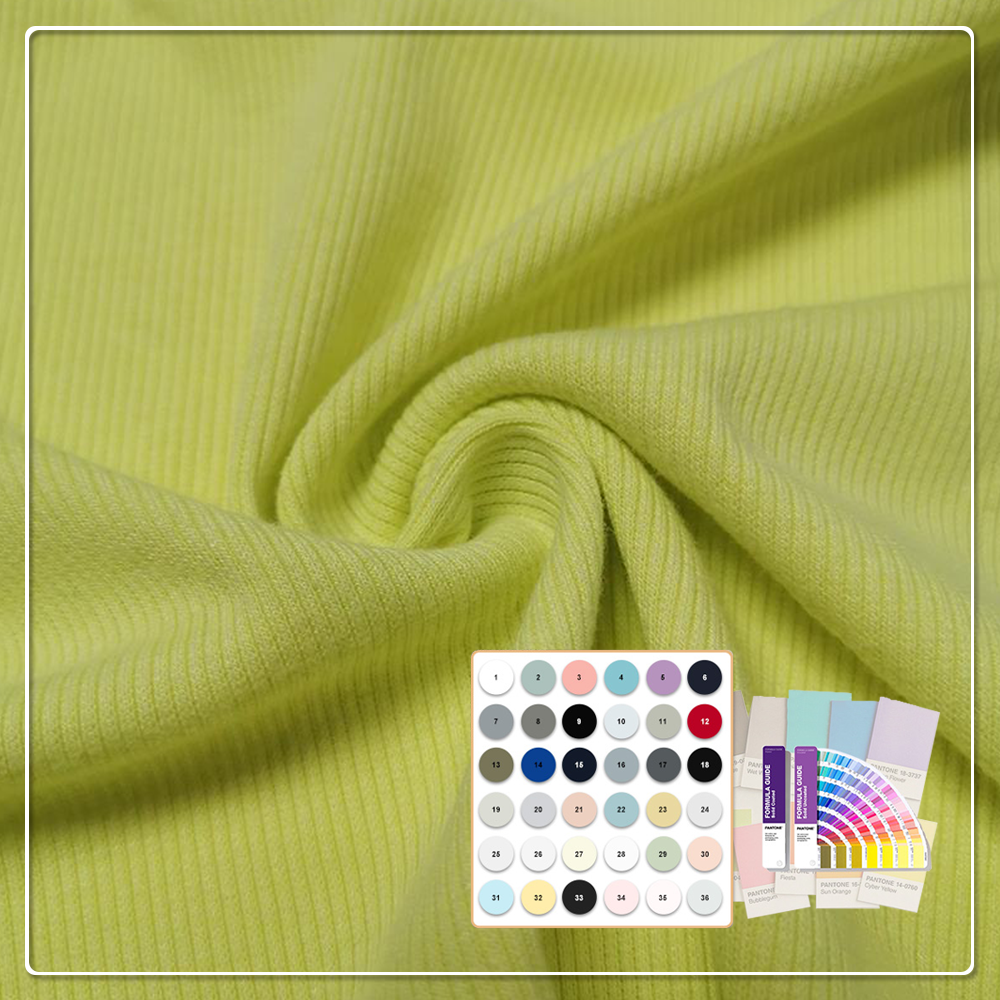
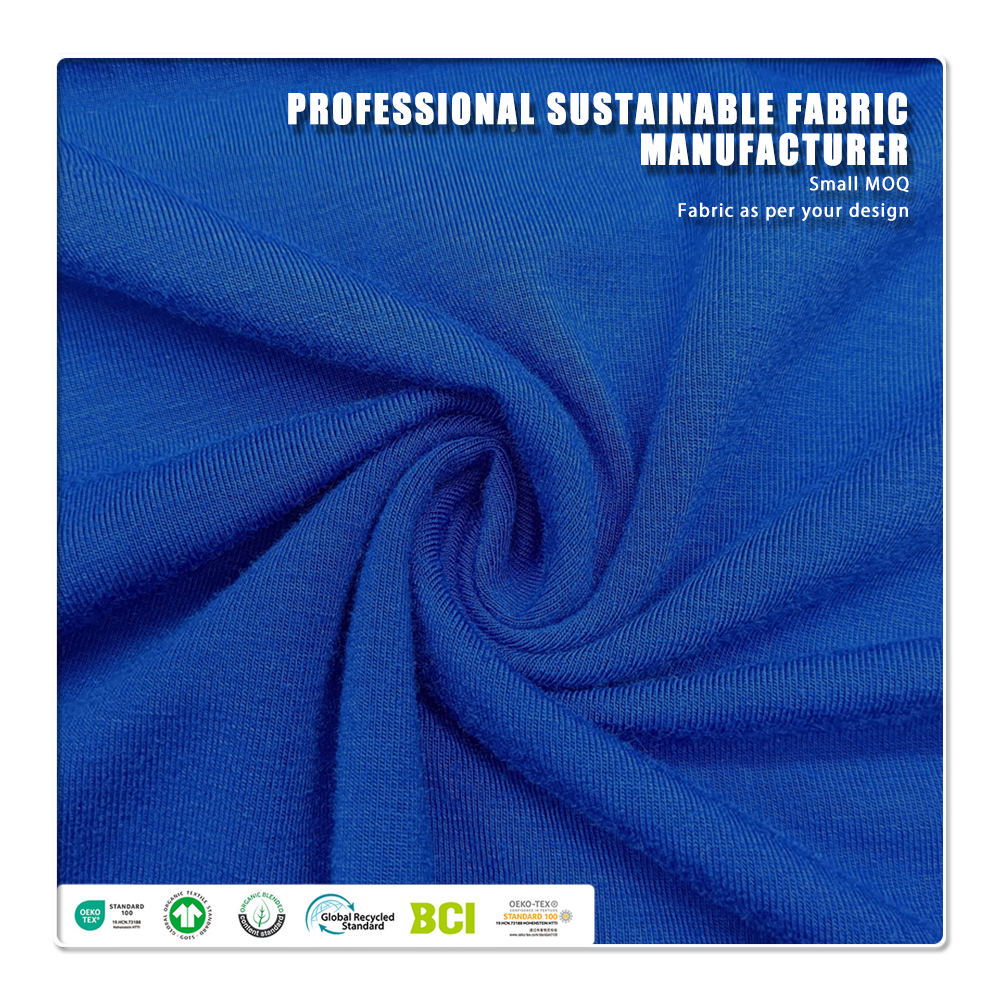
Cost Factors to Consider for Bulk Orders of Biodegradable Cotton

Biodegradable cotton cloth finds applications across multiple sectors, driven by its eco-friendly nature and versatility: 

Fashion and Apparel: The fashion industry increasingly embraces sustainable materials. Biodegradable cotton cloth is ideal for clothing lines focused on sustainable practices, allowing brands to appeal to environmentally conscious consumers. 

Home Textiles: Products such as bed linens, curtains, and upholstery can benefit from the soft feel and natural breathability of biodegradable cotton. These textiles can enhance indoor air quality and contribute to a healthier living environment. 

Medical and Hygiene Products: Biodegradable cotton is suitable for items like medical gauze, sanitary products, and wipes. Its hypoallergenic properties make it safe for direct contact with skin, which is crucial for healthcare applications. 

Industrial Uses: In industrial settings, Ohyeah biodegradable cotton cloth can be used for protective clothing, reusable bags, or packaging materials. Its durability and biodegradability make it a suitable choice for companies aiming to reduce plastic waste. 

Craft and DIY Projects: The fabric is also popular among crafters and hobbyists for its ease of use and environmental benefits. This includes applications in quilting, sewing, and other creative endeavors.

Common Installation Issues with Biodegradable Cotton Cloth and Solutions

Despite its benefits, biodegradable cotton cloth may present specific challenges during production and use. Here are some common issues and solutions: 

Quality Variability: Variability in fiber quality can lead to inconsistencies in finished products. Working with a reputable supplier, like Shaoxing City Ohyeah Textile Co., Ltd., ensures quality control measures are in place, including regular testing and inspections. 

Limited Resistance to Stains: Biodegradable cotton may not have the same stain resistance as synthetic fabrics. Buyers should consider applying eco-friendly treatments that enhance stain resistance without compromising biodegradability. 

Water Absorption and Drying Time: Cotton's natural absorbency can lead to longer drying times. For applications where quick drying is essential, blending biodegradable cotton with moisture-wicking materials can provide a solution. 

Cost Management: The higher cost of biodegradable cotton can deter some buyers. To mitigate this, purchasing in bulk and exploring potential partnerships with manufacturers can lead to better pricing structures. 

Biodegradation Conditions: The biodegradation process relies on specific environmental conditions (e. g., moisture, temperature). Providing clear guidelines on disposal methods can help end-users ensure proper biodegradation and fulfill sustainability goals.

Choosing the Right Biodegradable Cotton Cloth for Your Project Needs

When considering biodegradable cotton cloth, it's important to compare it to other eco-friendly materials to evaluate the best fit for your needs: 

Bamboo Fabric: Bamboo is a rapidly renewable resource and has antibacterial properties. However, the processing methods can impact its environmental friendliness. Biodegradable cotton may provide a softer texture suitable for apparel, while bamboo excels in moisture-wicking applications. 

Recycled Polyester: While recycled polyester is more sustainable than virgin polyester, it is not biodegradable. For applications focused on end-of-life sustainability, biodegradable organic cotton clothes are the superior choice. 

Hemp Fabric: Hemp is another sustainable option, known for its durability and resistance to pests. However, it may not be as soft as cotton, making it less ideal for certain applications like apparel where a softer feel is preferred. 

Tencel (Lyocell): Made from sustainably sourced wood pulp, Tencel is biodegradable and known for its softness and breathability. However, it typically falls into a higher price range compared to biodegradable cotton, which may influence purchasing decisions for budget-conscious buyers. 

Organic Linen: Linen, made from flax, is another eco-friendly option. It is highly durable but can be more expensive and may require special care. Cotton offers a balance of softness and durability, making it versatile across various applications. 

Understanding these comparisons allows buyers to make informed decisions based on specific application requirements, cost considerations, and sustainability goals.

Key Features to Know

When evaluating biodegradable cotton cloth, several key specifications are critical to ensure it meets your application needs. 

Material Composition: Biodegradable cotton cloth is typically made from organic cotton, which is cultivated without synthetic fertilizers or pesticides, making it a sustainable choice. Understanding the percentage of organic content is essential, as higher percentages often signify better eco-friendliness. 

Weight and Thickness: The weight of the fabric is usually measured in grams per square meter (GSM). Depending on the intended use—whether for apparel, home textiles, or industrial applications—the required GSM can vary significantly. For example, lighter fabrics may be suitable for clothing, while heavier weights are ideal for durable goods. 

Color Fastness and Shrinkage: A color fastness rating of 4-5 indicates that the fabric holds color well under washing and exposure to light. Additionally, ensuring the shrinkage rate is below 5% is crucial to maintain product integrity after laundering, especially for garments and home textiles. 

Certifications: Look for certifications such as OEKO-TEX, GOTS, and OCS. These certifications indicate compliance with environmental standards and assure product safety and sustainability. 

Biodegradability: While all cotton is biodegradable, the rate can vary based on the treatment and processing of the fabric. Buyers should confirm the biodegradability timeframe and conditions to ensure it aligns with their sustainability goals.

Our Blog Posts

How to print on bamboo fabric

04

Feb

How to print on bamboo fabric

I am aware that the bamboo fabric is fast gaining popularity in the fashion as well as the home textile business and it has earned an incredible softness, natural sheen and excellent environmental attributes. Shaoxing City Ohyeah Textile Co., Ltd. ha...
View More
How Tencel Lyocell Fabric Enhances Premium Knitwear Comfort

29

May

How Tencel Lyocell Fabric Enhances Premium Knitwear Comfort

Comfort is never a luxury when it comes to premium knitwear. It is an absolute must. The conscious consumer today demands soft comfort lasts,breathability that performs,and a clear conscience behind the fabric. Tencel Lyocell has been revolution...
View More
What Makes Tencel Modal Suitable for Comfortable Knitwear Production

29

May

What Makes Tencel Modal Suitable for Comfortable Knitwear Production

Comfortable knitwear does not happen by accident. The right fiber, the right manufacturing processes, and an awareness of how fabrics feel against the skin must all come together. For knitwear manufacturers who are serious about c...
View More
Why Tencel Lyocell Fabric Supports High-End Apparel Production

29

May

Why Tencel Lyocell Fabric Supports High-End Apparel Production

High-end garments require a special quality that goes beyond price. They offer exquisite hand-feel,flawless drape,consistent quality,and a story that appeals to sophisticated consumers. When a manufacturer or brand intends to succeed in the high-end ...
View More

Get a Free Quote

Our representative will contact you soon.
Email
Name
Mobile/WhatsApp
Company Name
Message
0/1000

Get a Free Quote

Our representative will contact you soon.
Email
Name
Mobile/WhatsApp
Company Name
Message
0/1000