EN
Modal dress materials are gaining popularity in the fashion industry due to their softness, breathability, and eco-friendly production processes. Sourcing high-quality modal fabrics can be a complex task for purchasing managers, designers, and manufacturers, as they must consider various specifications, quality requirements, and supplier reliability. This article aims to provide practical guidance on key specifications, selection criteria, quality evaluation, supplier sourcing, and common challenges associated with modal dress materials, helping you make informed purchasing decisions.
How to Choose the Right Modal Fabric for Your Projects
Selecting the right modal fabric involves several considerations to ensure it meets your specific project needs. Start by determining the intended use of the fabric. For instance, a lightweight, breathable modal may be suitable for casual wear, while a heavier option may be required for more structured designs.
Next, consider the end-users' comfort and functionality. Modal offers excellent moisture-wicking and breathability, making it an excellent choice for activewear or summer clothing. If the garment is intended for children or sensitive skin, opting for bamboo lyocell can enhance safety and comfort.
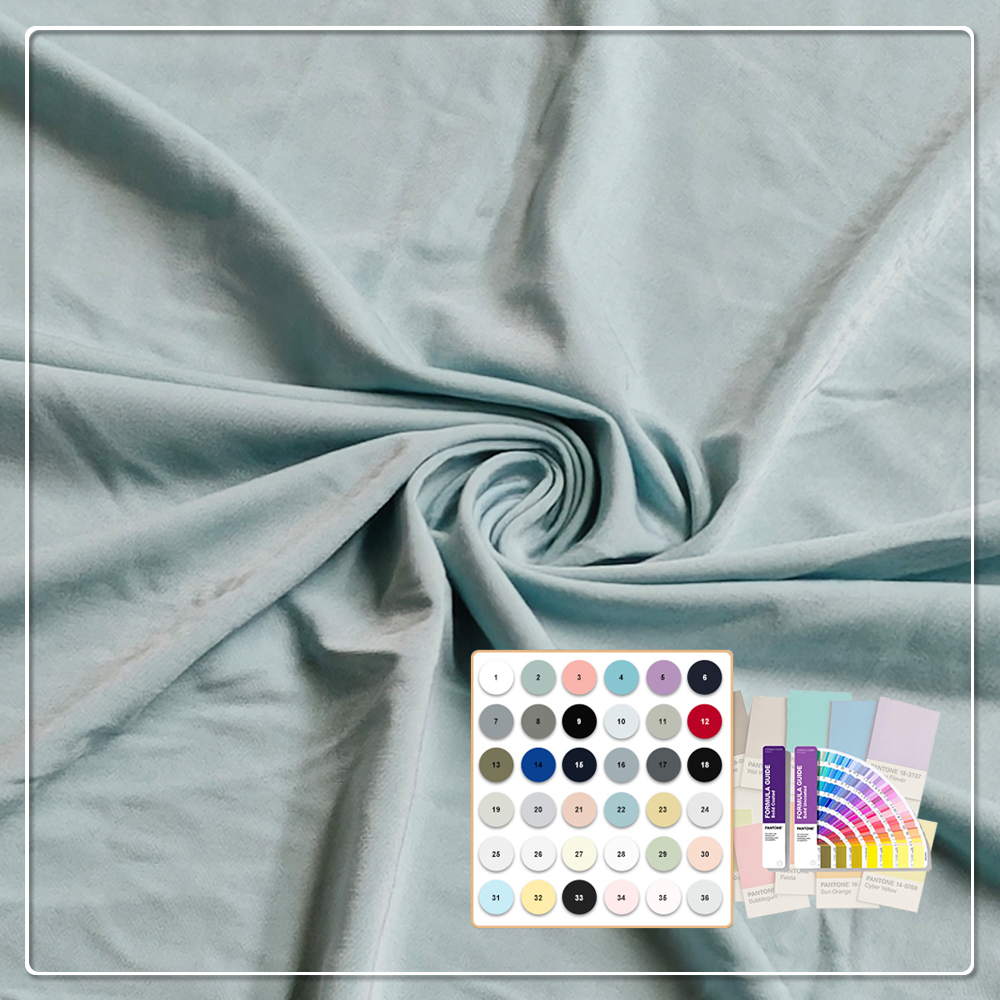
Customization options are also important. Many suppliers, including Shaoxing City Ohyeah Textile Co., Ltd., offer custom color matching and pattern designs. Ensure you discuss these options during the sourcing process to create unique products that meet your brand’s identity.
Finally, evaluate the supplier’s production capabilities, including lead times and minimum order quantities (MOQ). This can significantly impact your project timeline and budget.