EN
Lyocell fabric is an innovative textile made from sustainably sourced wood pulp, offering a natural alternative to synthetic fibers. As eco-consciousness grows among consumers and companies alike, understanding the key specifications and sourcing considerations for lyocell fabric becomes essential for purchasing managers and product developers. This article will address common buyer concerns, including quality evaluation, comparison, sourcing strategies, potential issues, and cost factors associated with bulk orders of lyocell fabric.
How to Compare Lyocell Fabric Options for Your Project Needs
When faced with various lyocell fabric options, a structured comparison process is essential. Here are steps to help in the evaluation:
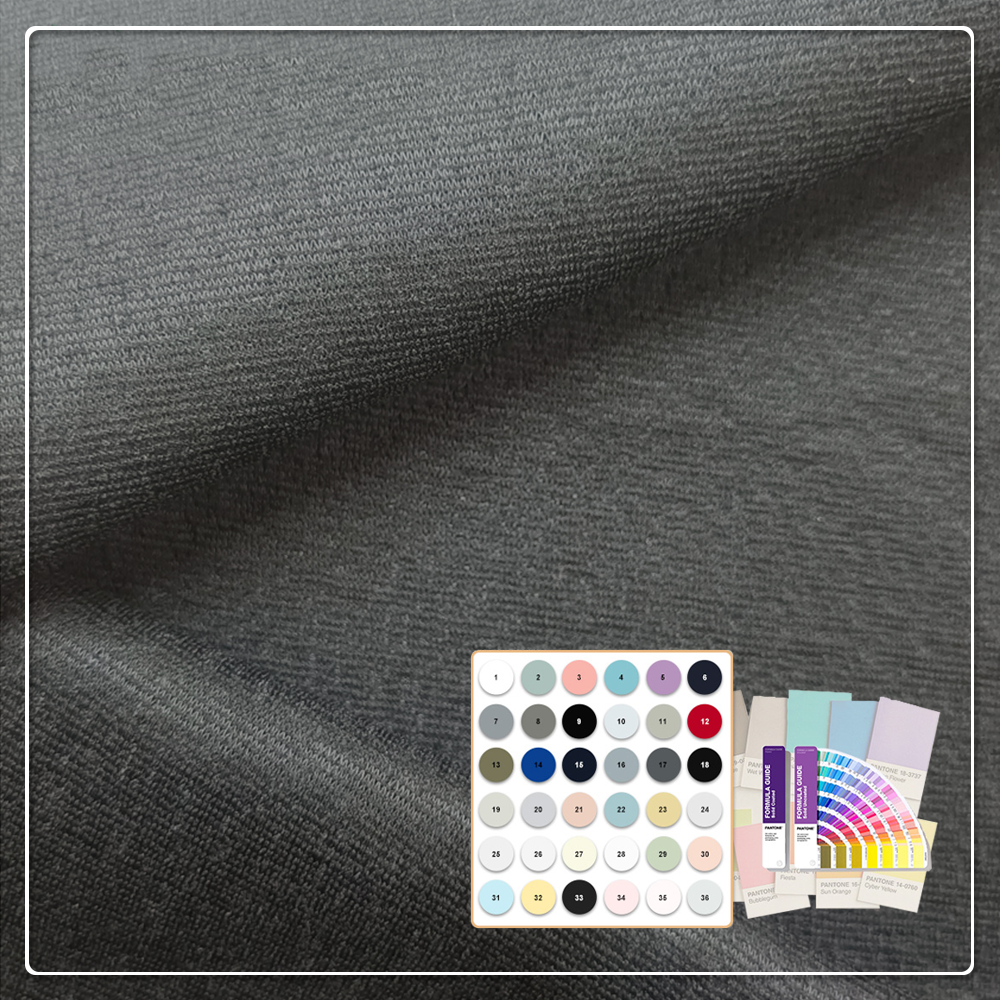
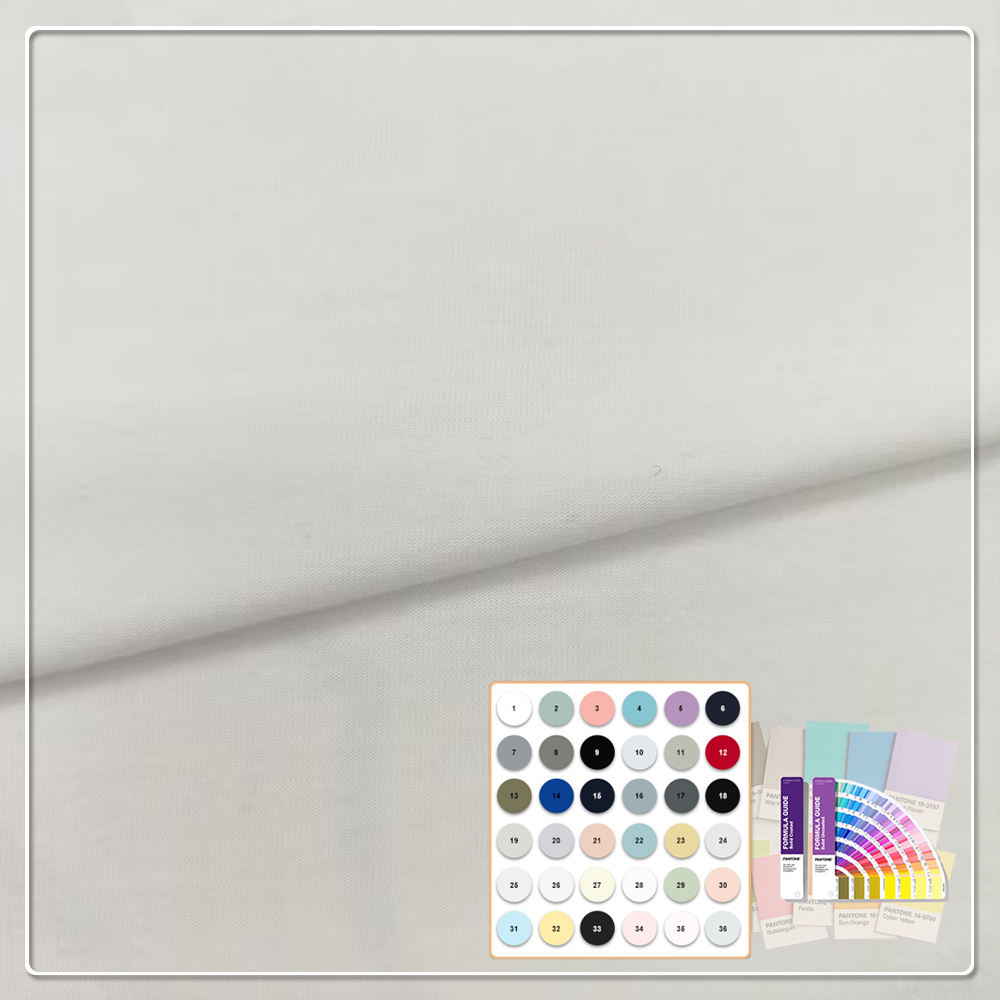
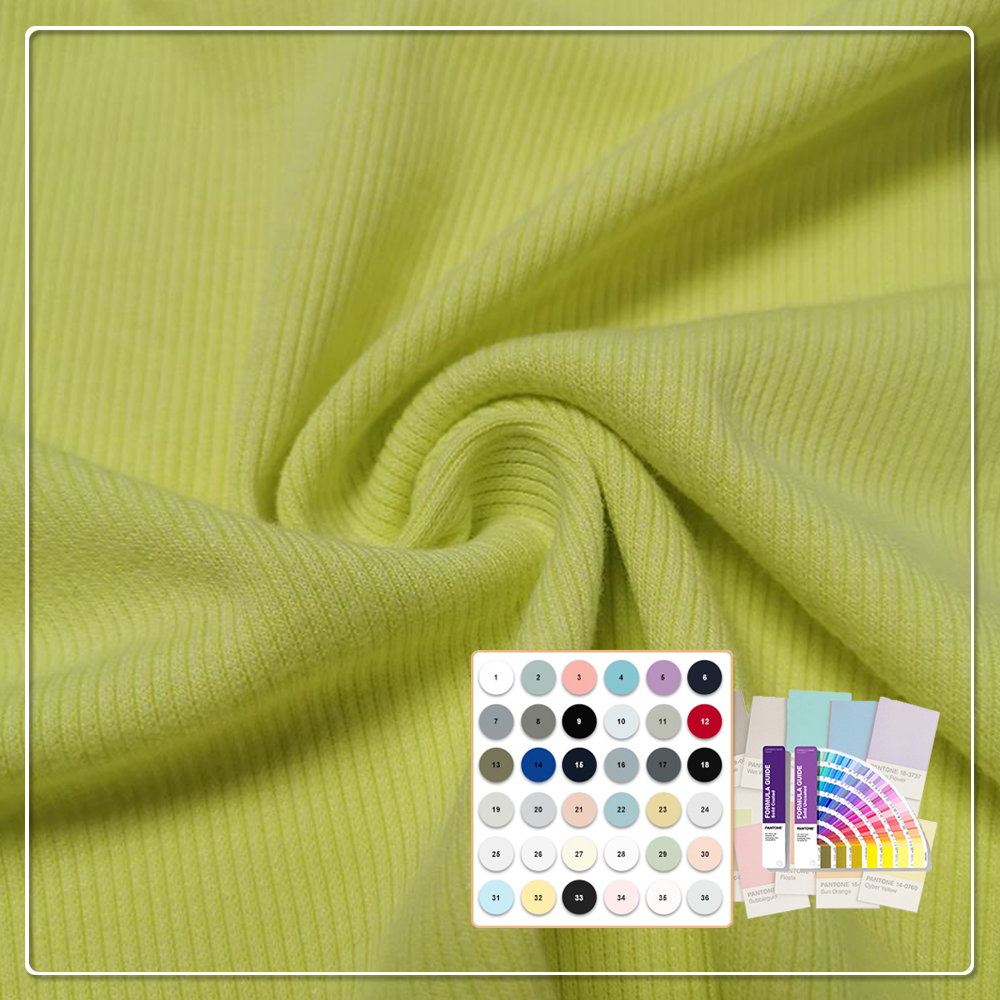
Request Samples: Always ask for samples before placing a bulk order. This helps assess the fabric's texture, weight, and overall quality. Ensure that samples reflect the final production dyeing and finishing processes.
Analyze Technical Data Sheets: Review technical data sheets provided by manufacturers to compare specifications side by side. Look for critical data such as tensile strength, elongation at break, and care instructions.
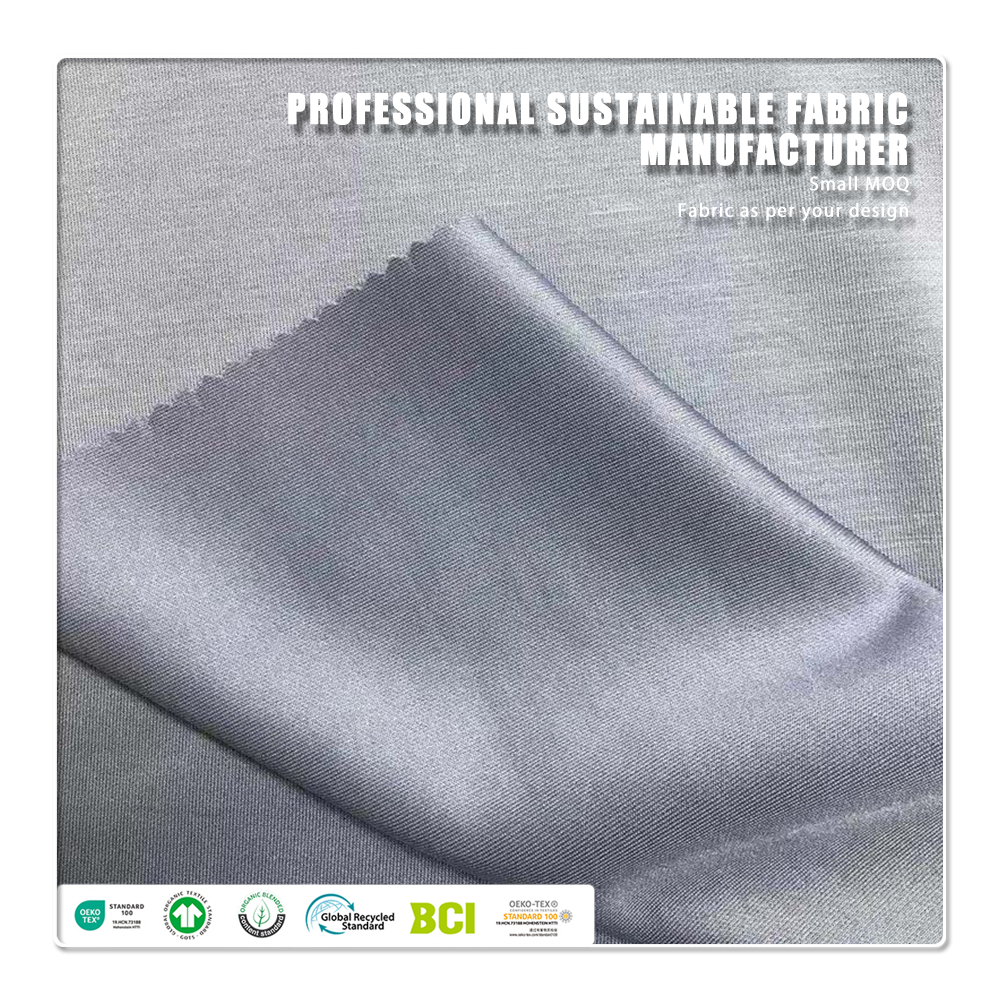
Evaluate Supplier Certifications: Verify that suppliers possess relevant certifications such as OEKO-TEX, GOTS, or GRS. These certifications indicate compliance with environmental and social standards, enhancing the fabric's credibility.
Consider Customization Options: Some manufacturers may offer customized solutions, such as specific blends or treatments. Assess whether these options align with your project requirements and whether they affect cost and lead time.
Market Feedback: If possible, gather feedback from industry peers or customer reviews regarding the performance of the fabric in real-world applications. This can provide insights into durability and user satisfaction.
By systematically comparing options, buyers can select lyocell fabrics that best meet their specific project needs.